The United States is moving decisively to dismantle Cuba's communist government, abandoning earlier approaches that relied on sanctions and economic pressure. The Trump administration is now exploring more aggressive options, including legal and military measures reminiscent of those used against Venezuela's Nicolás Maduro.
Officials are preparing an indictment against Raul Castro for his role in the 1996 downing of two aircraft operated by the Miami-based humanitarian group Brothers to the Rescue. This legal move is not merely symbolic; it could pave the way for Castro's extradition to face U.S. courts, echoing the strategy that targeted Maduro.
Acting National Security Advisor and Secretary of State Marco Rubio has dismissed the possibility of economic reforms under the current regime. "We'll give them a chance. But I don't think it's going to happen," Rubio stated. "I don't think we are going to be able to change the trajectory of Cuba as long as these people are in charge."
During a congressional hearing, Defense Secretary Pete Hegseth labeled Cuba a threat to U.S. national security. Meanwhile, CIA Director John Ratcliffe, during a visit to Havana, warned that Cuba "can no longer be a safe haven for adversaries" of the United States. These statements signal a unified front among top officials.
The regime in Havana has responded to mounting pressure with increased repression, including arrests of 1,260 individuals, among them 35 minors. In response, the Treasury Department this Monday imposed new sanctions on key figures, including National Assembly President Esteban Lazo, Justice Minister Rosabel Gamon Verde, Energy Minister Vicente de la O Levy, the General Directorate of Intelligence, three generals, and a member of the Communist Party's Central Committee.
Rubio emphasized that the administration is acting to protect national security and hold accountable those responsible for repressing the Cuban people. The sanctions aim to cut off the regime's access to illicit assets.
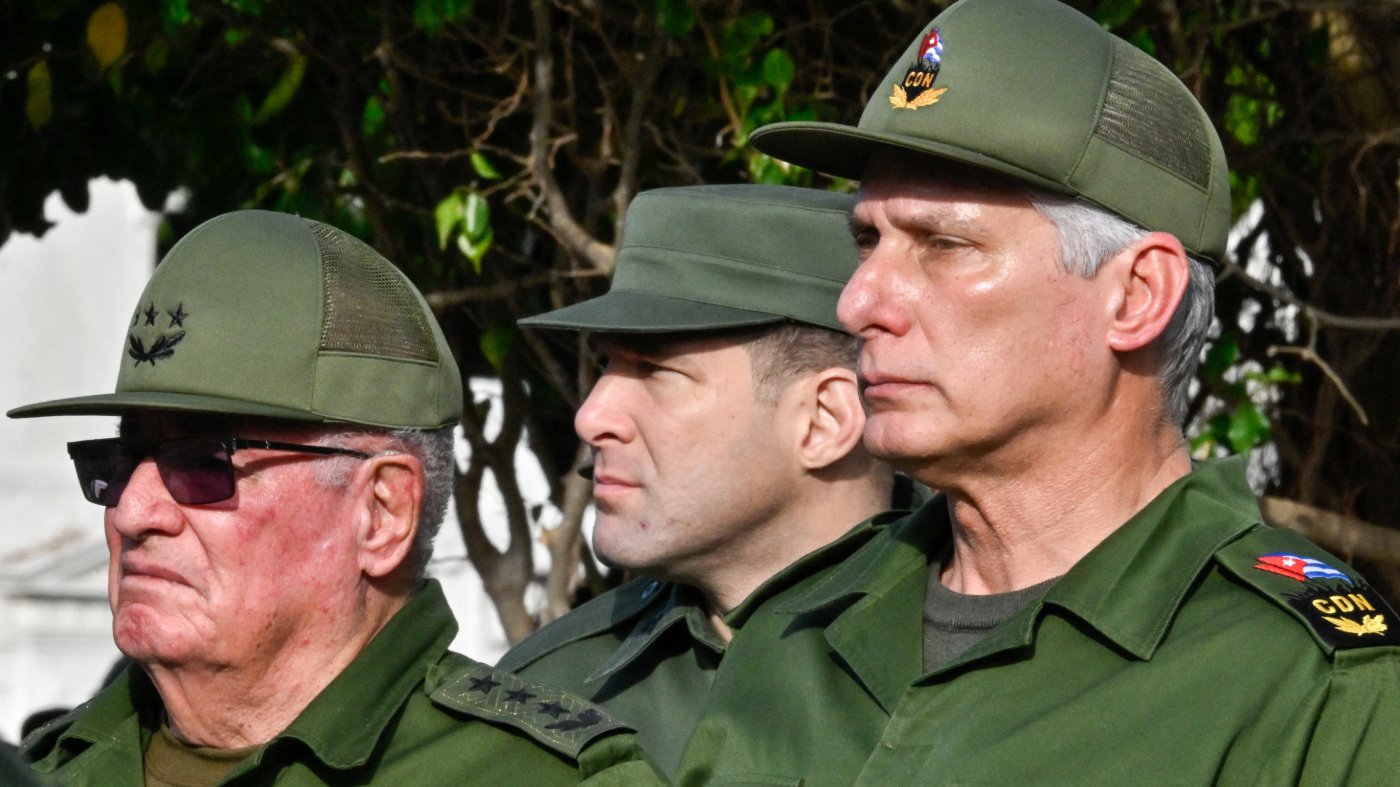
Havana is attempting to project strength, with President Miguel Diaz-Canel decrying "multidimensional aggression" from the U.S. and warning that any military action would provoke a costly conflict. Reports suggest Cuba possesses 300 military drones and has discussed attacking Guantanamo Bay, U.S. naval vessels, and even Key West, Florida.
The U.S. is steadily increasing pressure, and the prospect of a limited military operation is growing. Such an operation would not be a repeat of the Bay of Pigs but rather a focused effort to destroy spy bases or extract high-ranking officials. May 20, Cuban Independence Day, has been floated as a potential date for action, symbolizing a break from 67 years of communist rule.
This evolving situation is being closely watched by political analysts, as the administration's hardline stance could reshape U.S.-Cuba relations and impact regional stability. For more on the administration's broader strategy, see our coverage of the signals pointing to an imminent end for Cuba's regime.