The Trump administration is accelerating efforts to end communist rule in Cuba, with a series of military, diplomatic, and economic moves that signal regime change is no longer a distant prospect but an imminent reality. Recent U.S. actions, including a strategic exercise in Key West, Florida, and numerous intelligence-gathering flights near the island, suggest that a free Havana could be on the horizon.
On May 20, Cuba marks its Independence Day, a date with historic U.S. involvement. Analysts now see this as a potential milestone for the end of 67 years of Castro family control. The U.S. military conducted a high-profile exercise in Key West, showcasing the Southcom Autonomous Warfare Command, which uses cost-effective unmanned systems to counter threats across the Americas. This demonstration, held just miles from Cuba, was a clear message to the regime.
Since February, at least 25 intelligence-gathering flights have been conducted off Cuba's coast, according to CNN, using drones and aircraft for surveillance and signals intelligence. These operations, combined with President Trump's explicit statements, underscore the administration's intent. Trump has said that after action on Iran, the aircraft carrier USS Abraham Lincoln could be deployed near Cuba as a deterrent against the dictatorship.
In January, Trump shared a Fox News prediction on Truth Social that he would visit a “Free Havana” before the end of his second term. The U.S. government has also declared Cuba an “unusual and extraordinary threat” to national security, expanding sanctions against the regime and targeting GAESA, the military-controlled business empire.
Secretary of State Marco Rubio has been blunt about the need for political change. “Cuba’s economy needs to change, and their economy can’t change unless their system of government changes,” Rubio said in a press conference. “Who’s going to invest billions of dollars in a communist country run by incompetent communists?”
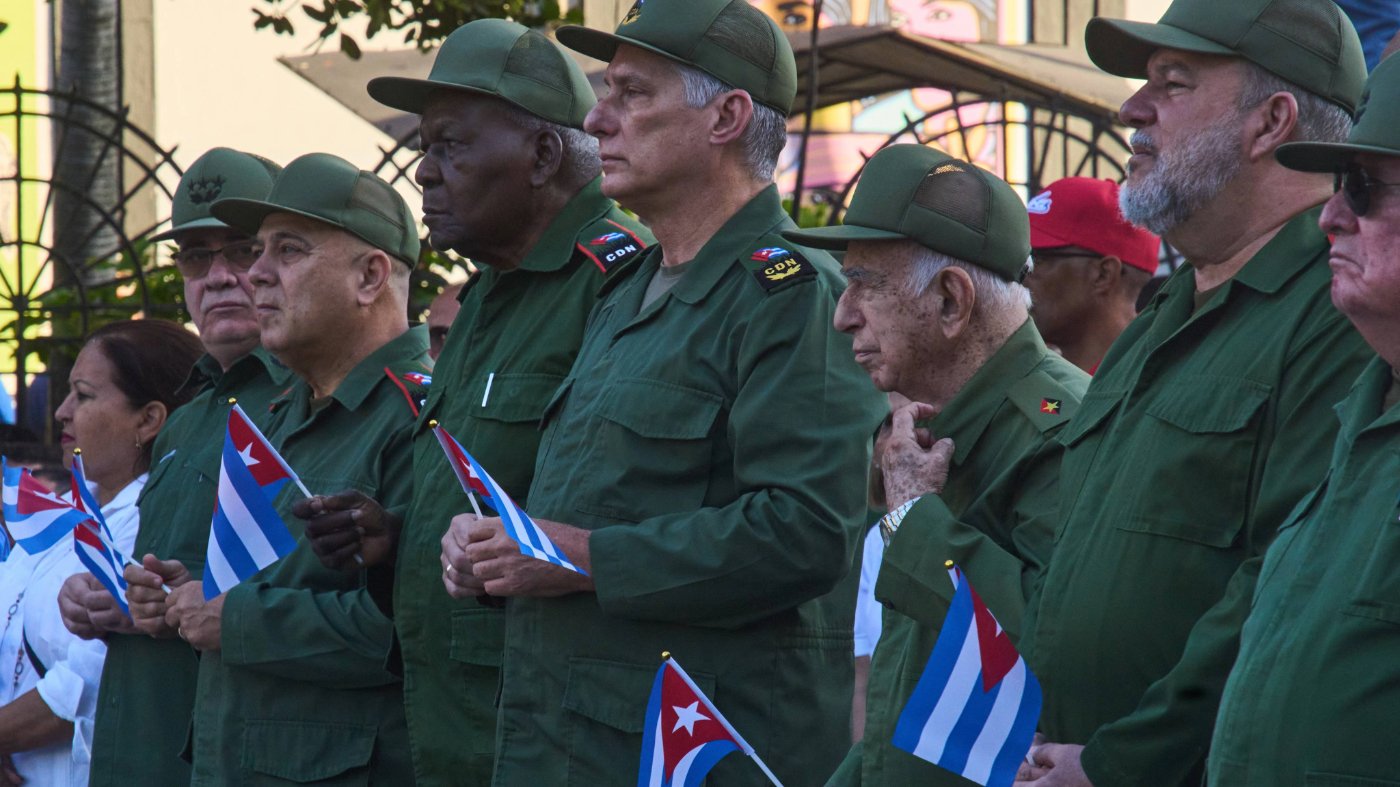
The Cuban dictatorship, isolated and panicked, has responded by mobilizing military training among citizens and escalating repression. A campaign urging Cubans to sign a loyalty pledge to the Castro family reflects the regime's fear of the people's disdain. Meanwhile, a recent leftist summit in Barcelona aimed at defending the regime failed, with only Brazil, Mexico, and Spain signing a declaration to halt change.
The integration of unmanned systems, sanctions, and Trump’s rhetoric all point to a coordinated push. As Rubio accused Cuba of rejecting $100 million in aid, the regime's denial only underscores its desperation. The U.S. appears ready to help Cubans achieve their liberation day, with the fall of the Castro regime drawing ever closer.