VATICAN CITY — Pope Leo XIV will unveil his first encyclical, Magnifica Humanitas (Magnificent Humanity), on May 25, a document addressing human dignity in the age of artificial intelligence, the Vatican confirmed Monday. The launch will feature an unusual collaboration: Christopher Olah, co-founder of AI safety-focused firm Anthropic, will join the event as a lay speaker.
The choice of Olah is significant given Anthropic’s ongoing legal battle with the Trump administration. In February, the White House ordered all federal agencies to halt use of Anthropic’s technology, citing the company’s refusal to grant the U.S. military unrestricted access to its AI systems. Anthropic has since sued the administration, alleging illegal retaliation for its efforts to impose ethical boundaries on AI deployment.
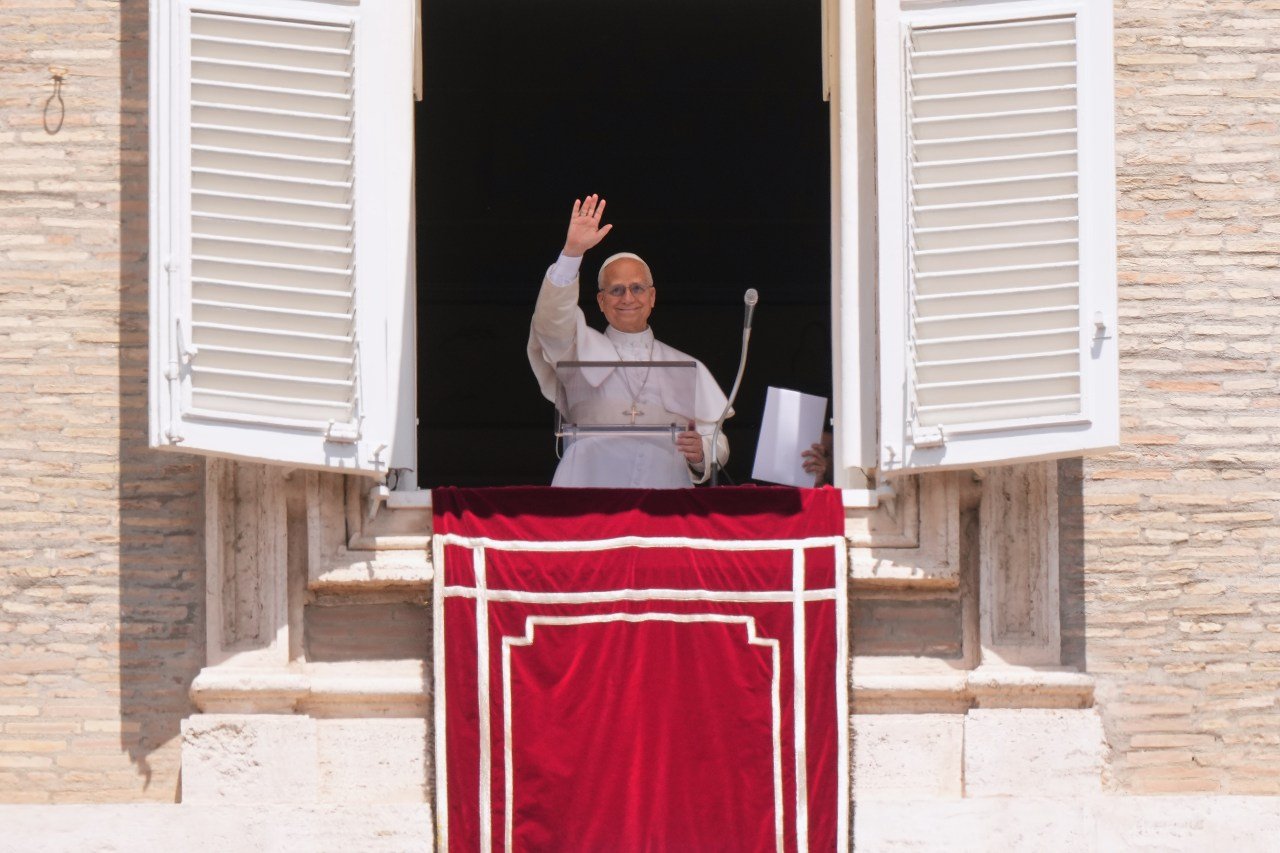
The pope, who has prioritized AI policy since his election, has expressed deep concern over the use of AI in warfare and called for international oversight. His presence at the encyclical’s launch—rather than a typical Vatican press room briefing—underscores the document’s weight. The event will be held in the main Vatican auditorium, with top cardinals Víctor Manuel Fernández and Michael Czerny as lead presenters, alongside theologians Anna Rowlands and Leocadie Lushombo. Cardinal Secretary of State Pietro Parolin will deliver closing remarks, and Leo will offer a speech and final blessing.
Leo signed the encyclical on May 15, exactly 135 years after Pope Leo XIII issued Rerum Novarum, the landmark document on workers’ rights and capitalism amid the Industrial Revolution. The new pope has framed the AI revolution as posing existential questions similar to those of that earlier era, positioning Magnifica Humanitas as a continuation of Catholic social teaching on labor, justice, and peace.
Anthropic, co-founded by Dario Amodei after a split from OpenAI over safety disagreements, has positioned itself as a leader in responsible AI development. The company’s valuation recently hit $380 billion, placing it alongside rivals like OpenAI and Elon Musk’s SpaceX, which merged with xAI. Anthropic’s involvement with the Vatican comes as the White House reversed course on AI vetting following the release of Anthropic’s Mythos model, a move that sparked debate over federal oversight.
The encyclical is expected to draw heavily on Catholic social teaching, addressing AI’s impact on labor markets, justice, and global peace. The Vatican’s decision to include a tech executive in the launch signals a strategic outreach to the industry, even as tensions with Washington simmer. Separately, the House Homeland Security Committee is set to hold a closed briefing on Anthropic’s Mythos model, highlighting the growing scrutiny of AI firms.
Anthropic has warned that the U.S.-China AI race poses risks if authoritarian regimes gain control of advanced technology, urging democratic allies to maintain leadership and impose norms. The company’s stance aligns with Leo’s call for ethical guardrails, but it puts the pope on a collision course with the Trump administration’s push for military AI dominance.
The May 25 launch is expected to draw global attention, with the Vatican betting that the encyclical will shape the debate over AI governance much as Rerum Novarum influenced labor rights. For now, the alliance between the pope and an AI safety advocate underscores how the technology is becoming a central political and moral battleground.