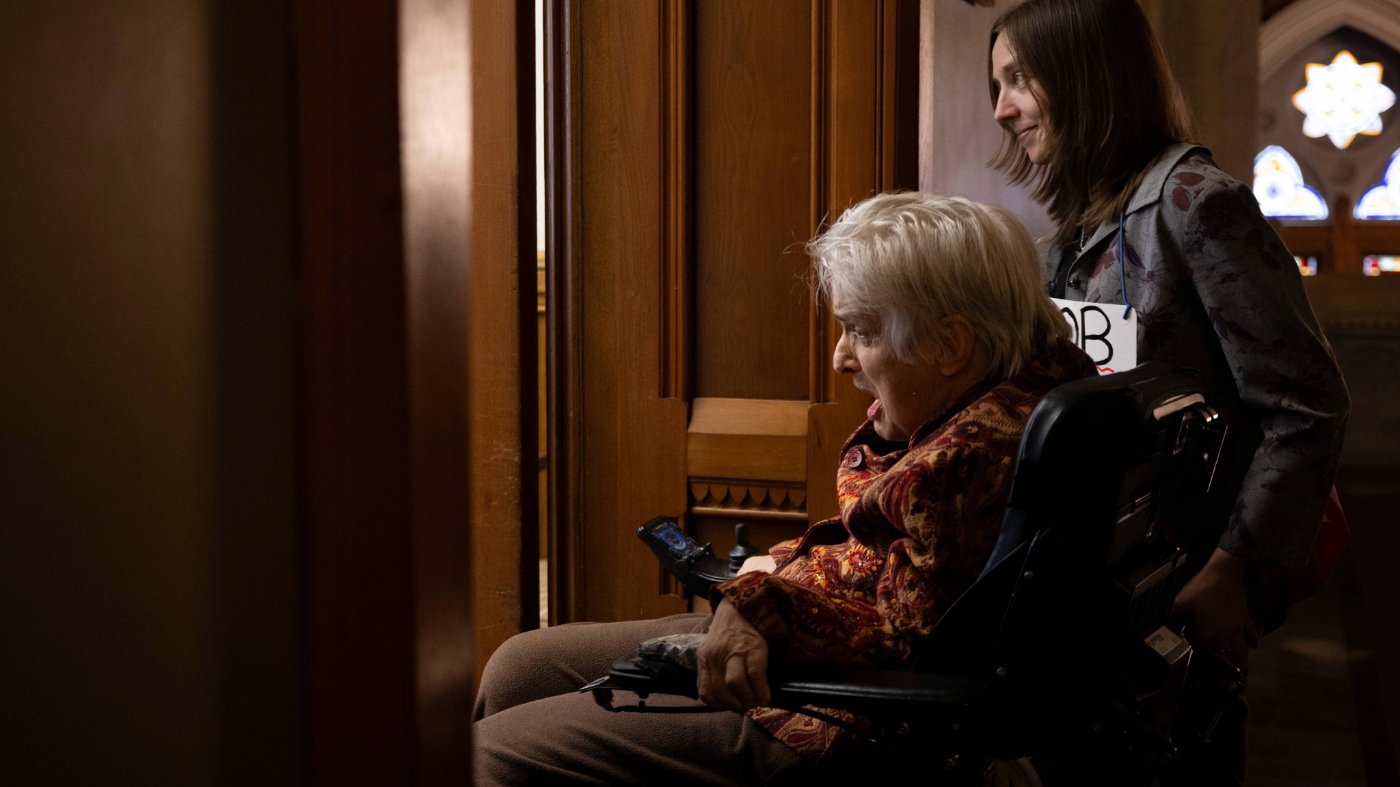
Across the United States, a quiet crisis is unfolding in home and community-based care. Professional caregivers—known as direct support professionals—provide essential services to older adults, people with disabilities, and those with intellectual and developmental disabilities, enabling them to live in their homes rather than costly institutions. But this workforce is buckling under pressure.
Staffing Shortages and Waiting Lists
In 2025, 88% of community-based providers reported moderate or severe staffing challenges, and more than six in ten had to turn away new referrals. Meanwhile, over 550,000 people with intellectual and developmental disabilities remain on state waiting lists for services, often for years or decades. The system is already strained, and new threats from Washington could make matters worse.

Administration and congressional actions aimed at cutting waste, fraud, and abuse in Medicaid have been so broadly applied that they risk destabilizing the entire home and community-based care system. While targeting fraud is a worthy goal, blunt cuts harm families who rely on these services and the caregivers who provide them. Most Medicaid home care is delivered through optional service categories that states are not required to fund, making it vulnerable to reductions.
Economic Stakes and Workforce Impact
The timing couldn't be worse. When the caregiving workforce shrinks, family members are forced to leave jobs to fill gaps, hurting employers and the broader economy. In 2023, federal and state governments spent $67 billion on Medicaid-funded home and community-based services for people with intellectual and developmental disabilities. That investment generated $169 billion in economic output—a return of $1.50 for every dollar spent.
Cutting these services doesn't save money. Supporting a person with an intellectual or developmental disability at home costs an average of $70,000 per year, compared to $395,000 in a state-run institution. Reducing access to community-based care simply shifts costs to hospitals and other restrictive settings, which are far more expensive. It also violates the principle that people with disabilities should receive services in the most integrated setting appropriate to their needs.
Bipartisan Solutions Needed
The answer, advocates argue, is not to weaken these supports but to strengthen them. Organizations like ANCOR, Easterseals, and United Cerebral Palsy are ready to work with policymakers to ensure Medicaid dollars reach the right people. But broad funding cuts that destabilize the caregiving workforce will only exacerbate problems Congress has tried to solve in a bipartisan manner.
Congress faces a similar challenge in supporting veteran caregivers, another group facing systemic strain. And as workforce cuts threaten other critical services, the need for targeted investment becomes even more urgent.
Barbara Merrill, CEO of ANCOR, Kendra Davenport, president and CEO of Easterseals, and Diane Wilush, interim president and CEO of United Cerebral Palsy, jointly call on Congress and states to reject further Medicaid reductions and instead invest in community-based services and the workforce that supports them.