California often sets trends in entertainment, tech, and policy, but its approach to statewide elections has become a cautionary tale. The state's top-two primary system—colloquially known as the "jungle primary"—is now in full swing for the gubernatorial race, and critics argue it has devolved into a chaotic free-for-all that undermines democratic order.
Under this system, all candidates, regardless of party affiliation, appear on the same primary ballot. The two candidates who receive the most votes, irrespective of party, advance to the general election. This year, voters face a staggering 61 choices: 24 Democrats, 23 with no party preference, 12 Republicans, one Libertarian, and one Peace and Freedom candidate. Among them is a candidate listed as "Barack D. Obama Shaw," highlighting the potential for obscurity to prevail.
Democratic Disarray
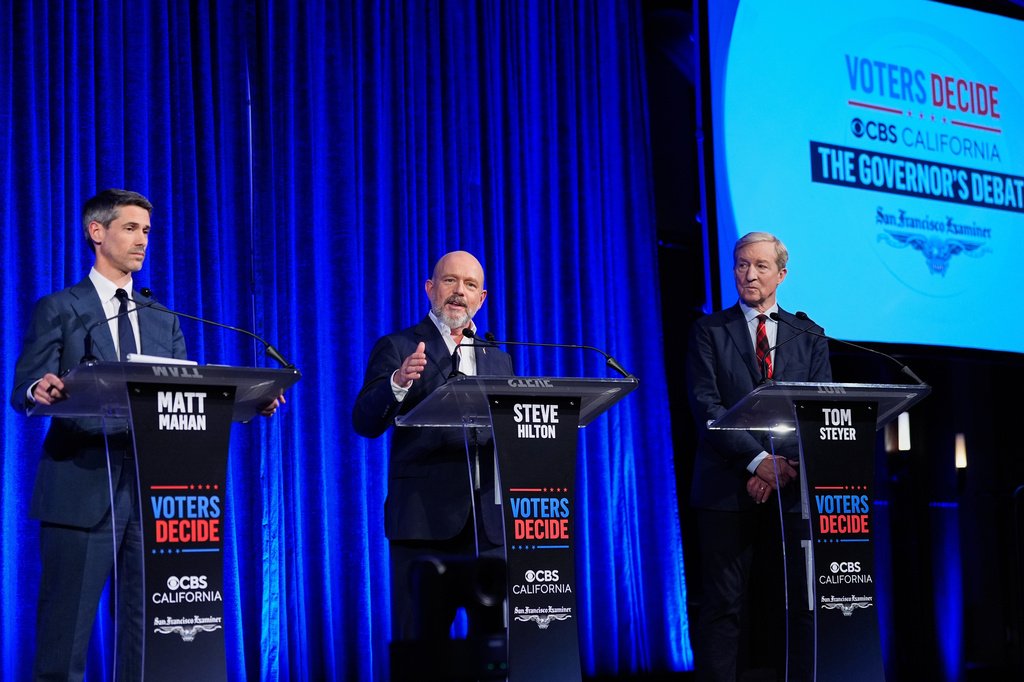
The Democratic Party, which holds nearly a 2-to-1 registration advantage over Republicans, initially panicked at the prospect of splitting the vote so badly that two Republicans could make the November ballot. State party leaders begged lesser-known Democrats to drop out, but to no avail. Ironically, President Trump's endorsement of Republican Steve Hilton may have rescued Democrats by consolidating Republican support behind one candidate, likely setting up a November showdown between Hilton and the top Democrat.
That top Democrat remains uncertain. The party's preferred candidate, former Vice President Kamala Harris, opted not to run. Senator Alex Padilla also declined. The remaining field includes former Los Angeles Mayor Antonio Villaraigosa, former state Controller Betty Yee, state Superintendent Tony Thurmond, former HHS Secretary Xavier Becerra, former Representative Eric Swalwell, San Jose Mayor Matt Mahan, businessman Tom Steyer, and former Representative Katie Porter. Swalwell briefly led before dropping out amid sexual harassment allegations; Yee exited due to low polls. Now, Becerra, with his extensive experience as a state assemblyman, congressman, Cabinet secretary, and attorney general, holds a slim lead.
Bipartisan Backlash
Neither major party has benefited from the jungle primary, and independent parties find it even more challenging. The system was adopted in 2010 as a budget compromise, but critics say it has only sown confusion. Efforts are already underway to place a repeal initiative on the 2028 ballot, aiming to restore a traditional primary system used by most states.
This electoral chaos echoes broader national trends, as seen in other contested primaries. For instance, in Kentucky, Representative Thomas Massie is battling both Trump's wrath and significant spending in a GOP primary, while Senator Chris Coons has endorsed Haley Stevens in a tight Michigan Democratic primary. California's situation, however, stands out for its scale.
As Bill Press, host of "The Bill Press Pod," notes, the jungle primary is a "failed experiment" that belongs in the jungle, not in civilized democracy. The big loser this year may be the system itself.