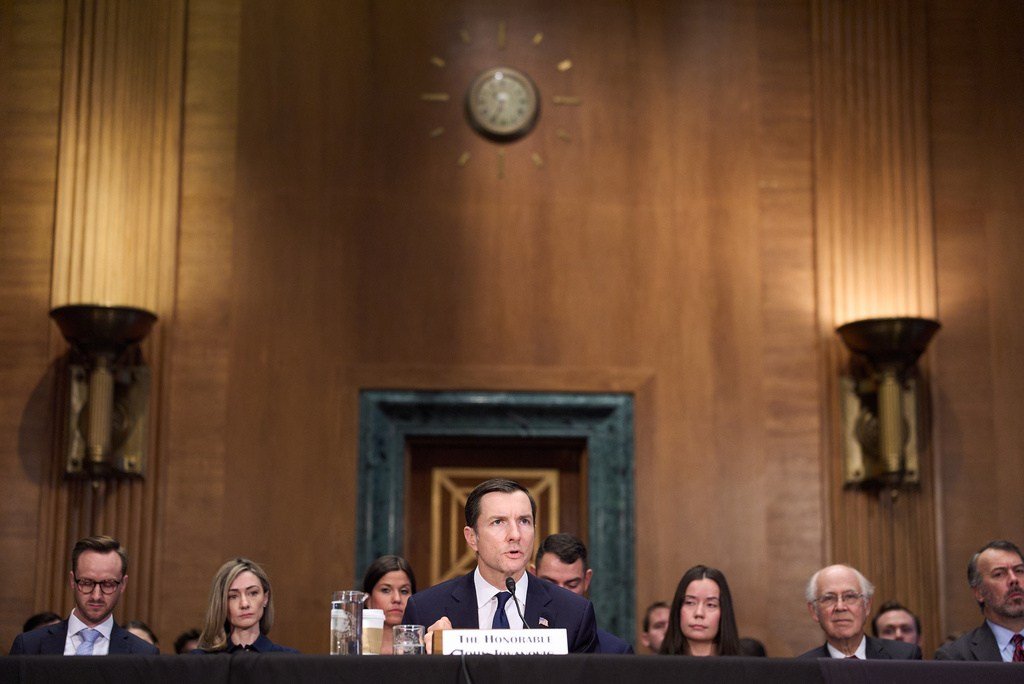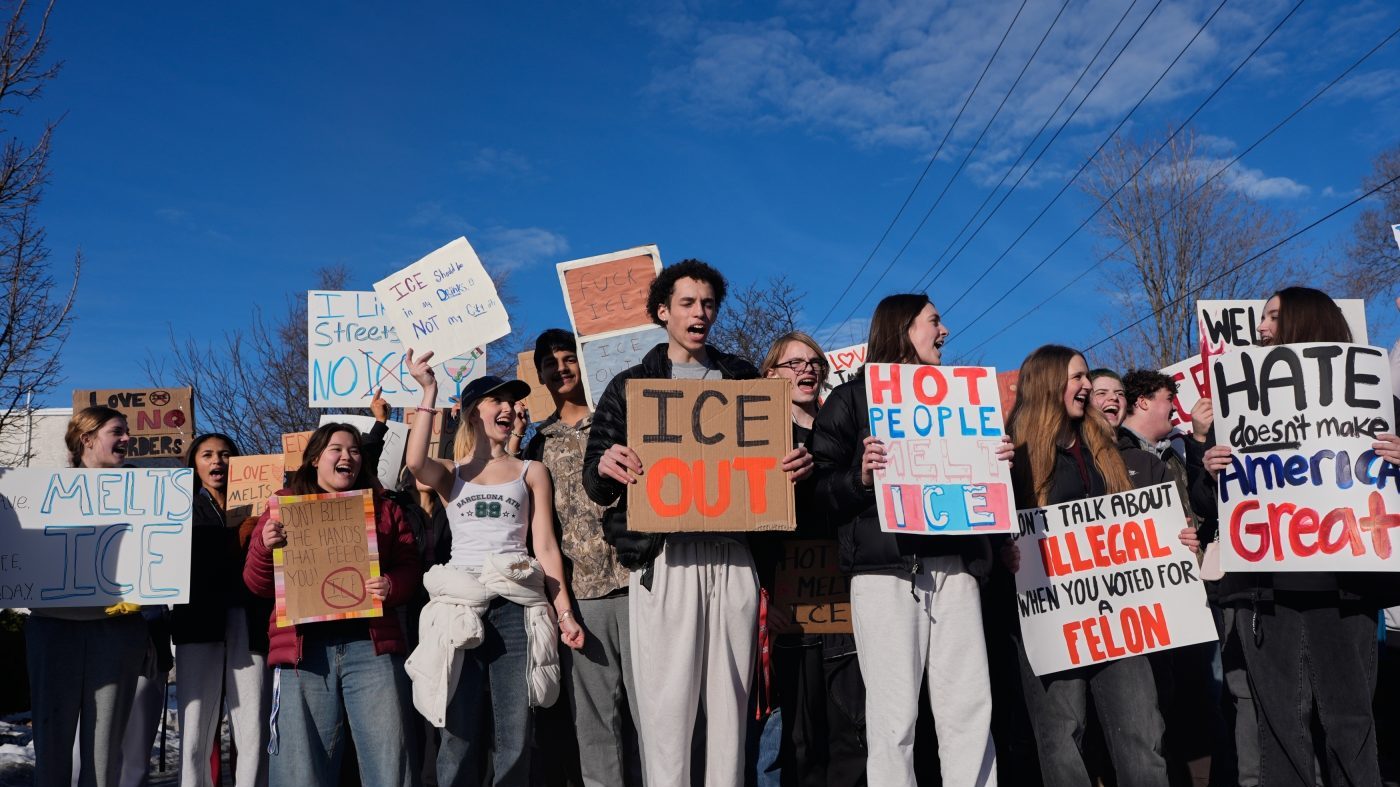
Two Minnesota school districts and the state's largest teachers union appeared in federal court Wednesday, seeking to force the restoration of Obama-era restrictions that prohibited immigration enforcement actions on or near school grounds. The legal challenge targets the Trump administration's 2019 policy reversal, which eliminated so-called "sensitive location" protections for schools.
Legal Challenge Centers on Educational Harm
The Fridley and Duluth school districts, joined by Education Minnesota, filed their lawsuit in February during a period of intensified immigration enforcement actions in the Minneapolis area. They are asking U.S. District Judge Laura Provinzino for a preliminary injunction to temporarily reinstate the enforcement limits while the case proceeds.
According to court documents, school administrators have reported significant attendance declines they directly attribute to fears of Immigration and Customs Enforcement (ICE) presence. "Parents, children, and teachers, regardless of immigration status, reasonably fear going to school," the lawsuit states, adding that "school districts and teachers across Minnesota have reported significant reductions in attendance rates." The plaintiffs argue this constitutes a clear and direct harm to their educational mission.
Court Scrutinizes Standing and Policy Review
Wednesday's hearing focused on several procedural hurdles. The court examined whether the school districts have legal standing to sue, whether the policy is subject to judicial review, and whether the plaintiffs can demonstrate the policy directly caused the alleged harms. A favorable ruling on these preliminary questions is essential for the case to move forward on its merits.
The Trump administration has vigorously defended the policy shift. In a statement issued when the lawsuit was filed, then-Department of Homeland Security Assistant Secretary for Public Affairs Tricia McLaughlin argued, "ICE is not going to schools to arrest children—we are protecting children. Criminals are no longer able to hide in America's schools to avoid arrest." This stance reflects a broader expansion of domestic immigration enforcement authority under the current administration.
The case unfolds against a backdrop of intense national debate over immigration enforcement tactics and their societal impact. Critics argue that aggressive enforcement in community spaces like schools creates a climate of fear that extends far beyond the individuals targeted, potentially undermining social stability and economic prospects. Others point to tragic personal consequences that can stem from enforcement actions.
This is not the first legal challenge to the policy. Denver Public Schools filed a similar lawsuit last year but ultimately dropped the case. The Minnesota litigation represents a renewed effort by educational institutions to carve out protective spaces for students and families, echoing concerns raised in other policy areas, such as when the administration nullified Title IX gender identity agreements with several school districts.
The outcome could set a significant precedent for how localities interact with federal immigration authorities. It also touches on deeper constitutional questions about the limits of executive power, a theme consistent with criticisms that the administration frequently tests constitutional boundaries. A decision from Judge Provinzino is expected in the coming weeks.