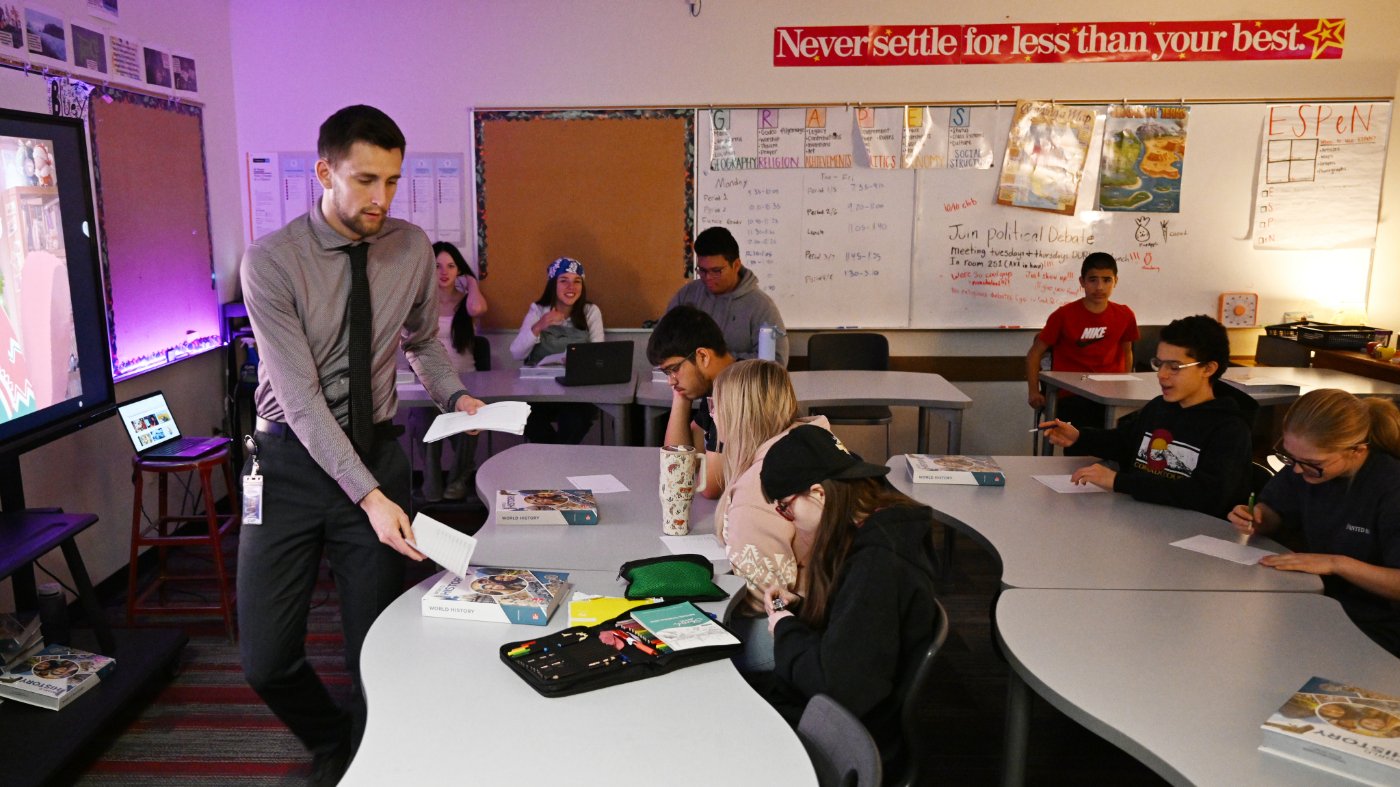
A series of recent court decisions finding Meta and YouTube liable for the detrimental effects of social media addiction on children has sent a stark warning to the education sector. These legal precedents underscore the potential dangers of rapidly deploying new technologies without fully understanding their consequences for young people.
A Pattern of Reactive Policy
The legal and regulatory response to social media's harms arrived years after evidence of damage to adolescent mental health became apparent. This reactive pattern mirrors the earlier, unregulated rollout of smartphones in schools, which many districts later had to restrict based on observable problems like classroom distraction and cyberbullying, rather than comprehensive research.
Now, as schools and colleges nationwide race to integrate artificial intelligence, a chorus of experts argues for a fundamentally different approach. They contend that the education system must learn from past mistakes and demand evidence of efficacy and safety before widespread adoption, rather than waiting for courts or legislatures to intervene after potential harm is done.
Unanswered Questions and Market Exploitation
Critical questions about AI in education remain unresolved. The sector lacks clear ethical guidelines on plagiarism and originality when AI tools are used, evidence on when AI should supplement or replace human instruction, and data on how reliance on these technologies might erode foundational knowledge and critical thinking skills.
Unlike in fields like healthcare, where AI development often involves close collaboration with professionals, the education technology market has frequently operated differently. Critics argue tech firms have treated schools as a vast, untapped market for products launched without rigorous, independent evaluation in authentic learning environments.
With policymakers slow to establish guardrails, educators themselves possess significant leverage as consumers. School districts and universities have the purchasing power to demand accountability and transparency from vendors about how their tools affect student outcomes.
The Case for a Strategic Pause
The core proposal gaining traction is a voluntary moratorium on new AI implementation contracts in education. This "pause before you scale" strategy would allow time for independent researchers to assess the academic and developmental impact of these tools. Such a deliberate approach was notably absent during the introductions of both social media and smartphones into young people's lives.
Concerns extend beyond pedagogy to the very structure of the education workforce. As economists warn of AI's potential to eliminate jobs, the prospect of AI replacing teachers and counselors raises profound questions about the future of the profession and the quality of student support.
The push for caution does not advocate abandoning education technology altogether. Virtual learning platforms proved indispensable during the pandemic, demonstrating technology's positive potential. However, the subsequent normalization of extensive screen time for even very young children, without understanding its long-term effects on learning and socialization, illustrates the risks of unchecked adoption.
This moment represents a critical inflection point. The education sector, some argue, bears partial responsibility for the social media crisis by initially overlooking the risks of screen addiction. There is now a clear obligation to avoid repeating that error with a technology as powerful as artificial intelligence. The call is to proceed with deliberate, evidence-based caution, recognizing that the cognitive and academic future of students is at stake. The principle of a strategic pause for assessment is not unique to education; it finds parallel in deliberate diplomatic and military contexts where unforeseen consequences carry significant weight.