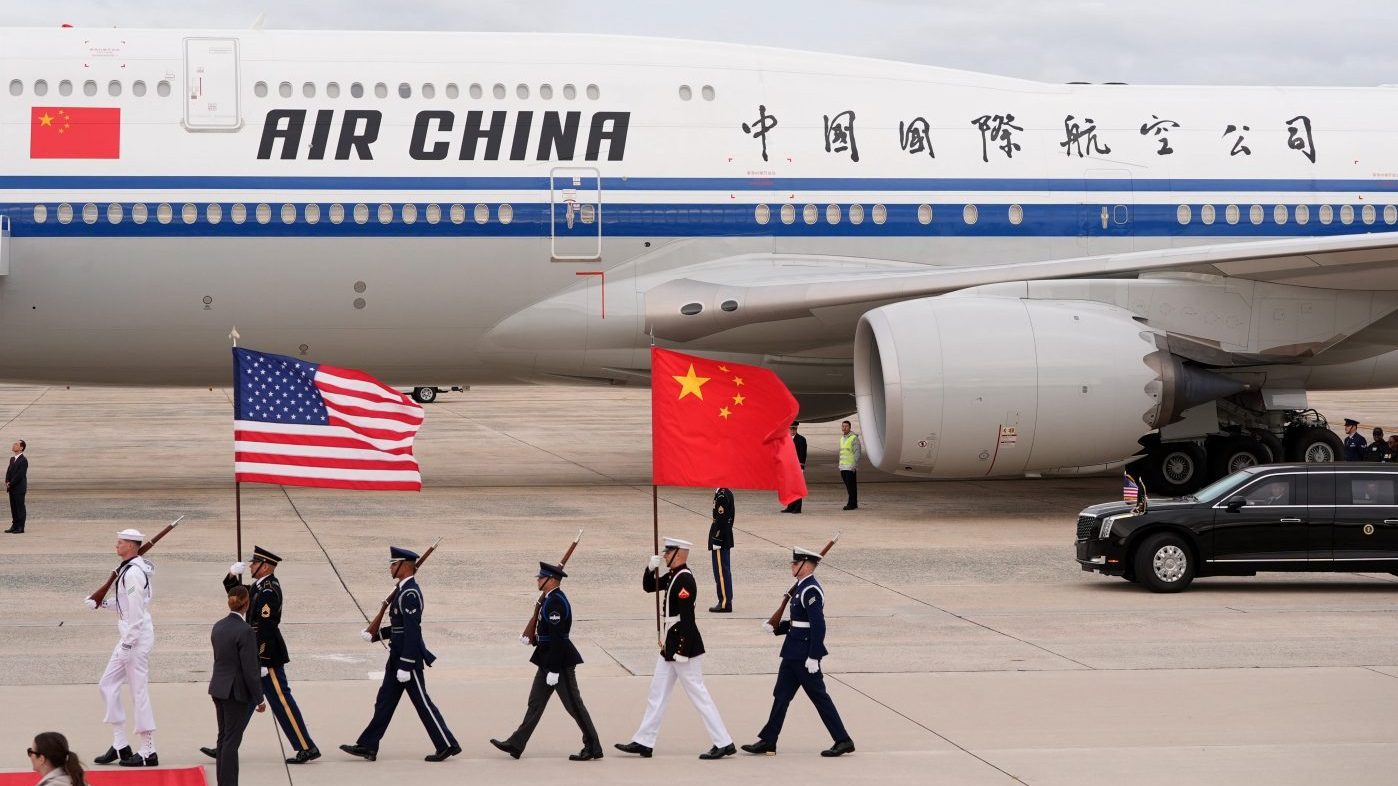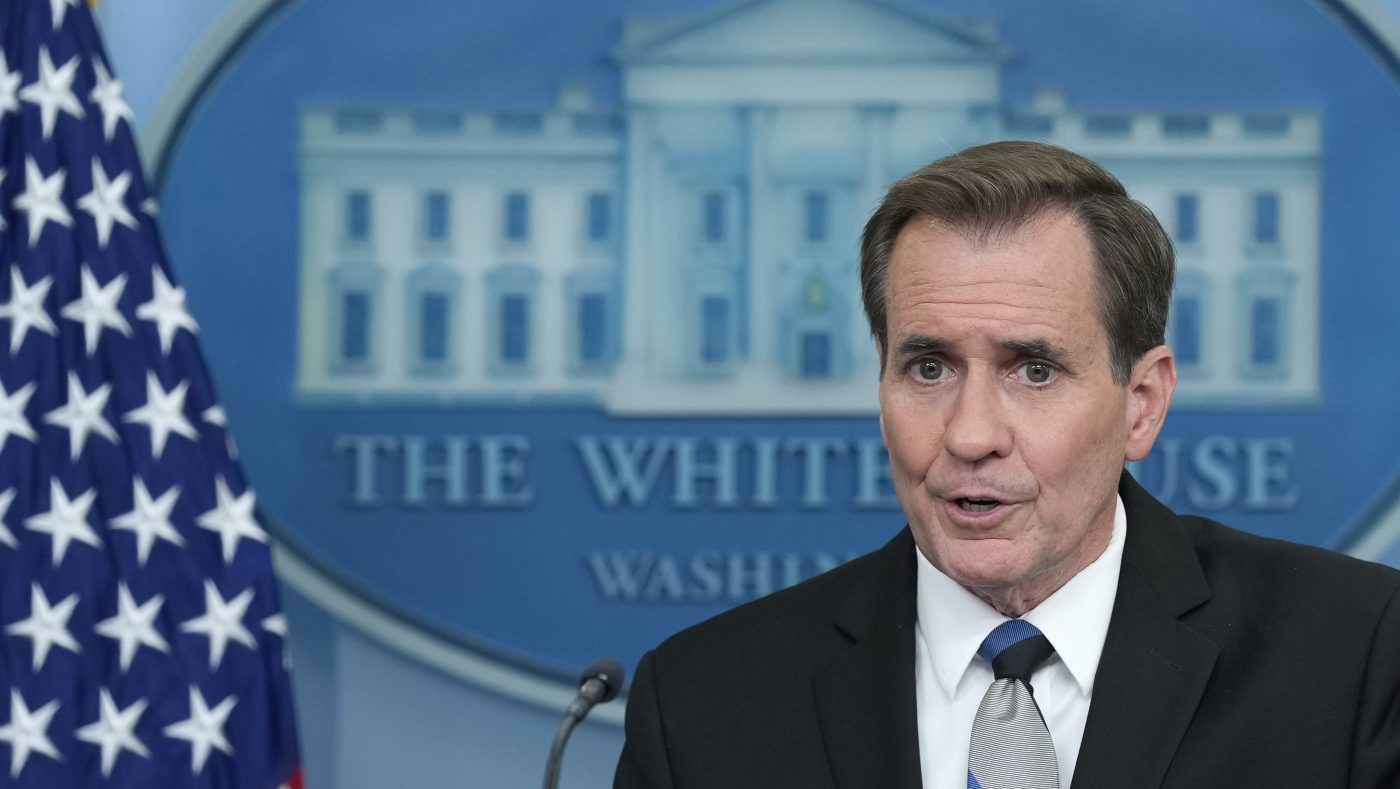
A former senior national security official from the Biden administration has suggested that President Trump's military blockade of the Strait of Hormuz could have strategic diplomatic utility, despite its inherent risks. Retired Navy Rear Admiral John Kirby, who served as a White House spokesperson on security matters, argued the naval operation might help bring Iran back to the negotiating table by leveraging pressure on its key economic partner, China.
Leveraging Economic Pressure
Kirby, speaking on a cable news program, framed the blockade as a potential diplomatic instrument. "I think as a potential diplomatic tactic it might be helpful," he said. His analysis centers on China's heavy reliance on oil shipments transiting the strategic waterway. The U.S. Navy's effort to intercept vessels to and from Iranian ports aims to economically squeeze Tehran. Kirby suggested this could "encourage the Chinese to be more helpful with Iran and get them back to the negotiating table because China certainly is dependent upon oil coming in and out of the Gulf."
The blockade, now in its second day, was ordered by President Trump on Sunday. It represents an escalation following the outbreak of conflict between Iran and Israel in late February. The stated U.S. objective is to force Iran into peace negotiations. This move comes as the Energy Secretary warns of a potential peak in gasoline prices within weeks, directly citing disruptions from the Hormuz blockade.
Limited Progress and Mounting Challenges
Initial diplomatic efforts have yielded little. A first round of in-person talks between U.S. and Iranian officials in Pakistan concluded over the weekend without significant breakthroughs. A major point of contention remains Washington's demand that Tehran dismantle its nuclear enrichment facilities. U.S. officials are now reportedly scouting locations and dates for a second round of negotiations before a fragile two-week ceasefire expires.
Kirby tempered his assessment of the blockade's utility with practical concerns. He noted a likely lack of positive economic impact, explaining that "it's difficult to get shipping companies to feel comfortable that this blockade is going to make it easier or safer for their ships to transit that strait" while the threat of Iranian retaliation persists. This risk was underscored when a sanctioned Chinese tanker transited Hormuz, directly challenging the U.S. naval presence.
Broader Support for Blockade Strategy
The tactic has found an unlikely advocate in Richard Haass, a veteran diplomat and former Republican senior national security official who has frequently criticized the Trump administration's military actions against Iran. On social media, Haass wrote, "Good to see Pres Trump has announced US will mount a blockade of Strait of Hormuz unless Iran opens it to all. We should also propose a new governance authority for the Strait in which Iran participates but doesn't control."
Haass elaborated to The New York Times, stating the blockade "adds to the economic pressure on Iran that already existed before the war and was made worse by the war. If they want to sell their oil, they need to reopen the strait to all." This perspective aligns with the administration's view of the blockade as a coercive economic tool. The situation adds to a series of foreign policy challenges for the administration, which is also managing diplomatic tensions with the Vatican that have drawn sharp domestic criticism.
Strategic Calculus and Domestic Politics
The blockade represents a high-stakes gamble. While officials like Kirby see a narrow path to using it as leverage for a "negotiated settlement," the immediate effects are disrupting global energy markets and testing military readiness. The strategy emerges amid a complex political landscape, where Trump has declared victory in the Iran conflict as the ceasefire holds, even as critics question what tangible strategic gains have been achieved.
The coming days will test whether the economic pressure on Iran, amplified through its Chinese patrons, will translate into diplomatic flexibility, or if it will instead harden positions and increase the risk of a broader regional confrontation. The administration's ability to manage this crisis could have significant repercussions, both for global stability and the domestic political climate as elections approach.