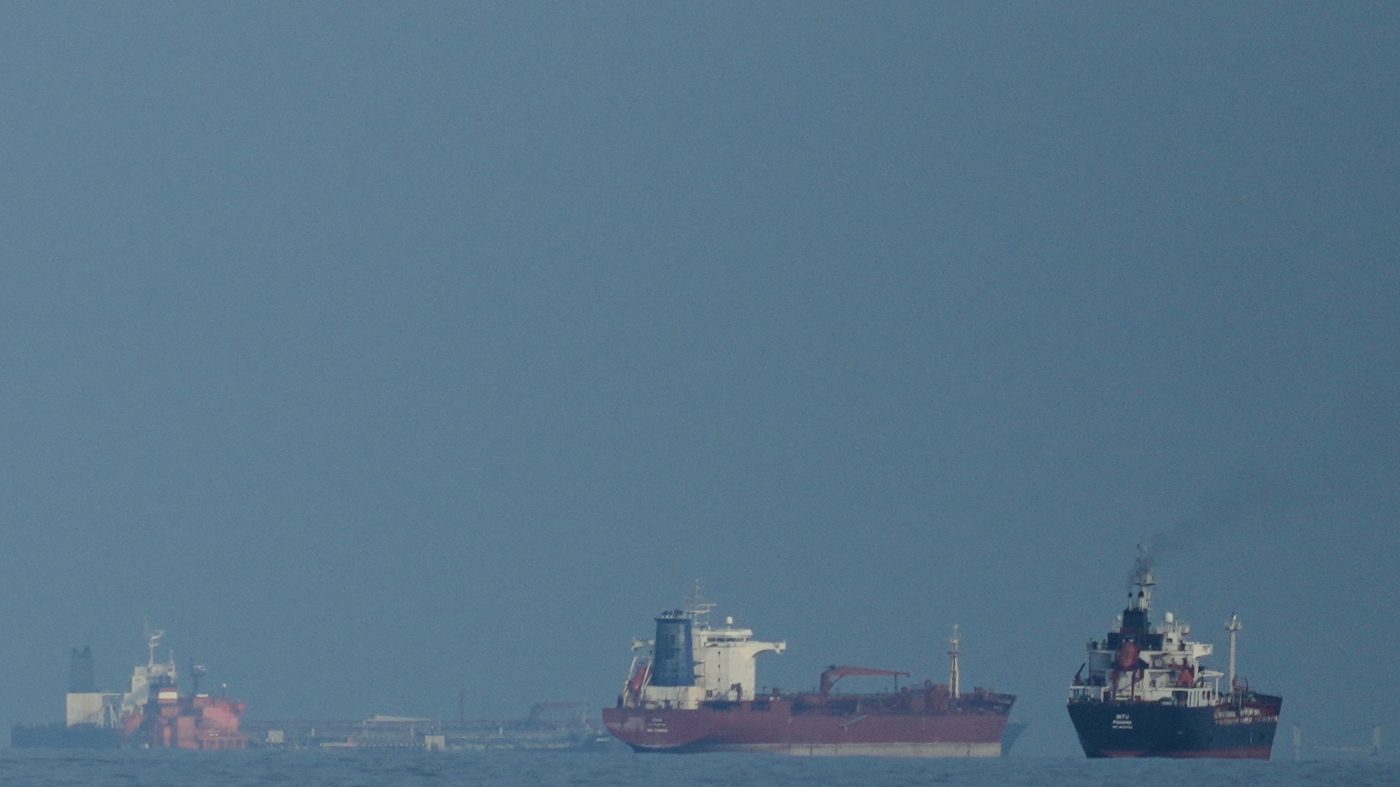
A Chinese-owned oil tanker under U.S. sanctions successfully transited the Strait of Hormuz on Monday, presenting an immediate challenge to a new naval blockade ordered by President Donald Trump. The blockade, which took effect that morning, authorizes U.S. forces to interdict vessels in international waters that have paid transit tolls to Iran.
The tanker, identified as the Rich Starry, made its passage in the afternoon after an initial attempt, according to shipping data from Kpler. The vessel, carrying approximately 250,000 barrels of methanol, was en route to the Gulf of Oman. While flying the flag of Malawi, the African nation has stated it holds no official registration for the ship, which is crewed by Chinese nationals and owned by the sanctioned Shanghai Xuanrun Shipping Company.
The transit represents a direct test of Trump's enforcement of a naval blockade against Iran, a significant escalation following failed weekend negotiations between U.S. and Iranian officials. The president stated Tehran refused to meet American demands on nuclear enrichment and other issues, leading to the military order.
In a Truth Social post announcing the policy, Trump directed the Navy to "seek and interdict every vessel in International Waters that has paid a toll to Iran." He asserted, "Iran will not be allowed to profit off this Illegal Act of EXTORTION," and added that the U.S. military is "fully 'LOCKED AND LOADED.'" The administration has indicated other nations may join the enforcement effort.
A second sanctioned Chinese tanker, the Murlikishan, was also tracked moving through the strait in the opposite direction and is now in the Persian Gulf. Data shows it is destined for Iraq to load fuel. It remains unclear whether either vessel stopped at Iranian ports during their journeys, which would trigger the blockade's interdiction criteria.
The geopolitical standoff has already driven up global energy costs. Iran previously retaliated against U.S. and allied actions with strikes on Gulf states and by closing the vital waterway. During a temporary ceasefire, Tehran imposed costly tolls on oil tankers—a revenue stream the Trump administration is now attempting to sever.
This military and economic pressure occurs as domestic pressure mounts on Trump over fuel prices and as his foreign policy approach faces scrutiny. The incident underscores the administration's willingness to confront both Iran and its trading partners, notably China, in a critical maritime chokepoint. Diplomatic efforts for a second round of talks are reportedly underway this week.
The tanker's passage without reported interference raises immediate questions about the practical enforcement of the blockade and the potential for miscalculation. The situation places the U.S. Navy in a position of potentially boarding or turning back commercial vessels, with significant implications for global oil markets and international maritime law.