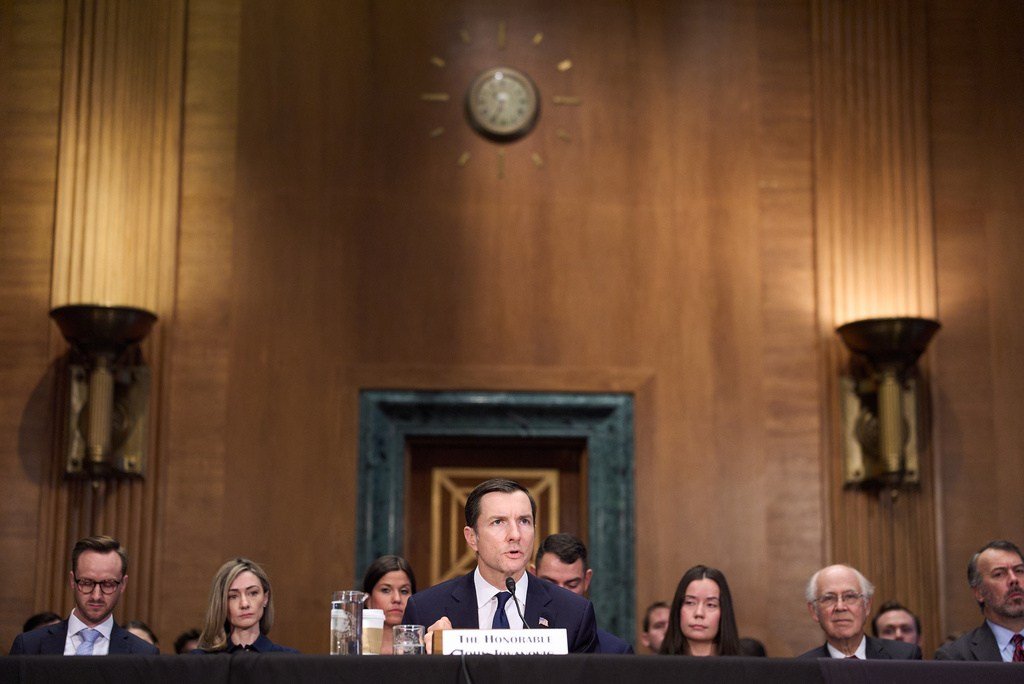
Escalating conflict in the Middle East has triggered a major disruption in global oil markets, sending gasoline prices soaring and placing acute financial strain on American households and the broader economy. The price spike, affecting everything from agricultural production to consumer travel, has intensified the search for immediate policy responses to curb domestic fuel demand.
A Ready-Made Demand-Side Solution
One such measure, according to policy analysts and federal employee representatives, lies readily within the executive branch's authority: a significant expansion of telework across the federal civilian workforce. The International Energy Agency has specifically identified remote work as a government policy that can be deployed swiftly to reduce commuting and lower fuel consumption when global supply is constrained.
The federal government, with over 2 million employees and an estimated 50% eligibility for remote work, represents a substantial lever. Road transportation accounts for nearly half of global oil demand. The IEA estimates that working from home three additional days per week could cut passenger vehicle fuel use by 2% to 6%, providing meaningful relief to a strained system.
Reversing Course on an Established Practice
This is not uncharted territory for the federal government. Prior to the administration's controversial rollback of telework policies last year—a move that violated some labor agreements—approximately 1.2 million federal employees were either fully remote or teleworking part-time. The infrastructure, technology, and managerial experience, largely built during the COVID-19 pandemic, remain in place for a rapid scale-up.
"The question is not whether telework is feasible. The federal government has already demonstrated that it is," said Justin Chen, president of AFGE Council 238. "The question is whether the president and his administration are willing to use the tools already available to them." Proponents argue that telework allows agencies like the Environmental Protection Agency to continue core missions—protecting clean air and water—without disruption, while simultaneously reducing energy consumption in large federal office buildings.
Global Precedents and Domestic Political Pressure
Other nations are already acting. Several Asian countries, including Vietnam and Thailand, have implemented work-from-home policies for public servants to conserve fuel amid the supply crisis stemming from heightened tensions with Iran. The move presents a political challenge for the White House, which has faced growing anxiety within the GOP over energy costs ahead of elections.
Critics of the administration's previous telework restrictions note that employees with essential on-site duties, such as TSA officers or Park Service rangers, would continue reporting in person. The policy shift would specifically apply to the millions of federal workers in administrative, analytical, and program management roles who can perform their duties remotely.
A Pragmatic, Short-Term Mitigation
Advocates are careful to frame expanded telework not as a long-term energy solution, but as a simple, immediate step to reduce unnecessary consumption, ease pressure on family budgets, and maintain government operations during uncertainty. It represents a demand-side adjustment that requires no new legislation or complex regulatory change.
As the global energy shock continues, the administration faces a clear choice: utilize an existing, proven mechanism to provide modest but immediate economic relief, or maintain a rigid stance on federal workplace attendance. With the policy architecture already built, the barrier to action appears purely political, leaving observers to ask what, beyond ideology, is holding the White House back from this pragmatic response.