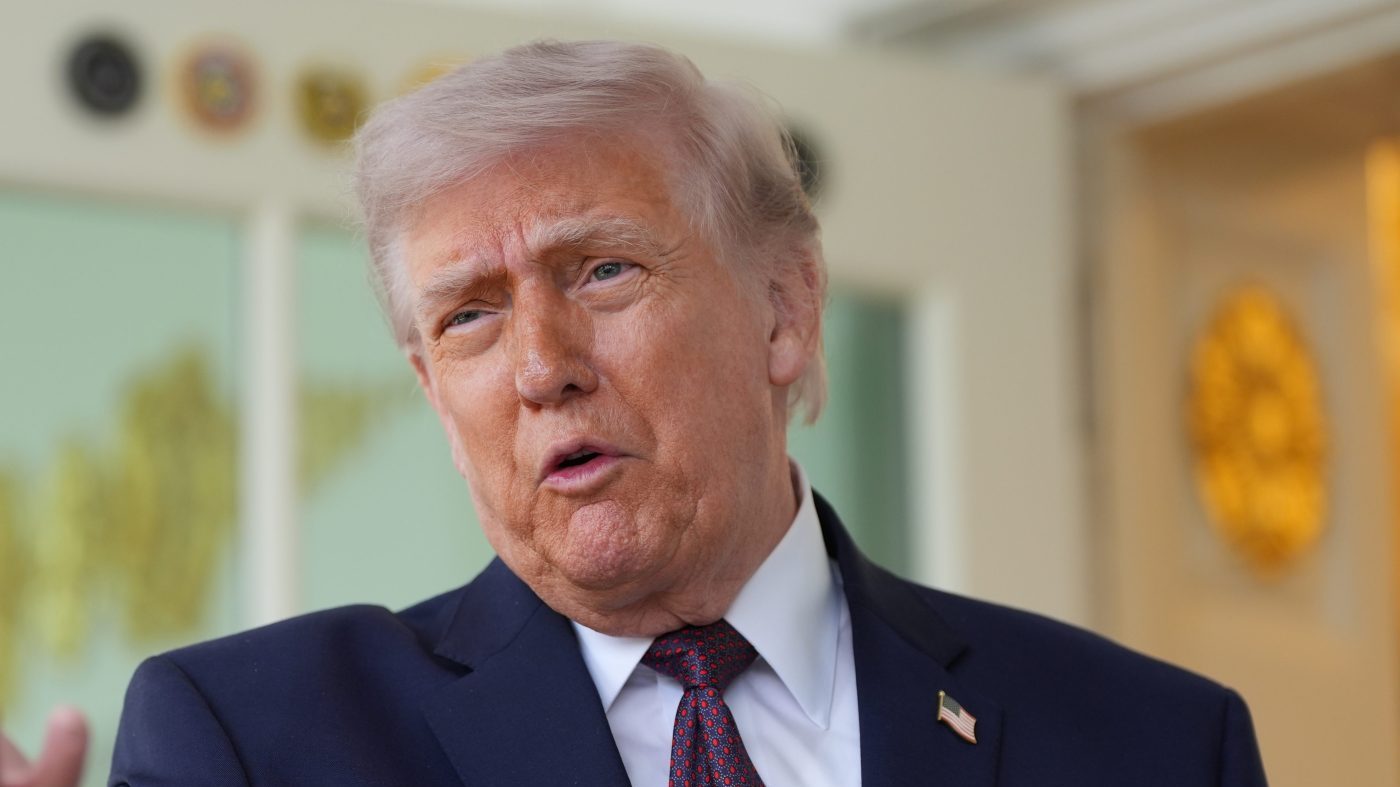
President Trump's recent suggestion that high gasoline prices could remain a fixture through the November elections has triggered alarm among Republican strategists and lawmakers, who view the issue as a significant political liability in a midterm year where control of Congress is at stake. The president's comments, made during a Fox News interview, represent a stark departure from previous administration assurances that price pressures would be temporary, forcing the GOP to recalibrate its economic messaging.
Shifting Expectations on Fuel Costs
When asked by Maria Bartiromo about the trajectory of pump prices, Trump offered a noncommittal forecast, stating, "I think so. It could be, it could be, or the same, or maybe a little bit higher, but it should be around the same." This ambiguous response follows weeks of administration signals that costs would decline, indicating a strategic pivot as the military engagement with Iran, dubbed Operation Epic Fury, extends beyond initial projections. The prolonged conflict has disrupted global energy markets, with the administration's recent decision to enforce a naval blockade against Iran in the Strait of Hormuz further complicating efforts to stabilize oil flows.
GOP Operatives Voice Concerns
Republican campaign officials privately acknowledge the challenge. "Candidly, it does worry me," one operative told The World Signal. "Gas prices are advertised in big, light-up signs on every corner, and so it's something that people tangibly see every single day." The operative added that while voters might grant the president some leeway due to the conflict, the persistent high costs hinder the party's ability to effectively message on kitchen-table economic issues. Recent polling underscores the public's sensitivity: a CBS News survey found 51% of respondents describing gas prices as a "financial hardship," with only 8% saying their finances were unaffected.
Electoral Landscape Grows More Challenging
The souring national mood is reflected in shifting electoral forecasts. The nonpartisan Cook Political Report recently moved four Senate races toward Democrats, citing an increasingly difficult environment for Republicans. Decision Desk HQ's generic congressional ballot average currently shows Democrats leading by several points. This backdrop makes Trump's planned campaign trips to Nevada and Arizona, both states he carried in 2024, critically important. He is expected to emphasize tax relief measures from last year's major legislative package, including the popular "No Tax on Tips" provision he has promoted through unconventional means, such as using a McDonald's delivery in the Oval Office to promote the policy.
Administration Defends Energy Record
The White House and Republican National Committee are mounting a vigorous defense, arguing the president's "Drill Baby Drill" agenda has restored American energy dominance after what they describe as the restrictive policies of the Biden era. "After four years of foreign dependence that caused the highest gas prices on record, President Trump's agenda has once again made the United States the world's leading energy producer and exporter," said RNC national press secretary Kiersten Pels. Administration allies also point to expanded production in Venezuela following U.S. military action there and the restored capacity of a key Saudi pipeline as factors that could eventually ease market pressures.
Internal GOP Tensions Surface
Despite the unified public front, the gas price dilemma exposes underlying tensions within the Republican coalition. Some foreign policy hawks support a hardline stance against Iran, while pragmatic lawmakers fear electoral consequences. The situation is further complicated by Trump's refusal to apologize to Pope Leo XIV after a diplomatic spat concerning the Iran strategy, which has drawn condemnation from allies like Italian Prime Minister Giorgia Meloni. Meanwhile, some conservatives have expressed unease with other administration actions, such as the settlement permitting the Pride flag at the Stonewall Monument, fearing it distracts from core economic messages.
A Cautious Outlook Prevails
Richard Stern, a vice president at the think tank Advancing American Freedom, interpreted Trump's hedging on gas prices as a learned caution. "He has learned along with anybody who trades on a regular basis to never tempt fate and say you know what the prices of anything are going to do," Stern observed. He expressed optimism that new production from Venezuela would reach markets sooner than expected and predicted Iran would "fold relatively soon." However, with Tehran showing continued defiance and global energy markets remaining volatile, Republican candidates are left to navigate a political landscape where a ubiquitous economic indicator works against them, testing the loyalty of a base that often functions as a personality-driven movement dismissive of policy dissent.
The White House maintains a forward-looking posture. Spokesperson Anna Kelly stated that once U.S. objectives in Iran are met, "these short-term disruptions will be past us and our economy will be stronger than ever before." For GOP candidates on the ballot in November, the critical question is whether voters will accept that timeline or punish the party at the polls for financial strain that shows no immediate sign of abating.