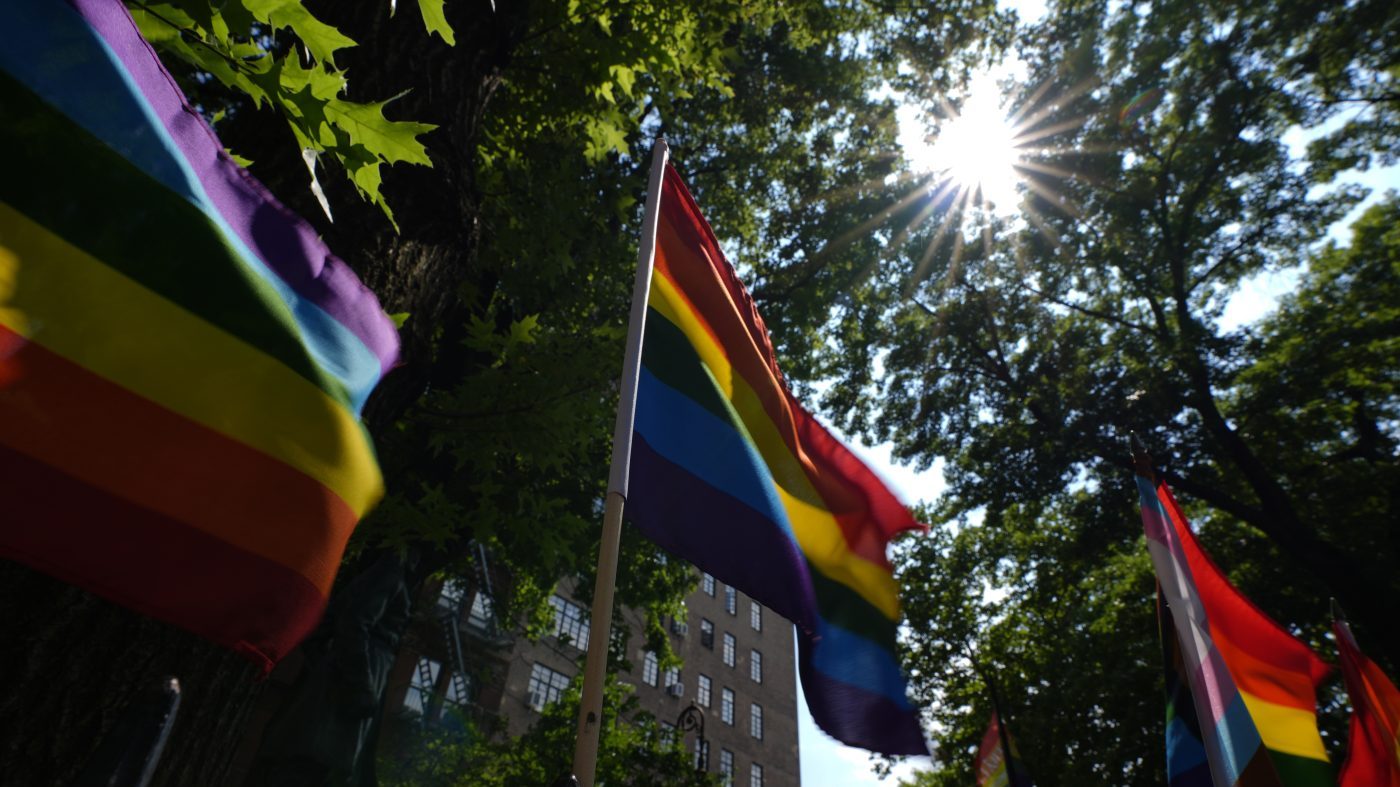
The Trump administration has reached a legal settlement requiring it to display an LGBTQ pride flag at the Stonewall National Monument in New York City, according to court documents. The agreement resolves a lawsuit filed after federal officials removed the flag from the site in February, an action that sparked immediate controversy and accusations of targeted discrimination.
Legal Challenge and Settlement Terms
Nonprofit organizations filed suit against the administration, arguing that the flag's removal through the National Park Service (NPS) represented a deliberate effort to marginalize the LGBTQ community. The plaintiffs contended this was part of a broader pattern of actions by the Trump administration targeting LGBTQ people. The settlement, detailed in court filings, mandates that the rainbow pride flag be hung at the monument, which commemorates the birthplace of the modern LGBTQ rights movement.

The lawsuit drew a sharp contrast in how the NPS handles different symbolic merchandise. It noted that while the service has only requested vendors voluntarily withdraw Confederate flag items from park gift shops, it had issued a direct order to remove all products recognizing LGBTQ identities. This discrepancy formed a core part of the plaintiffs' argument that the administration was applying a discriminatory double standard.
Brother Context of 'Woke' Crackdown
This incident is not isolated. The Trump administration has systematically targeted signage, informational displays, and iconography across the National Park Service and Smithsonian museums that it deems overly "woke" or negatively critical. Administration officials have framed these efforts as removing partisan activism from federal institutions, but the moves have consistently drawn fire from historians and advocacy groups.
Critics argue these actions constitute a deliberate whitewashing of American history, limiting the representation of disadvantaged groups and sanitizing difficult chapters of the nation's past. This settlement at Stonewall represents a rare reversal in that broader campaign, forced by legal pressure rather than a change in administrative policy. The administration's posture on cultural issues often appears at odds with other priorities, such as when Trump enforces a naval blockade against Iran, focusing on hard power abroad while engaging in domestic cultural battles.
Historical Significance of Stonewall
The Stonewall National Monument holds profound historical significance. It is located at the site of the Stonewall Inn, a gay bar that was raided by police in 1969. The violent resistance to that raid and the protests that followed are widely considered the catalyst for the organized LGBTQ rights movement in the United States. The monument's establishment was intended to formally recognize that struggle and its central place in the nation's civil rights narrative.
The fight over the flag at this specific location symbolizes a larger conflict over whose stories are honored on federal land. This cultural friction extends beyond domestic policy, occasionally spilling into international relations, as seen when Italian Prime Minister Giorgia Meloni condemned a Trump attack on Pope Leo XIV as unacceptable, highlighting how the administration's confrontational style resonates globally.
Political Implications and Reactions
The settlement avoids a potentially lengthy court battle that would have kept the controversy in the headlines. For the plaintiffs, it represents a concrete victory in preserving visibility at a landmark site. For the administration, it closes a contentious case but does little to alter its overall record on LGBTQ issues, which includes rolling back protections in healthcare, education, and the military.
This resolution comes amid a shifting political landscape, where cultural issues are increasingly salient. Recent analysis, such as the Cook Political Report moving four Senate contests toward Democrats, suggests the national climate may be changing. However, the administration continues to pursue a distinct agenda, often characterized by unconventional tactics, from using a McDonald's delivery in the Oval Office to promote policy to making bold statements on the world stage.
While the flag will fly again at Stonewall, the underlying tensions over representation, history, and identity in America's public spaces remain unresolved. The settlement is a procedural endpoint to one dispute, but it underscores the ongoing debate about inclusivity and memory in the nation's monuments and museums—a debate that continues to define a significant front in the country's political wars.