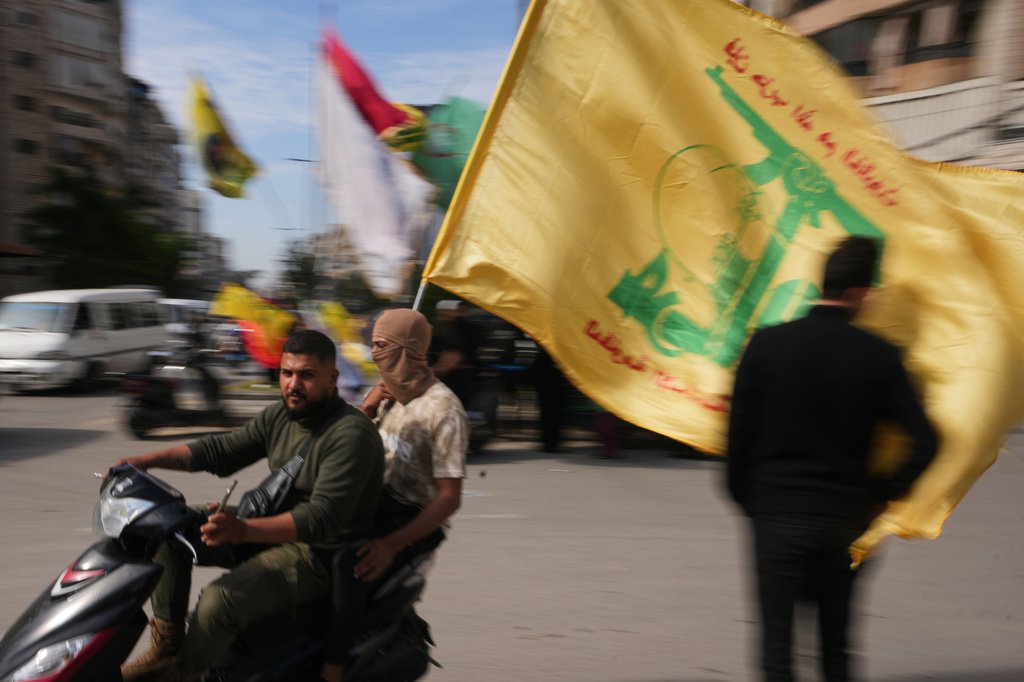
The U.S. Treasury’s latest sanctions mark a fundamental shift in Washington’s approach to Hezbollah. Rather than targeting the militia in isolation, the designations struck at the Lebanese state apparatus that enables its parallel authority.
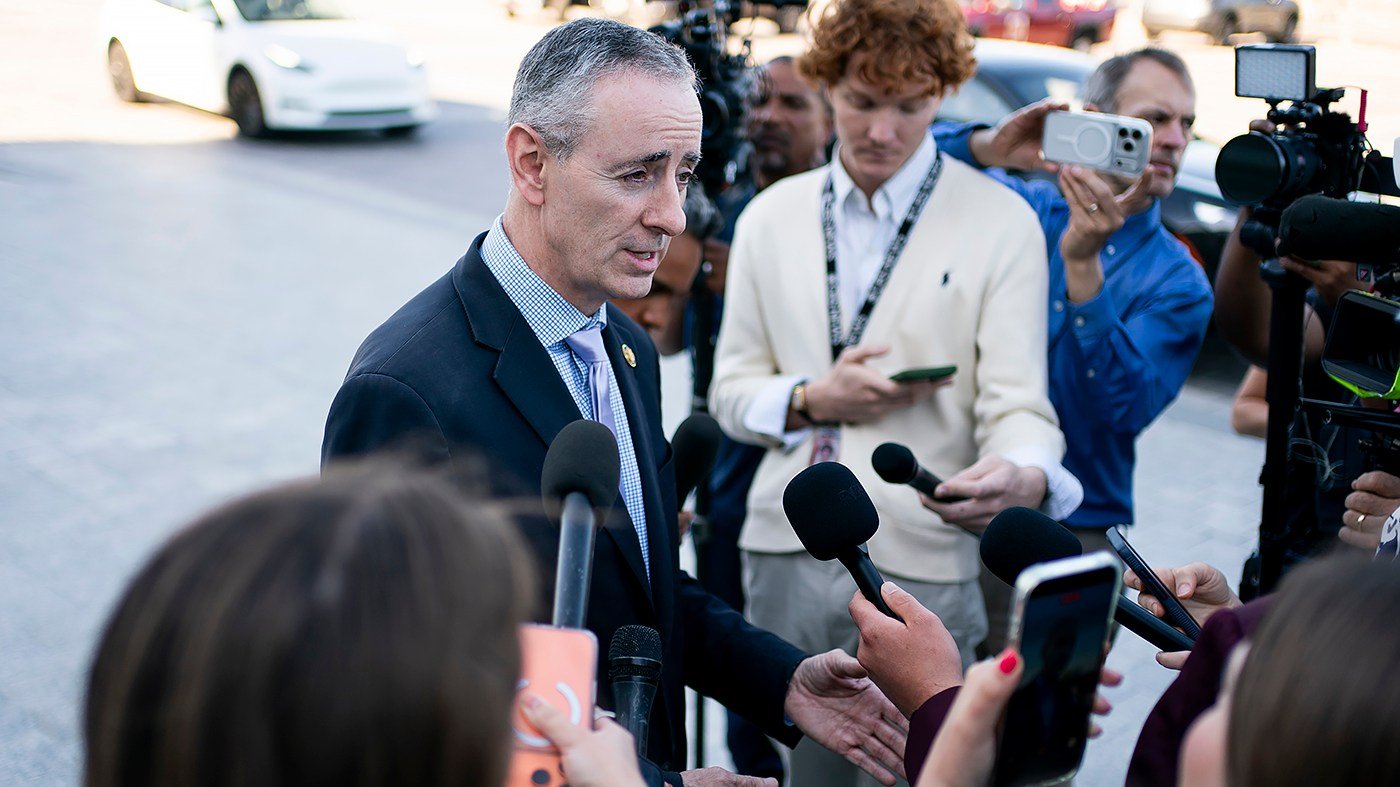
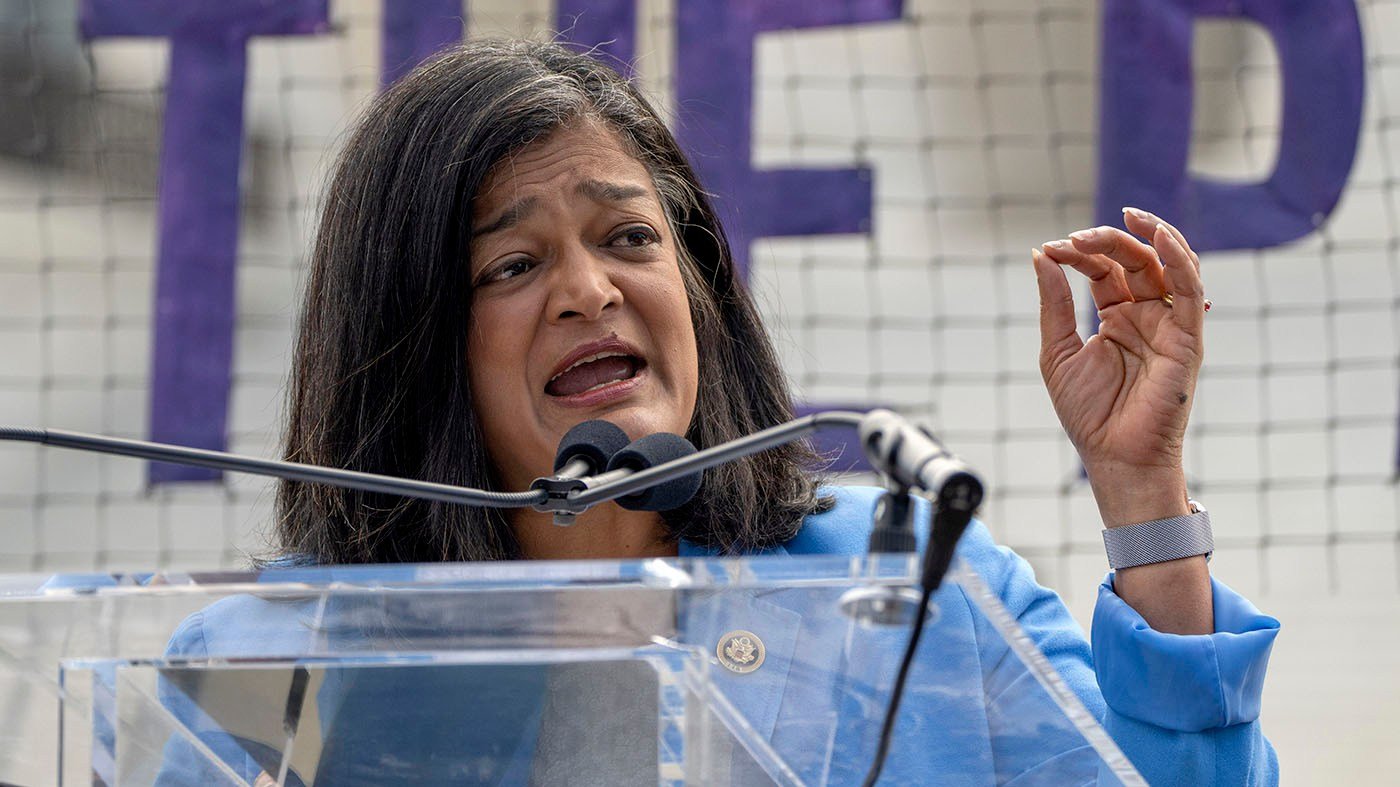
Nine individuals were blacklisted last Thursday, including Hezbollah parliamentarians Hassan Fadlallah, Ibrahim al-Mousawi, Hussein al-Hajj Hassan, and Mohammed Fneish. Also targeted were Amal Movement security officials Ahmad Baalbaki and Ahmad Safawi, along with an Iranian diplomat accused of coordinating Hezbollah’s regional networks.
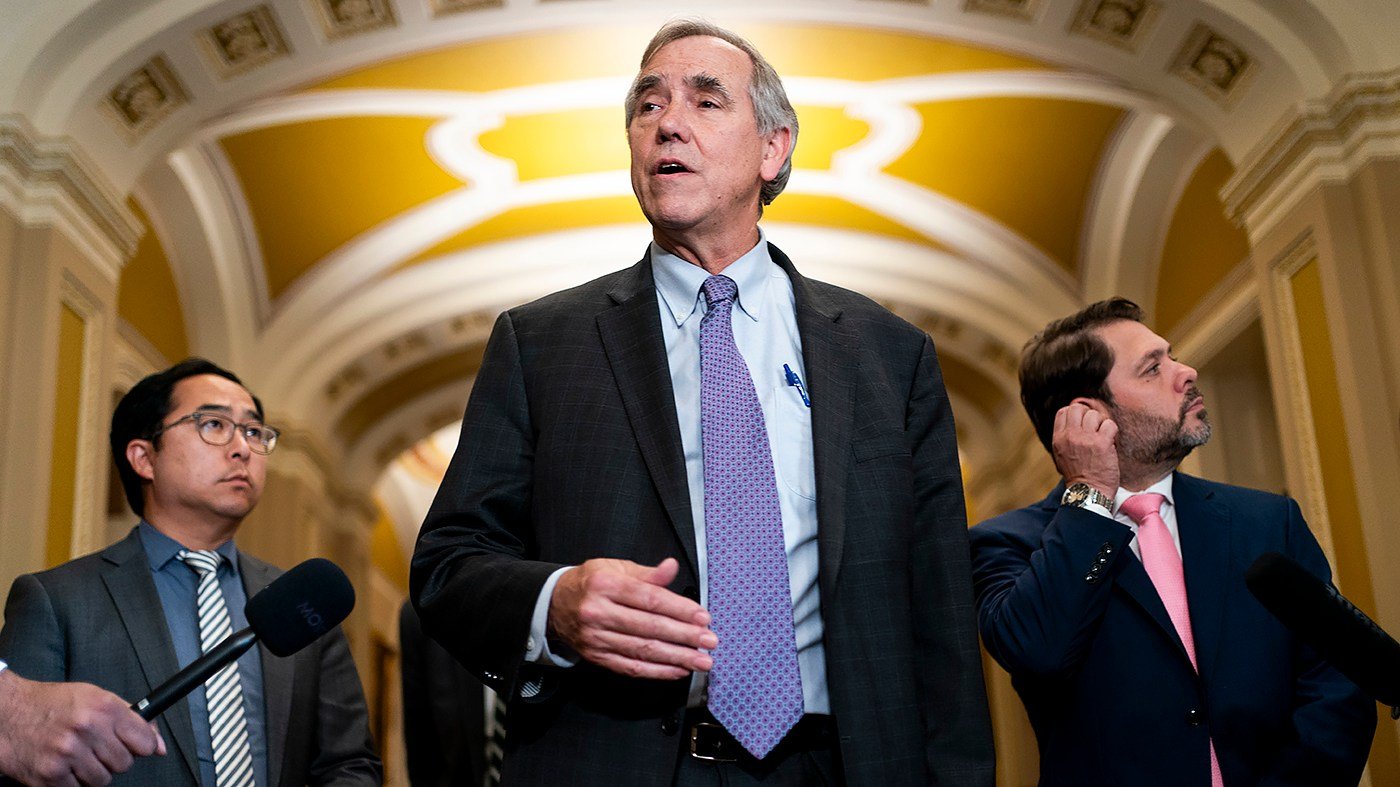
The most striking additions are Colonel Samer Hamadi, who heads Lebanese Army Intelligence in the southern suburbs of Beirut—Hezbollah’s urban stronghold—and Brigadier General Khattar Nasser al-Din, director of the Analysis Department at Lebanese General Security, which controls passports and border movement. Neither commands combat troops; both command information.
The Lebanese Army’s swift public statement insisting its soldiers remain “loyal” following Hamadi’s designation reveals institutional anxiety. An institution that felt no need to respond now feels compelled to. That defensive reflex is more telling given Washington had already canceled the Lebanese Armed Forces commander’s meetings over Lebanon’s failure to act on Hezbollah’s weapons—a diplomatic rebuke that preceded Thursday’s sanctions by months. The loyalty statement is not confidence; it is cover.
For years, Washington sanctioned Hezbollah as if it were a militia operating at Lebanon’s margins. It is not. Hezbollah survives because the Lebanese state—its parliament, security services, and administrative apparatus—has sheltered it, laundered its influence, and normalized its parallel authority. This is the architecture Qassem Soleimani built: militia fused with mafia, weapons protected by patronage, coercion normalized through institutional complicity.
Sanctioning Hezbollah MPs is not new. Sanctioning Lebanese Army Intelligence officers is. The Lebanese Armed Forces have long been treated as a red line by Washington—the one institution worth protecting. Designating Hamadi and Nasser al-Din signals that protection is now conditional. State uniforms no longer confer immunity if the person wearing them serves the militia’s security architecture.
The Amal dimension is equally significant. Washington has historically treated Amal and Hezbollah as distinct—a politically useful fiction that allowed engagement with Speaker Nabih Berri while sanctioning his allies. Targeting Amal-linked security officials ends that fiction. It reflects a more accurate understanding of how Lebanese power actually works: not as separate sectarian blocs, but as an interlocking ecosystem of influence, coercion, and shared economic interest.
These sanctions land as Lebanon-Israel security talks approach—a military meeting set for May 29, and political negotiations in Washington on June 2-3. The message to any Lebanese actor contemplating obstruction is plain: the cost of protecting Hezbollah’s privileges is no longer zero. But no one should mistake pressure for transformation. Hezbollah’s system is adaptive by design. It will reroute funds, protect loyalists, and wait for Western attention to move elsewhere.
Hezbollah has already dismissed the sanctions as having “absolutely no effect.” That is partly bluster, partly true. Sanctions alone will not disarm Hezbollah or restore Lebanese sovereignty. What they can do—if sustained—is raise the cost of complicity. They can strip away the fiction that state officials who enable Hezbollah are somehow separate from it. According to Al-Arabiya’s senior Washington reporter, more than 100 additional names are under review—a figure that, if accurate, would signal a sustained campaign rather than a one-time gesture.
The United States has a documented history of applying pressure at Lebanese inflection points, then allowing it to dissipate. These sanctions are the most structurally significant U.S. action against Hezbollah’s ecosystem in years. Whether they become a turning point or another chapter in insufficient pressure depends on one thing: whether Washington stays the course long enough for the cost of complicity to actually change Lebanese political calculations. That is not guaranteed. But for the first time in a long time, it is possible.