Intra-Party Clash Over Legislative Strategy
A significant rift has opened within the Senate Republican conference over the strategic use of budget reconciliation, a procedural tool allowing legislation to pass with a simple majority. The debate centers on whether to pursue a narrowly targeted bill to fund the Department of Homeland Security or to attempt a sweeping package of conservative priorities ahead of the midterm elections.
Thune Advocates for Focused Approach
Senate Majority Leader John Thune of South Dakota is championing a lean proposal designed to end the ongoing partial shutdown of the Department of Homeland Security. His plan would appropriate approximately $65 to $70 billion to fund Immigration and Customs Enforcement and Border Patrol operations for the next three and a half years. Thune argues that keeping the bill "very, very skinny" is the fastest path to reopening the agency and avoiding procedural delays.

"The president has already endorsed what Lindsey's put together," said Senator Thom Tillis of North Carolina, referencing the framework developed by Budget Committee Chair Lindsey Graham. "Why do we need to make it more difficult than getting something we know the president supports?"
Cruz Leads Charge for Expansive Bill
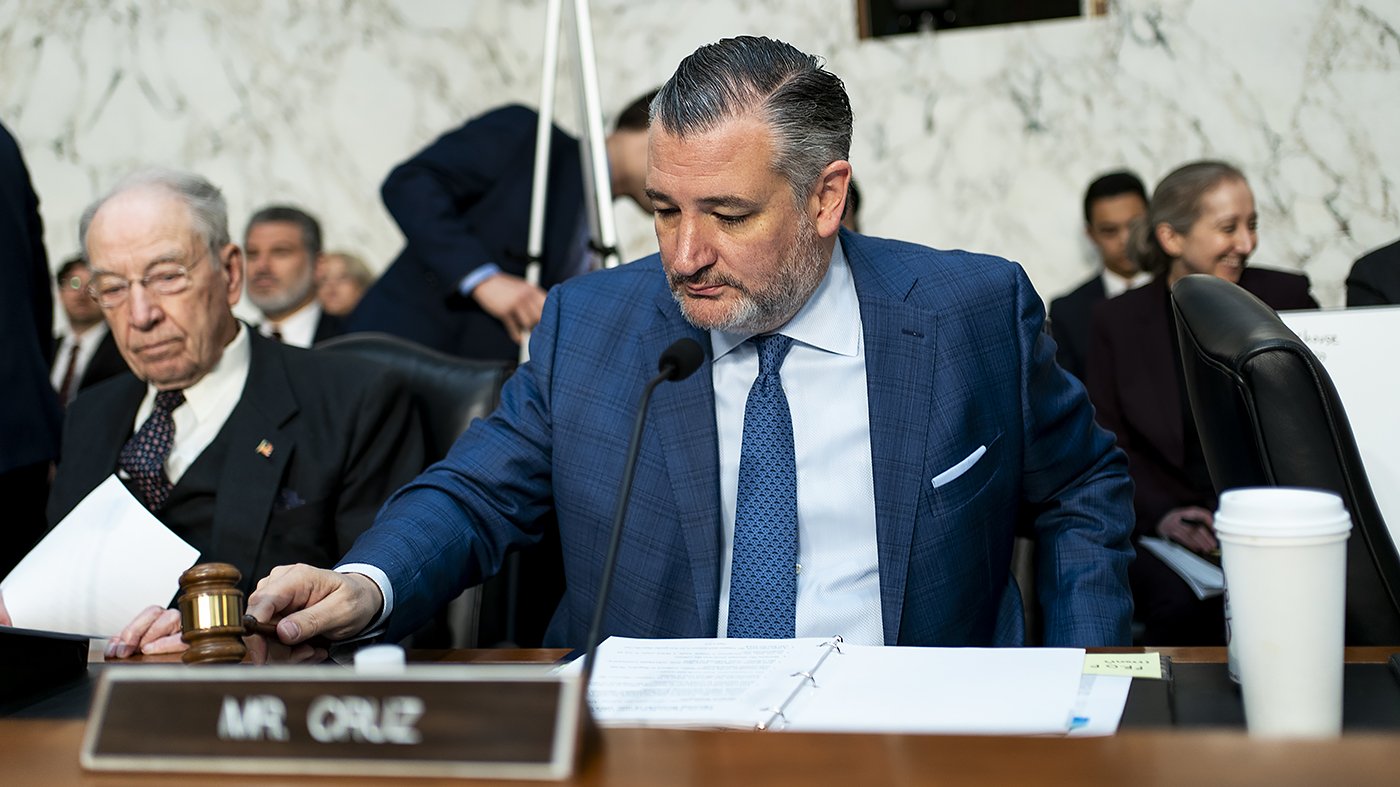
Senator Ted Cruz of Texas is leading a coalition of conservatives urging their colleagues to think bigger. In a closed-door lunch meeting and on his podcast, Verdict with Ted Cruz, Cruz framed the reconciliation process as the party's "last meaningful chance" to pass major Republican initiatives before Democrats potentially regain control of the House or Senate in November.
"Do we swing for the fences and get economic victories we can campaign on? Or do we play small ball?" Cruz argued. He warned against repeating what he views as a missed opportunity in 2018, when Republicans failed to pass an ambitious package before losing the House. Cruz's wish list includes indexing capital gains to inflation—a move he claims would provide massive economic stimulus—alongside decade-long funding for border security, increased defense spending, and extending a moratorium on federal payments to Planned Parenthood.
Growing List of Proposed Additions
The push to expand the bill's scope is gaining momentum among other Republican senators. Senator Josh Hawley of Missouri is pressing to include the lapsed Planned Parenthood funding ban, which expired on July 4. "It's a small provision but a very important one," Hawley stated. Senator Ron Johnson of Wisconsin is advocating for his Shutdown Fairness Act to ensure essential federal workers are paid during funding lapses.
Other proposals circulating among GOP lawmakers include adding election integrity provisions that would tie federal grants to state-level voting reforms, as well as broader defense spending increases paired with cuts to social programs. "Defense spending, spending cuts, the sky's the limit. That's the conversation going on right now," said one Republican senator who requested anonymity.
Resistance and Political Calculus
Thune and other institutionalists have swiftly rejected the expansive approach, fearing that overloading the reconciliation vehicle could doom its passage entirely. Their caution reflects a broader concern that internal GOP disputes could sideline the party's legislative momentum, a scenario reminiscent of when foreign policy and cultural issues have previously overshadowed the economic agenda.
The outcome of this internal struggle carries high stakes for the party's midterm prospects. A successful, popular bill could provide a policy victory to campaign on, while a failed or delayed effort would highlight Republican disunity. The debate also occurs against a backdrop of intense scrutiny over administration priorities, as seen when OMB Director Russ Vought faced sharp Democratic questioning over budget choices.
With the legislative calendar shrinking, Republican senators must soon decide whether to heed Cruz's call for a legacy-defining package or follow Thune's path for a guaranteed, if limited, victory. The resolution will signal the party's strategic direction and cohesion just months before voters head to the polls.