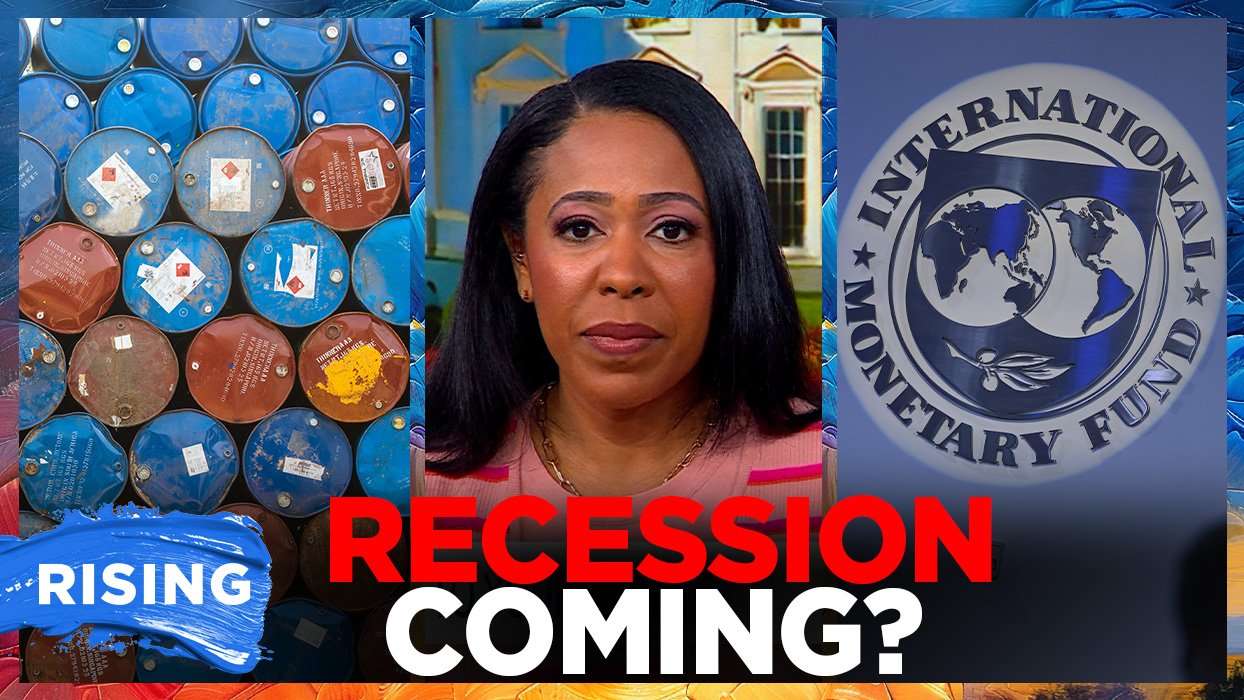
The International Monetary Fund has issued a stark assessment that the ongoing military conflict with Iran risks pushing the global economy into a recession, upending what had been a fragile post-pandemic recovery. This warning comes as new polling reveals deep skepticism among the American public, with only 24% believing the war's strategic benefits justify its mounting economic costs.
From the Gas Pump to the Grocery Aisle
The economic shockwaves are immediate and pervasive. Global oil prices have surged past $100 per barrel, driving the national average for gasoline above $4 per gallon. This increase acts as a tax on consumers and businesses alike, elevating costs for shipping, air travel, and the production and transportation of goods. The Energy Secretary has warned that prices could peak even higher in coming weeks, citing disruptions to critical shipping lanes.
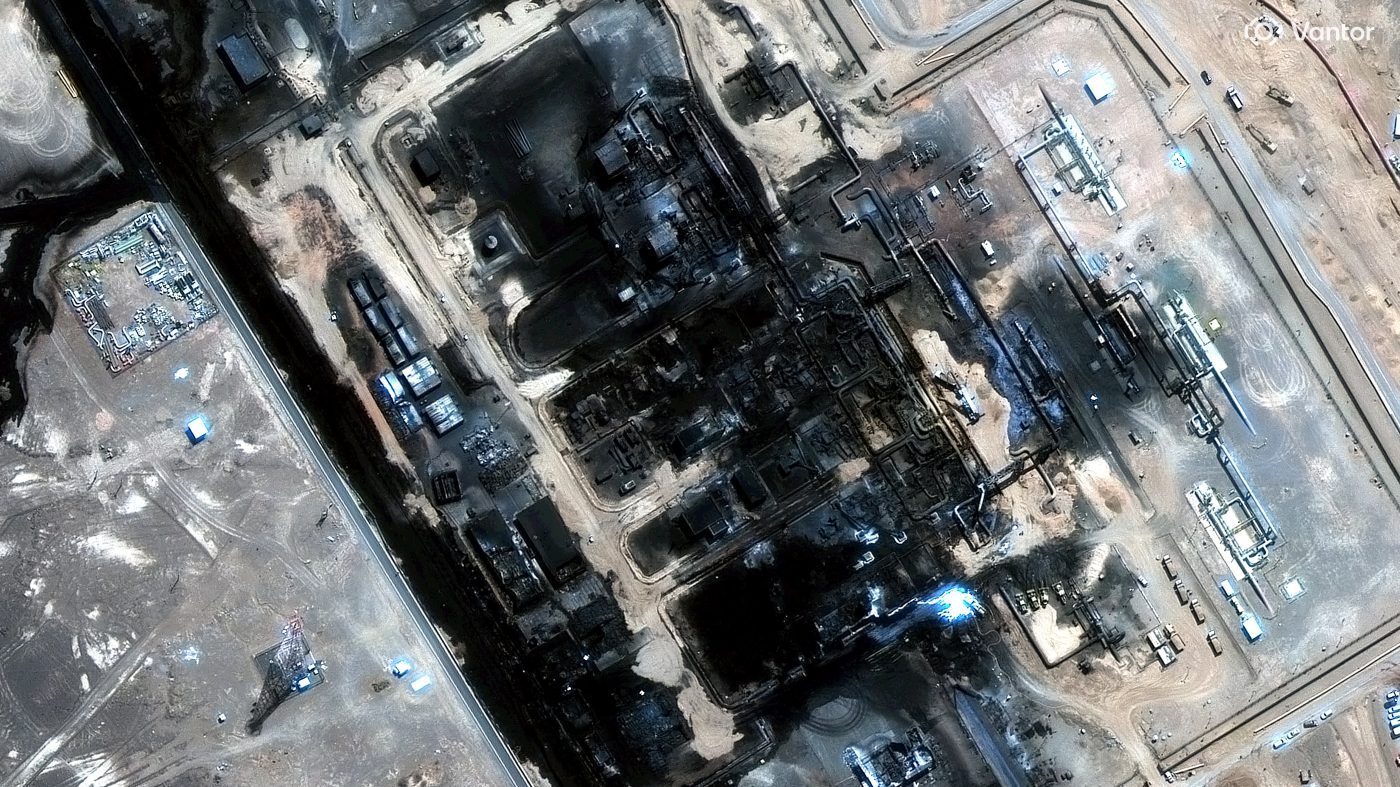
Natural gas prices have skyrocketed by more than 80%, impacting electricity generation, home heating, and manufacturing. The crisis extends to agricultural inputs, with rising fertilizer costs pressuring farmers and foreshadowing higher food prices for consumers. This cascade effect represents a direct channel for renewed inflationary pressure, threatening to undo recent progress.
Policy Dilemma and Global Slowdown
This resurgence of inflation presents a severe complication for the Federal Reserve. To combat rising prices, the central bank may be forced to maintain higher interest rates for a prolonged period, increasing borrowing costs for mortgages, auto loans, and credit cards. This tightens financial conditions precisely as growth is faltering.
The IMF forecasts a significant slowdown in global economic growth, potentially falling to around 2%. In this environment, businesses are likely to pull back on investment and hiring, increasing recession risks. The timing is particularly precarious, as the global economy had previously absorbed shocks from the pandemic, inflation spikes, and the war in Ukraine without collapsing. The Iran conflict, the IMF notes, has introduced a new and potent layer of uncertainty that markets and policymakers had not priced in.
Critically, the IMF emphasizes that the economic damage is already entrenched. Even a swift resolution to the hostilities would not reverse the price spikes, supply chain disruptions, and blow to business and consumer confidence that have already occurred. The global economy's trajectory has been fundamentally altered.
Asymmetric Impacts and Domestic Sentiment
The economic pain is not distributed evenly. While some energy-exporting nations, including Russia, may see short-term benefits from elevated oil prices, lower-income and import-dependent countries will bear the heaviest burden. The United States, while more insulated due to its domestic energy production, is not immune to these global forces.
This economic reality underpins the stark domestic polling. When Americans question whether the war is "worth it," they are increasingly measuring the answer not in geopolitical terms but in tangible economic ones: diminished purchasing power, tighter household budgets, and growing uncertainty. The conflict's costs are being felt in real time, moving from abstract foreign policy to concrete personal finance.
The situation underscores the complex diplomatic challenges ahead. As former officials warn that negotiations with Tehran could extend for years, the immediate economic fallout continues to build. The war's legacy will be tallied not only in strategic outcomes but in its persistent drag on global prosperity and stability.