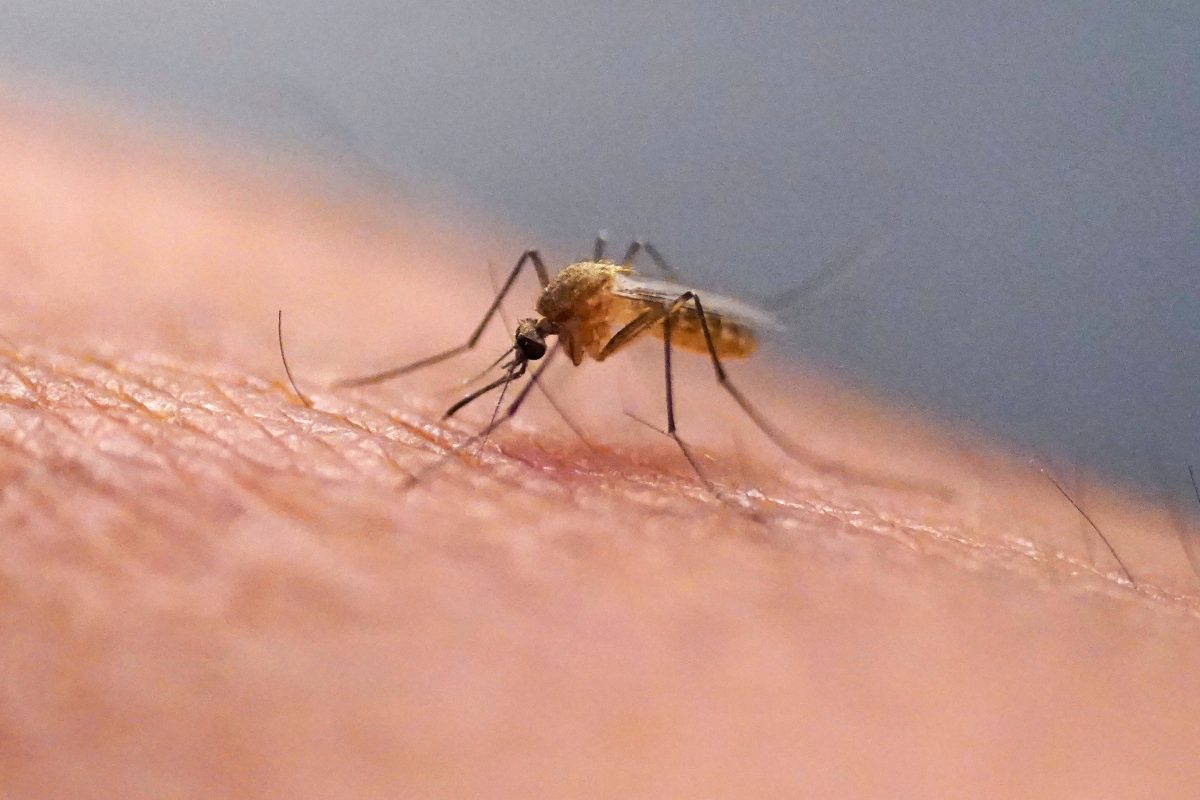
Google is seeking the green light from the Environmental Protection Agency (EPA) to release up to 32 million mosquitoes in California and Florida—a move that sounds like a software fix but is actually a biological intervention. The tech giant’s little-known “Debug” program proposes using sterile male mosquitoes to curb populations of disease-carrying species.
The project targets the Aedes aegypti mosquito, which the Centers for Disease Control calls the world’s deadliest animal. This single species transmits dengue fever, Zika virus, and chikungunya, sickening hundreds of millions annually. According to Google’s Debug website, current methods—pesticides and removing standing water—are falling short. Pesticides lose effectiveness over time and can be toxic, while people can never eliminate all breeding sites.

“We need a new approach,” the company states on its project page. The solution: releasing male mosquitoes infected with Wolbachia, a naturally occurring bacterium that renders them sterile. These males cannot bite or spread disease, but when they mate with wild females, no offspring are produced. Over time, the population of harmful mosquitoes declines.
“This technique uses a naturally occurring bacteria and uses no chemicals, no toxins and doesn’t involve genetic modification,” Google Debug scientists explain. They note that similar methods have been used safely for decades against other pests.
The company’s approach differs from past eradication efforts by leveraging data analytics, sensors, and automation to scale the Sterile Insect Technique. Google Debug says it works with national and local governments, community leaders, and research institutes, spending time in target communities to understand local concerns before any releases begin.
In the first year, Google plans to release up to 16 million mosquitoes in Florida. The second year would see another 16 million released in California. The EPA is reviewing the Experimental Use Permit applications under the Federal Insecticide, Fungicide and Rodenticide Act. Public comments can be submitted through the Federal eRulemaking Portal using docket number EPA-HQ-OPP-2025-3951.
The proposal arrives amid broader political shifts in both states. In California, Attorney General Xavier Becerra has surged to frontrunner status in the governor’s race after a rival dropped out. Meanwhile, Florida politics remain volatile, with recent controversies including a deputy dropping a ticket for a woman missing her right hand and a judge removing a Jewish DA from a vandalism case over antisemitism concerns. These local dynamics may shape public reception of Google’s mosquito plan.
Google’s Debug program has already conducted smaller trials in other countries. If approved, the California and Florida releases would mark the largest U.S. deployment to date. The company emphasizes that male mosquitoes pose no threat to humans, as they feed on nectar, not blood.