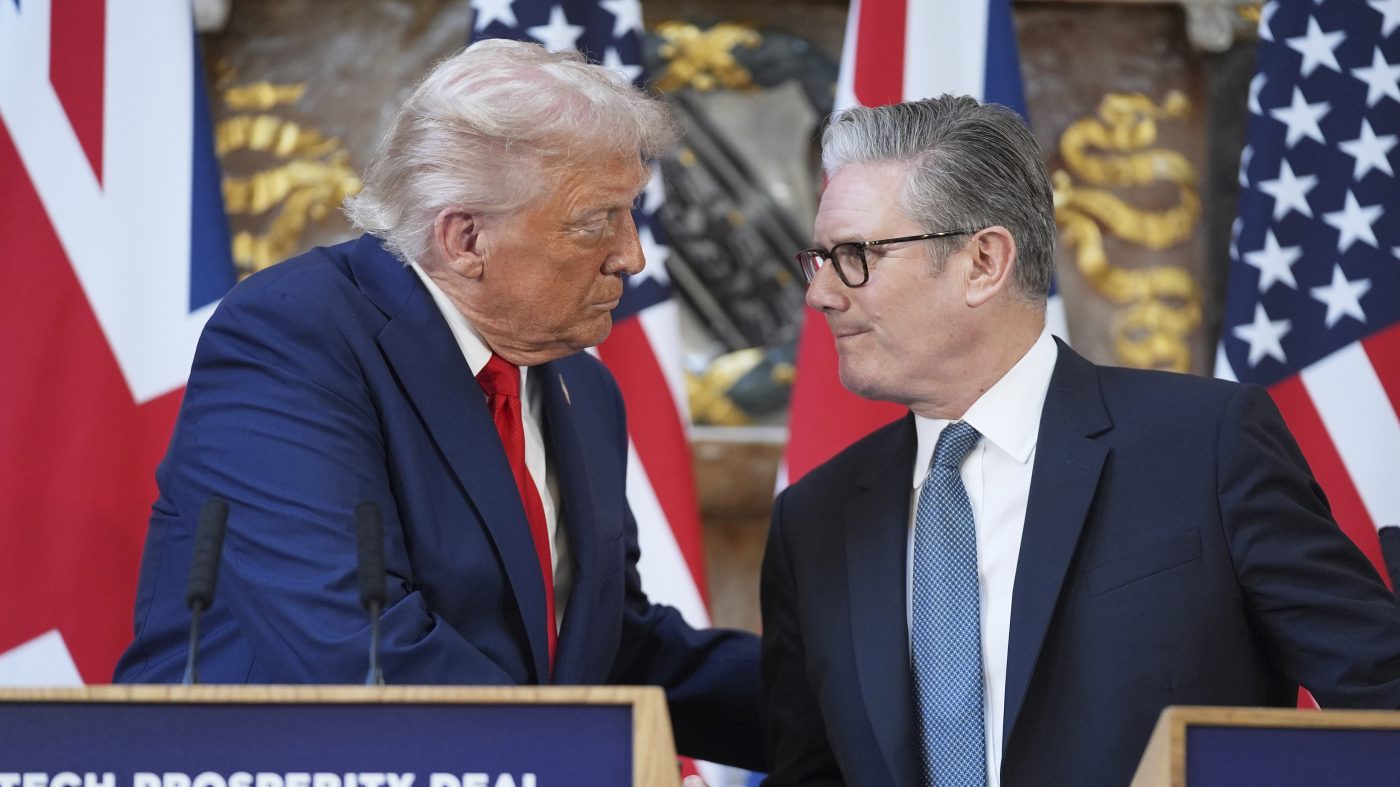
Former President Donald Trump intensified his ongoing dispute with the United Kingdom on Tuesday, publicly criticizing Prime Minister Keir Starmer's administration for its energy policies and its stance on the Iran conflict. In a series of posts on his Truth Social platform, Trump targeted Britain's decision to restrict new oil and gas drilling in the North Sea.
"Europe faces severe energy shortages, yet the United Kingdom will not tap the North Sea, one of the world's most significant reserves," Trump wrote. He described the policy as "tragic" and argued that areas like Aberdeen, Scotland, should be experiencing an economic boom from energy development. "Norway profits enormously by selling its North Sea oil to the UK at inflated prices," he continued. "The UK, better positioned geographically, should be drilling aggressively."
Trump concluded his energy critique with a signature flourish: "Drill, baby, drill!!! It's completely irrational that they don't... and no more windmills!" The statement reflects his longstanding opposition to wind energy and aligns with his "energy dominance" platform.
Broader Conflict Over Iran Policy
The energy criticism is intertwined with a deeper diplomatic rift. Trump has repeatedly expressed frustration with the Starmer government's refusal to support U.S. military actions against Iran, including a proposed blockade of the Strait of Hormuz. The UK's position has been a persistent source of tension, with Trump publicly testing Republican unity and global stability with his aggressive Iran rhetoric.
Last month, Trump offered the UK blunt advice regarding the strategic waterway: "First, purchase oil from the United States—we have ample supply. Second, muster some long-overdue courage, go to the Strait, and just take control." He added a stark warning about the future of the transatlantic alliance: "You must learn to fight your own battles. The United States will not always be there to assist you, just as you were not there for us."
Prime Minister Starmer addressed the Strait of Hormuz issue directly on Monday, following unsuccessful negotiations over the weekend. "Our efforts have focused on uniting nations to keep the Straits open for navigation, not to close them," he stated in an interview with the BBC, formally rejecting participation in any U.S.-led blockade. This refusal has placed Starmer under significant political pressure at home, as high oil prices and market instability caused by the Iran conflict strain the UK economy.
Political and Policy Repercussions
The dual-front attack from Trump—linking energy policy to security cooperation—creates a complex challenge for the Starmer government. Domestically, the Prime Minister faces calls to reconsider his moratorium on new North Sea licenses amid energy security concerns. Internationally, the public criticism from a leading U.S. presidential candidate and former president further complicates a key diplomatic relationship. This episode is part of a pattern of Trump targeting allied leaders, similar to his recent high-profile feud with Vatican officials that drew unusual commentary from political figures.
Trump's advocacy for maximalist fossil fuel development contrasts sharply with the UK's legislative commitments to net-zero emissions. His "drill, baby, drill" mantra also echoes his domestic policy priorities, where his administration is reportedly drafting executive orders on unrelated economic matters. Meanwhile, some analysts see strategic calculation in his combative approach; a former Biden security official has suggested there might be unexpected diplomatic value in Trump's hardline posture on Hormuz, even as it alarms allies.
The public broadside ensures that UK energy policy and its stance on Iran will remain contentious topics in both London and Washington. With Trump leading in polls for the Republican nomination, his capacity to roil international relations through social media commentary presents an ongoing challenge for allied governments navigating an unstable geopolitical landscape.