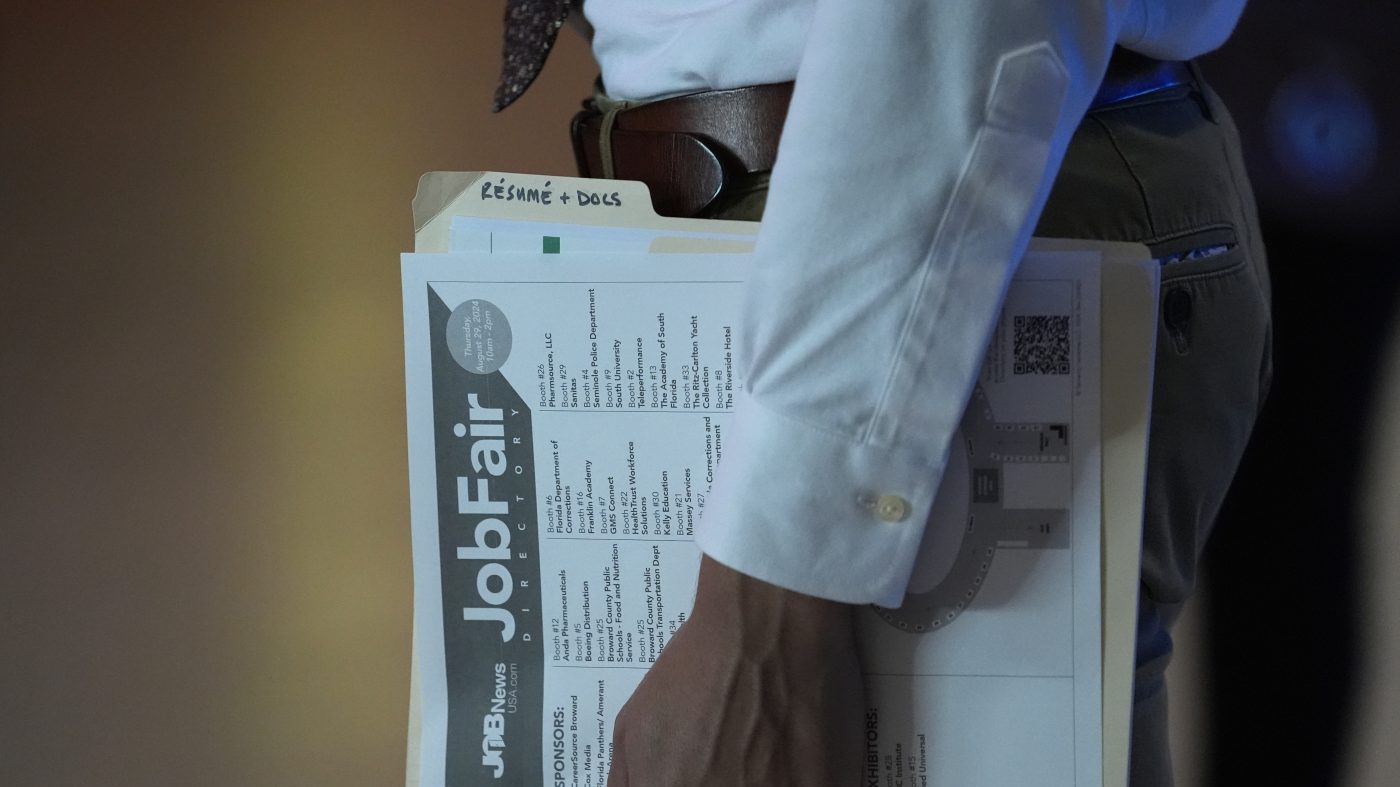
The U.S. labor market contracted in July, with employers shedding 23,000 jobs, according to data released Friday by the Bureau of Labor Statistics. The unemployment rate edged down to 4.1 percent, a slight improvement from the prior month’s 4.2 percent, but the overall picture fell short of economist predictions, which had anticipated a gain of 83,000 positions.
The disappointing figures follow a similarly weak June report, which initially showed only 57,000 jobs added—well below the 110,000 forecast. Revised data released Friday painted an even bleaker picture: May’s job gains were cut from 129,000 to 63,000, and June’s were trimmed to just 20,000. Combined, the downward revisions totaled 103,000 jobs, signaling a steeper slowdown than previously understood.
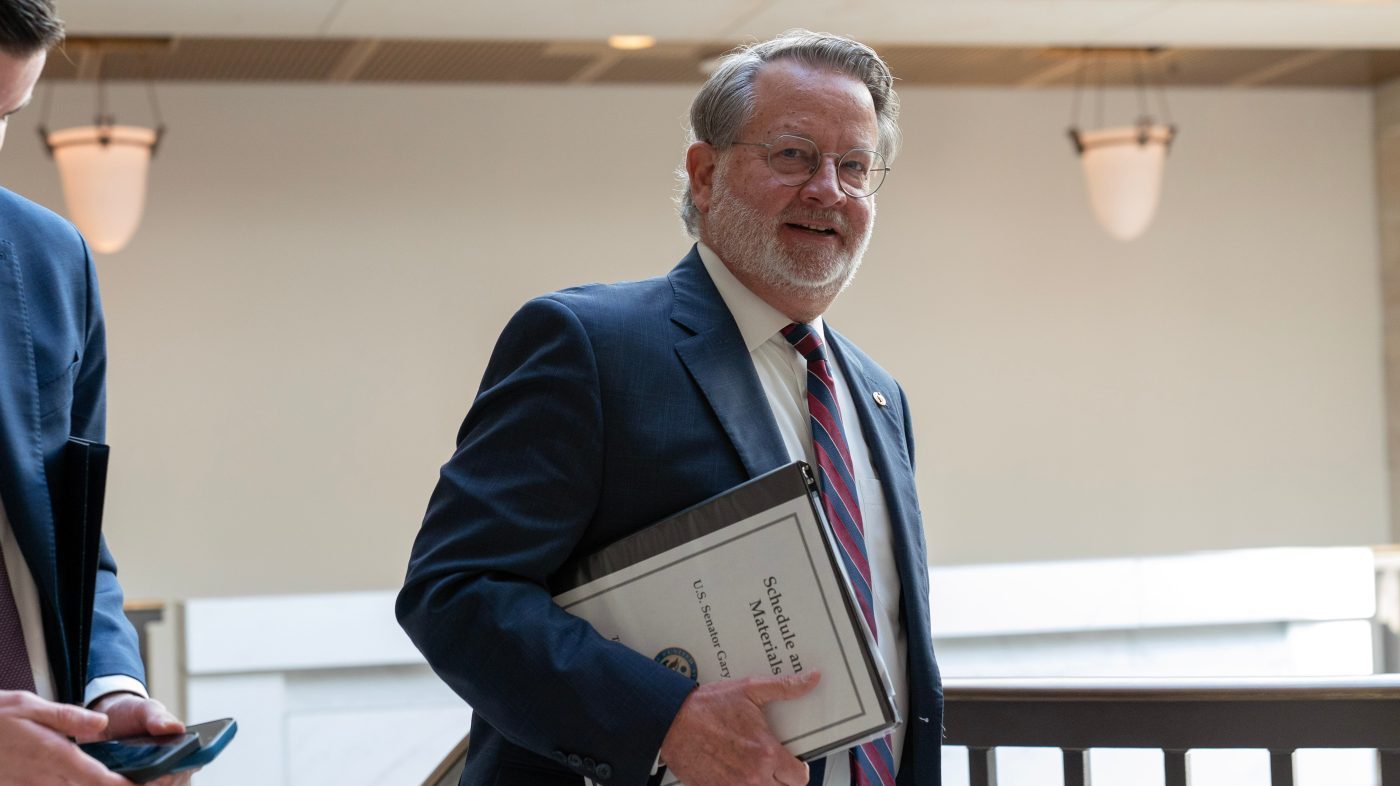
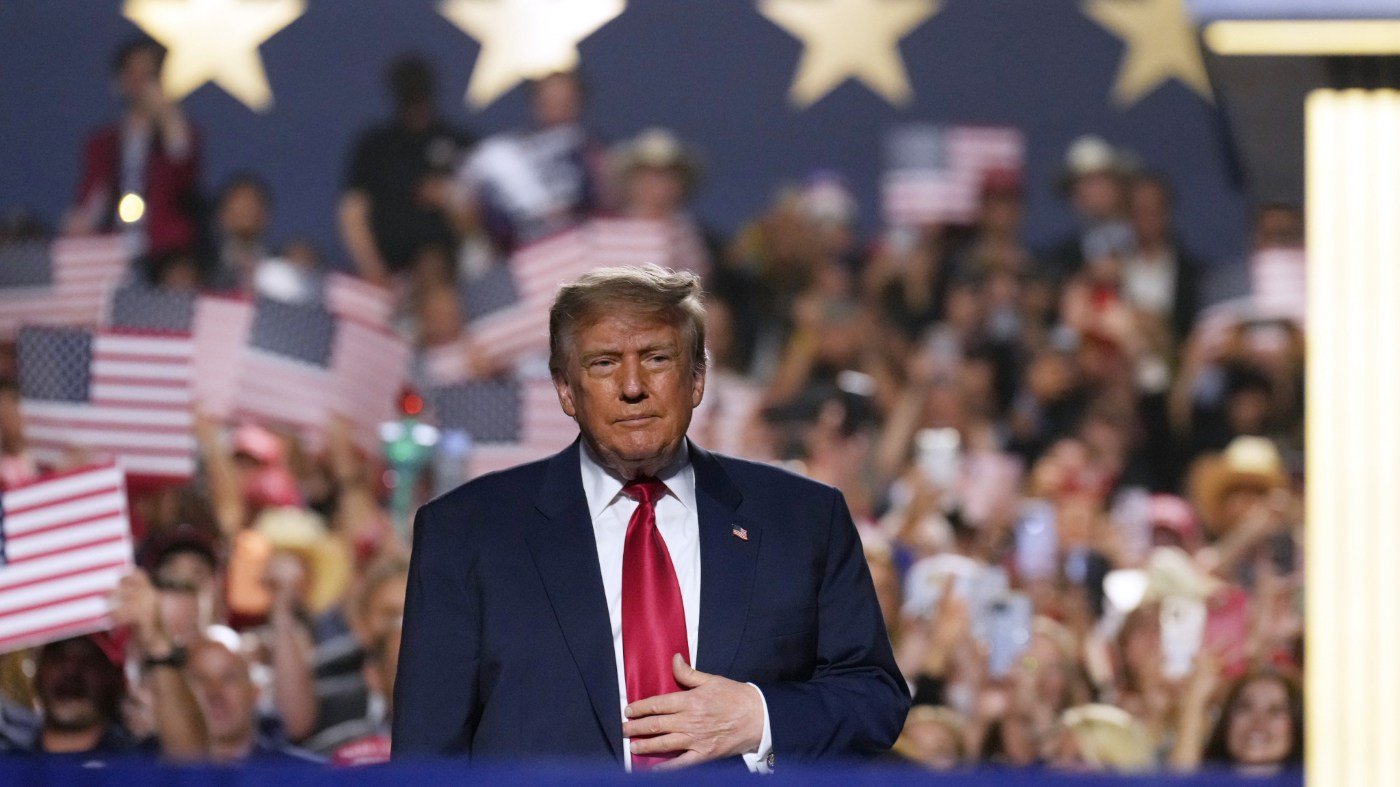
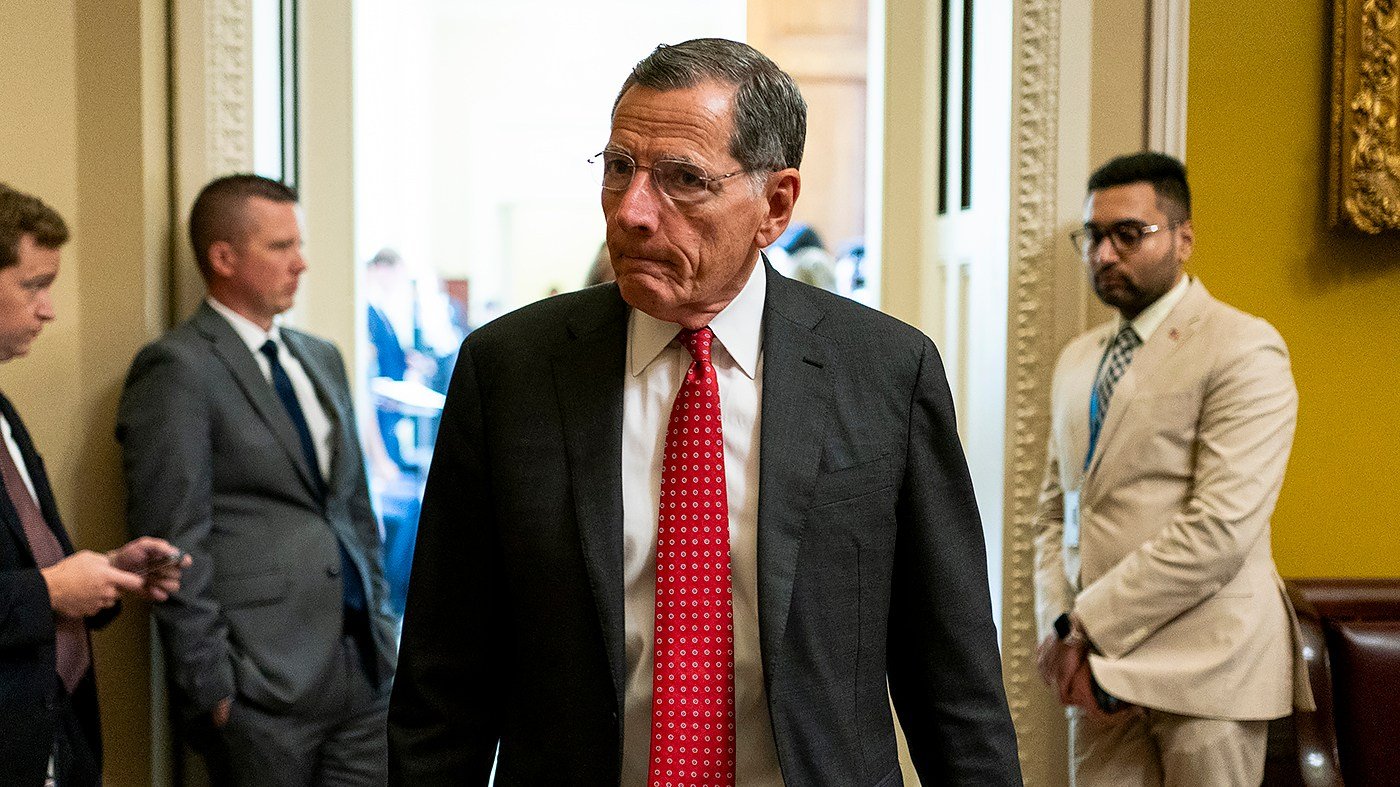
The report lands as the White House and Republican leaders confront persistent inflation and a sluggish economy, with the midterm elections just three months away. Affordability has become a central campaign issue, and the latest jobs numbers are likely to intensify scrutiny of the administration’s economic stewardship. Recent polling suggests Democrats have taken a narrow lead over Republicans on economic trust, but the new data could shift that dynamic.
Inflation, as measured by the Federal Reserve’s preferred gauge—the personal consumption expenditures price index—eased to 3.7 percent in June, down from a three-year high of 4.1 percent in May. That decline was partly attributed to a temporary ceasefire with Iran, which had raised hopes for increased oil shipments through the Strait of Hormuz. However, hostilities resumed in early July, and the outlook for energy prices remains uncertain. Analysts are watching whether the truce can be restored, especially after Iran released a U.S. citizen amid rising tensions.
The broader economy also showed signs of cooling in the second quarter. Gross domestic product grew at an annualized rate of 1.5 percent, down from 2.1 percent in the first three months of the year. That deceleration, combined with the weak jobs report, raises concerns about the durability of the expansion.
At its mid-July meeting, the Federal Reserve voted 9-3 to hold interest rates steady, marking the fifth consecutive pause. The decision came despite pressure from President Trump on new Fed Chair Kevin Warsh to cut rates. Warsh defended the central bank’s stance, citing the economy’s “impressive resilience” in the face of “recent shocks” and reiterating the Fed’s commitment to returning inflation to its 2 percent target. His position has drawn criticism from some lawmakers, and he is expected to face tough questioning in an upcoming House grilling over the Fed’s policies.
The jobs report also comes amid broader political turmoil, including another defeat for a Trump-endorsed candidate in a Tennessee primary, which could signal waning influence of the former president’s backing. Meanwhile, the administration continues to navigate international disputes, such as the visa spat with Brazil that has implications for diplomatic relations.
Economists are now watching to see whether the labor market’s weakness is a temporary blip or the start of a more pronounced downturn. The upcoming months will be critical, as the Fed balances its inflation fight against the risk of tipping the economy into recession. For now, the July figures underscore the challenges facing policymakers on multiple fronts.