Voters in Tennessee delivered a rebuke to President Trump on Thursday, rejecting his endorsed candidate in a key House primary. Rep. Andy Ogles, a second-term Republican, was defeated by Charlie Hatcher, a former state agriculture commissioner who had the backing of outgoing Gov. Bill Lee. The outcome adds another blemish to Trump's otherwise strong endorsement record this cycle, following a similar loss in Michigan earlier in the week.
Hatcher's victory in the newly drawn 5th Congressional District is a significant development, as the seat was reshaped under a GOP-friendly redistricting plan that split Shelby County, home to Memphis, into three districts. The new map, which was approved this spring, was designed to give Republicans a 9-0 edge in the state's House delegation, but it also created a competitive primary that drew national attention.
Trump had personally campaigned for Ogles, participating in a tele-rally in late July where he called the congressman "a terrific guy." Despite that support, Ogles faced a well-funded challenge from Hatcher, who was backed by over $2 million in outside spending from the Invest in Tomorrow Coalition, a group aligned with the clean energy sector. The investment appears to have paid off, as Hatcher is now projected to secure the GOP nomination, according to Decision Desk HQ.
Ogles' campaign had been dogged by controversy, including past remarks that drew widespread criticism. In March, he said that "Muslims don't belong in American society," and in June, he posted that "homosexuality has no place in America." Ogles later attributed the June post to a communications staffer, calling it "stupid, hurtful and a complete distraction from my America First focus." He also faced a Justice Department investigation into his campaign finances, which was dropped in May.
Redistricting reshapes Tennessee's political landscape
The new congressional map has fundamentally altered the electoral calculus in Tennessee. Shelby County, once a Democratic stronghold, is now split across the 5th, 8th, and 9th Districts, all of which are rated as solidly Republican by the Cook Political Report. This move, which came after the Supreme Court's decision to dismantle part of the Voting Rights Act, has diluted Democratic voting power in the region.
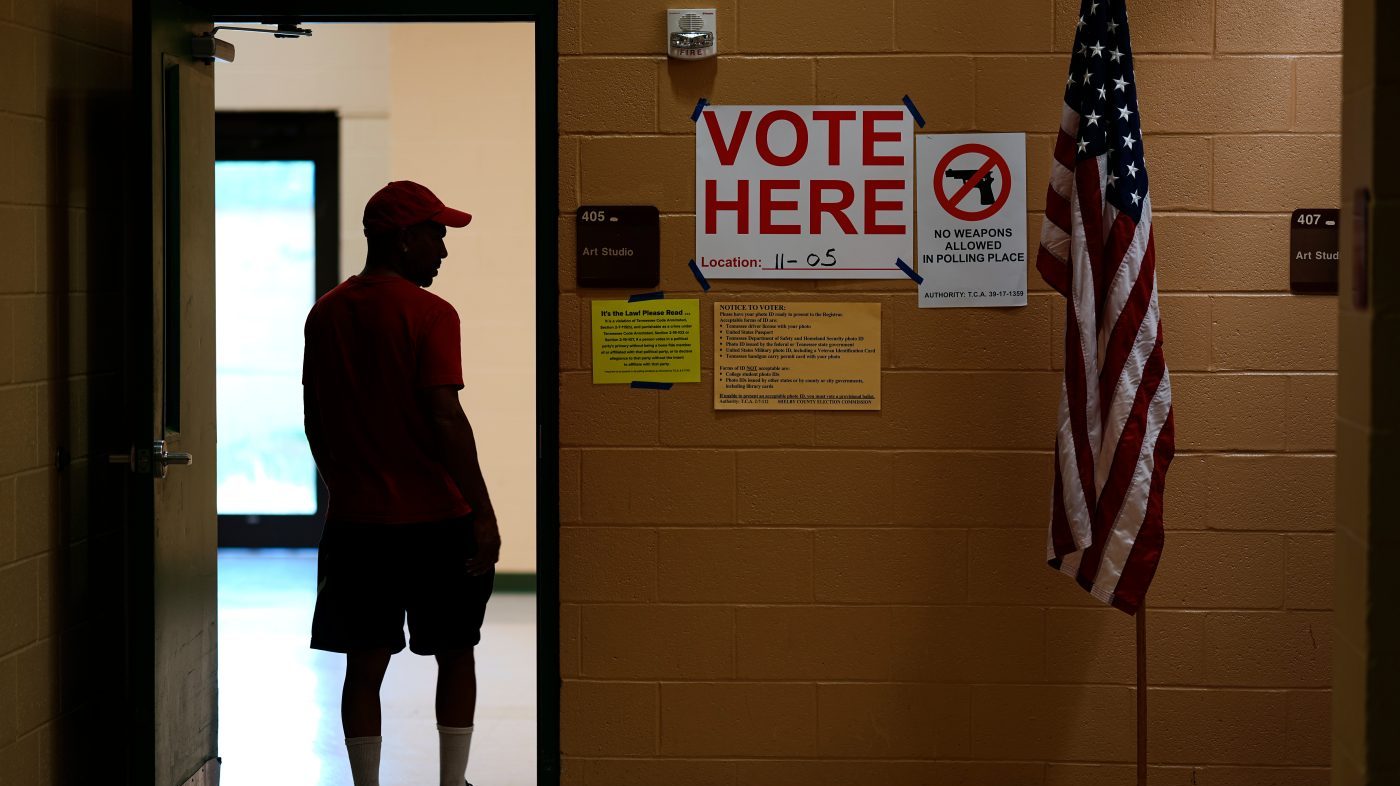
Despite these changes, early voting in Shelby County surged, with over 90,000 residents casting ballots—a 4 percent increase from 2022. Democrats turned out at more than twice the rate of Republicans, with over 61,000 Democratic ballots compared to nearly 28,000 Republican ones. This engagement suggests that voters are paying close attention to the new district lines and the races they will shape.
In the 9th District, which was previously held by Democratic Rep. Steve Cohen, Republican state Sen. Brent Taylor and Democratic state Rep. Justin Pearson won their respective primaries and will face off in November. Meanwhile, in the 5th District, Hatcher is set to run against Columbia Mayor Chaz Molder, who won the Democratic primary. Molder's campaign has focused on local issues and could benefit from the district's new composition.
Blackburn makes history in governor's race
Sen. Marsha Blackburn is on track to become Tennessee's first female governor after winning the GOP primary on Thursday. Blackburn defeated Rep. John Rose and state Rep. Monty Fritts, positioning herself as the frontrunner in the general election. Her victory was widely expected, given her name recognition and fundraising advantage, but it also signals a continued alignment with Trump's political brand in the state.
The race for governor will now shift to the general election, where Blackburn will face the Democratic nominee. Her campaign has emphasized conservative priorities, including border security and economic growth, and she is likely to benefit from the state's Republican lean.
Thursday's primaries also set up a potential rematch in the Senate race, with incumbent Sen. Bill Hagerty and Democratic challenger Marquita Bradshaw advancing to the general election. That contest will be closely watched as a bellwether for the national political climate.
Overall, the Tennessee primaries underscored the ongoing tensions within the Republican Party, as Trump's endorsement power faces challenges from local dynamics and outside spending. The results also highlighted the impact of redistricting on electoral outcomes, a trend that will likely continue as other states redraw their maps.