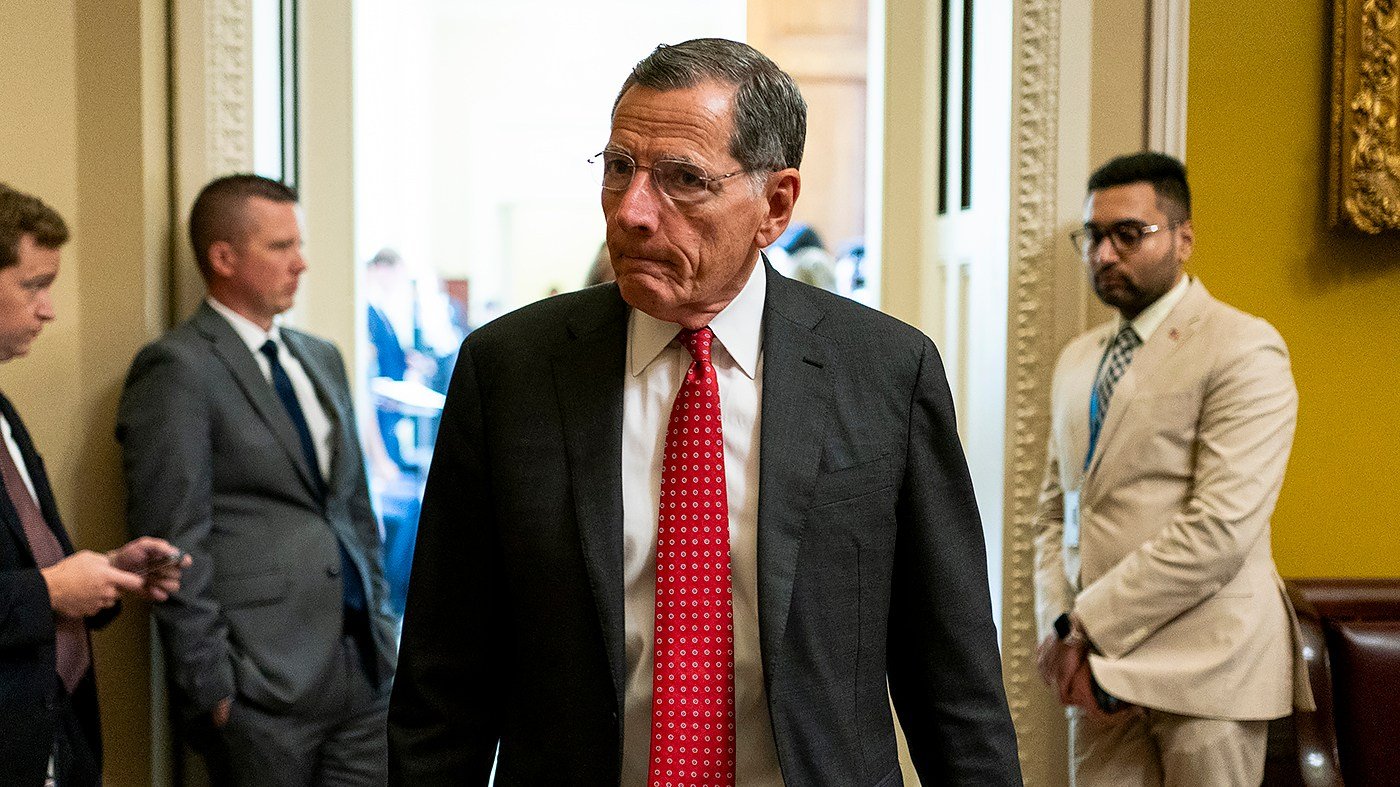
At the Republican Midterm Convention, Sen. Tim Scott (R-S.C.) delivered a blistering address, labeling Democratic candidates as "extreme" and warning that their ascent would "rip the heart out of our chests." The rhetoric was so intense that the following morning, Rev. Al Sharpton on Morning Joe invited his co-hosts to join hands in prayer for the senator's composure.
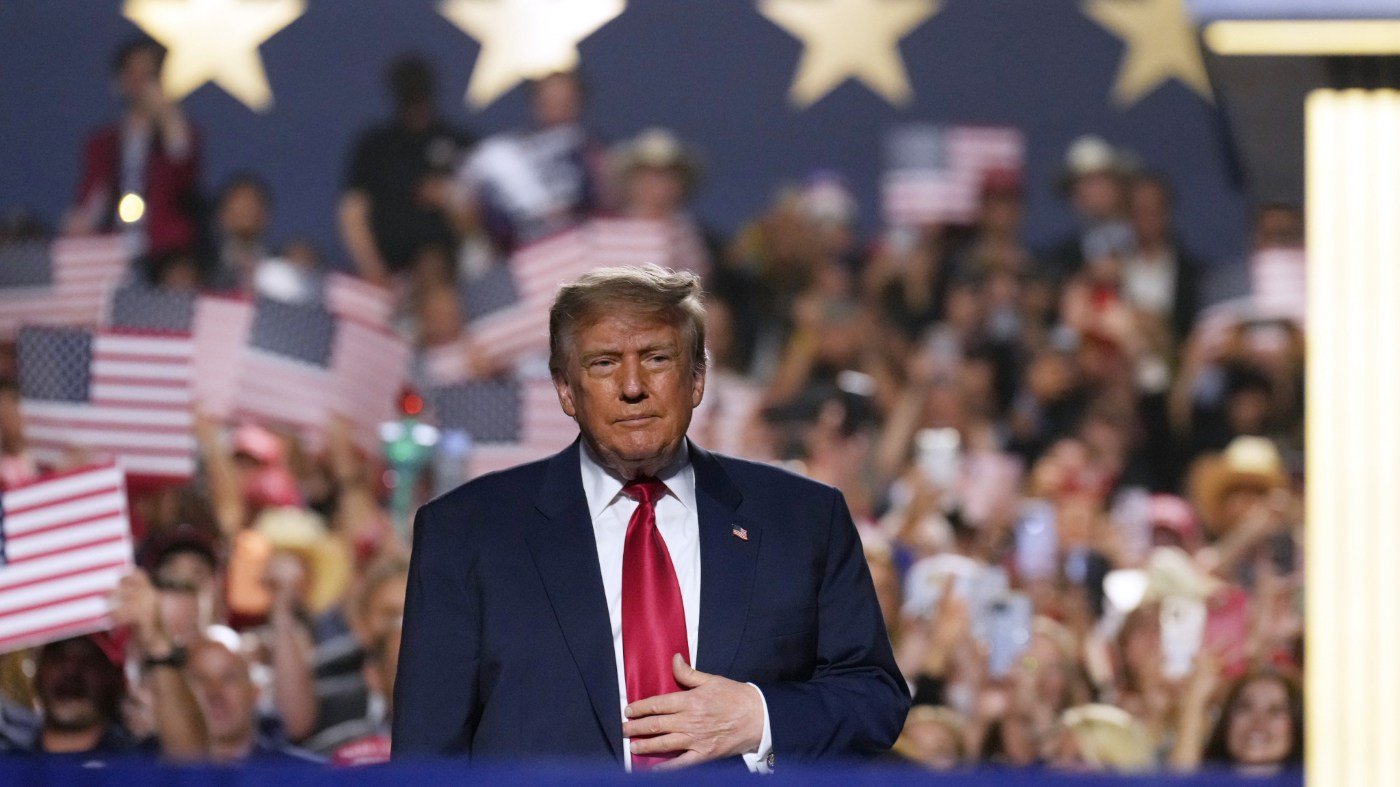
Scott was not alone in stoking fear. President Trump, in a nearly two-hour speech, characterized Democrats as "radical left communists" and "crazed lunatics," echoing a tactic with deep roots in American politics. Richard Nixon once remarked, "People react to fear, not love," a sentiment that has guided many campaigns.
A History of Fear in American Elections
For nearly four decades, fear has been a central theme. In 1992, 57% of voters felt concerned or scared about Bill Clinton's election. Similar emotions followed George W. Bush's 2000 victory (over half), Barack Obama's 2008 win (24%), and Trump's 2016 triumph (57%). This persistent anxiety has hindered unity and limited legislative achievements, despite promises from presidents like Bush, Obama, and Biden to bridge divides.
The fear-based approach escalated with Clinton, the first Baby Boomer president, reigniting culture wars over abortion, gay rights, and family values. Obama's election marked a multicultural shift, but Republicans, led by Trump, fueled doubts about his birthplace and religion. Only after 9/11 did the nation briefly unite, but that solidarity faded with the wars in Afghanistan and Iraq.
Trump's Fear Tactics Losing Grip
Trump has thrived on fear of "the other"—immigrants, minorities, and economic decline. However, his recent attempts to paint Democrats as socialists are failing to resonate. Voters are more concerned with inflation at gas pumps and grocery stores than with ideological labels.
Instead of fear, Americans are expressing exhaustion—from violence against minorities, tightening budgets, a government favoring the wealthy, and the daily chaos of the Trump administration. This fatigue is creating unexpected opportunities for Democrats in traditionally safe Republican districts.
Competitive Races Emerge in GOP Strongholds
In Florida's 11th Congressional District, a 7-point Trump stronghold, Democratic nominee James Pericola—a former student of the author—is running on protecting Social Security and Medicare, offering a "common sense" approach. His opponent, Republican Joe Strada, a wealthy businessman, pledges to "stand with Trump." Internal polling shows a 1-point race, a shift from the district's "solid Republican" status.
Pericola notes that voters are tired of candidates "who duck tough questions and sell people out to enrich themselves and score political points." Similar dynamics are unfolding in other long-ignored districts, suggesting a potential blue wave that could become a tsunami, upending the political landscape.
After three decades of fear-mongering, Americans are longing for change. The Trump Show may finally be drawing to a close, as voters seek leaders who address their daily concerns rather than stoke division. For more on the shifting political climate, see a roadmap for repairing democracy and shifts in public opinion on press freedom.
John Kenneth White is a professor emeritus at the Catholic University of America and writes on Substack. His latest book, coauthored with Matthew R. Kerbel, is titled "Democracy on the Edge: The Trump Elections and the Future of American Politics."