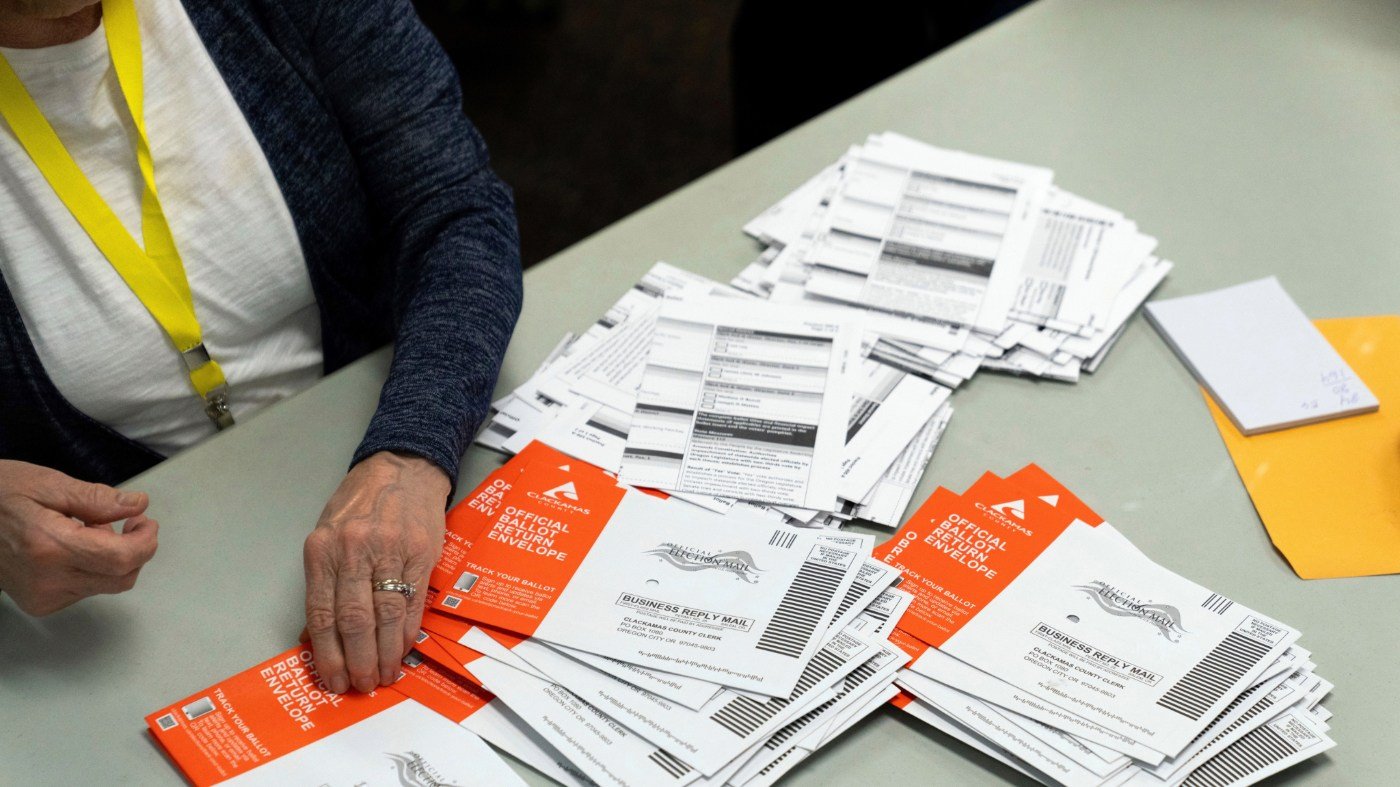
The Supreme Court last week delivered a critical rebuke to President Trump's efforts to manipulate the U.S. Postal Service as a tool for election interference, declining to allow his administration to impose last-minute changes that election officials from both parties warned would cause massive disruption and disenfranchisement.
The ruling, which should have been unanimous, came as several states had already begun mailing ballots and others had finalized their election materials. The Postal Service had not even established the portal that states were supposed to use to submit lists of citizens, which under Trump's unconstitutional order would have determined which ballots to deliver. Justices Samuel Alito and Clarence Thomas dissented, seemingly willing to let the administration impose chaotic changes that both Republican and Democratic election officials said would undermine the integrity of the vote.
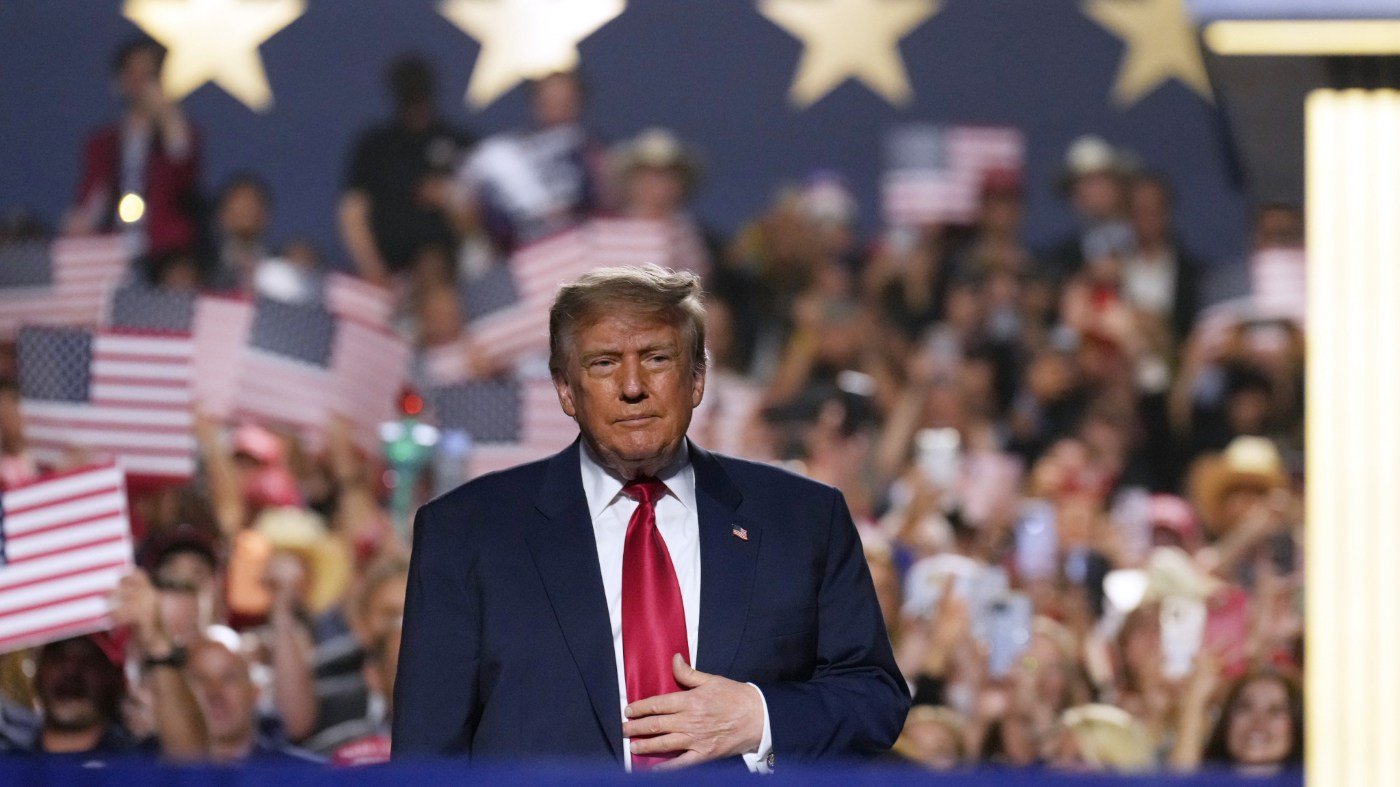
Trump's reaction was predictably erratic, lashing out at the justices he appointed, accusing them of caving to the “Radical Left” and claiming they are “merely a shell of their original selves.” His outburst underscores a broader pattern of attempting to delegitimize the electoral process, a strategy that has intensified as his unpopularity threatens Republican control of Congress.
This latest move is part of a wider campaign to rig the midterms in favor of Republicans, according to critics. Trump has repeatedly claimed that Democrats can only win through cheating, sowing doubt about the fairness of the upcoming elections. In August, Homeland Security Secretary Markwayne Mullin hinted at another potential avenue of attack by warning that Chinese-made components in election machines pose “significant security risks.” Given Trump's history of baseless claims about foreign interference and vote-flipping algorithms in 2020, experts fear similar disinformation campaigns targeting voting machines this fall.
Election officials, voting rights groups, and legal organizations are on high alert, having witnessed the Trump team's willingness to overturn results they lose. “We know what we're up against,” said Svante Myrick, president of People For the American Way. “We will not be surprised by any skullduggery they attempt before, on, or after Election Day.”
Trump's behavior has grown increasingly erratic, and his rhetoric is often divorced from reality. His latest ploy to keep Congress in Republican hands involves promising $5,000 to every American adult if the GOP retains both chambers. The bribe, which he claims is feasible because the country is “making so much money,” is laughable given the multi-trillion-dollar deficit his administration is running. Few believe him, especially since he previously promised thousands of dollars in so-called DOGE and tariff dividends that never materialized. Instead, Americans have faced higher gas prices and a higher cost of living directly linked to his reckless policies.
His desperate and dishonest offer reflects a broader strategy of distraction and fear-mongering. Polling suggests voters are increasingly unlikely to fall for his trust-me bluster. As Myrick notes, “Americans know Trump's $5,000 check is not in the mail. It will never be in the mail. But now that Trump's plans to disrupt voting have been rejected, our ballots may be.”
With Election Day set for November 3, voters have multiple options to cast their ballots: by mail, drop box, early in-person, or at their polling place. The stakes are high, and the call is to vote for accountability, affordability, and an end to the Trump regime's chokehold on the country. The future of American democracy may well depend on it.