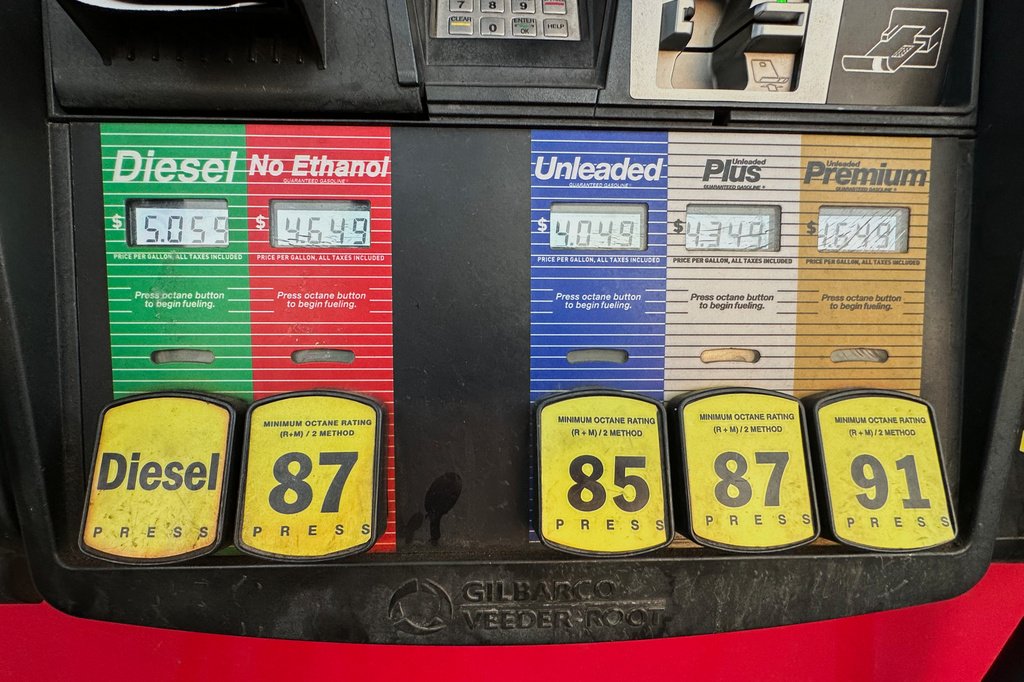
The brief relief at the pump earlier this month has evaporated. The national average for regular gasoline now stands at $4.06, according to AAA—a level that is unusually high for late August, when prices typically begin their seasonal decline. In fact, petroleum analyst Patrick De Haan noted last week that gas has never been this expensive this late into the summer.
The renewed upward pressure is largely the result of two ongoing international conflicts. While the Iran War has kept crude prices elevated, De Haan said an escalation elsewhere is making things even tougher for diesel users. “Diesel felt the pressure even more acutely, rising in all but a few states, as Ukraine’s attacks on Russian refining infrastructure continue to impact refined product prices more than crude oil itself,” he explained.
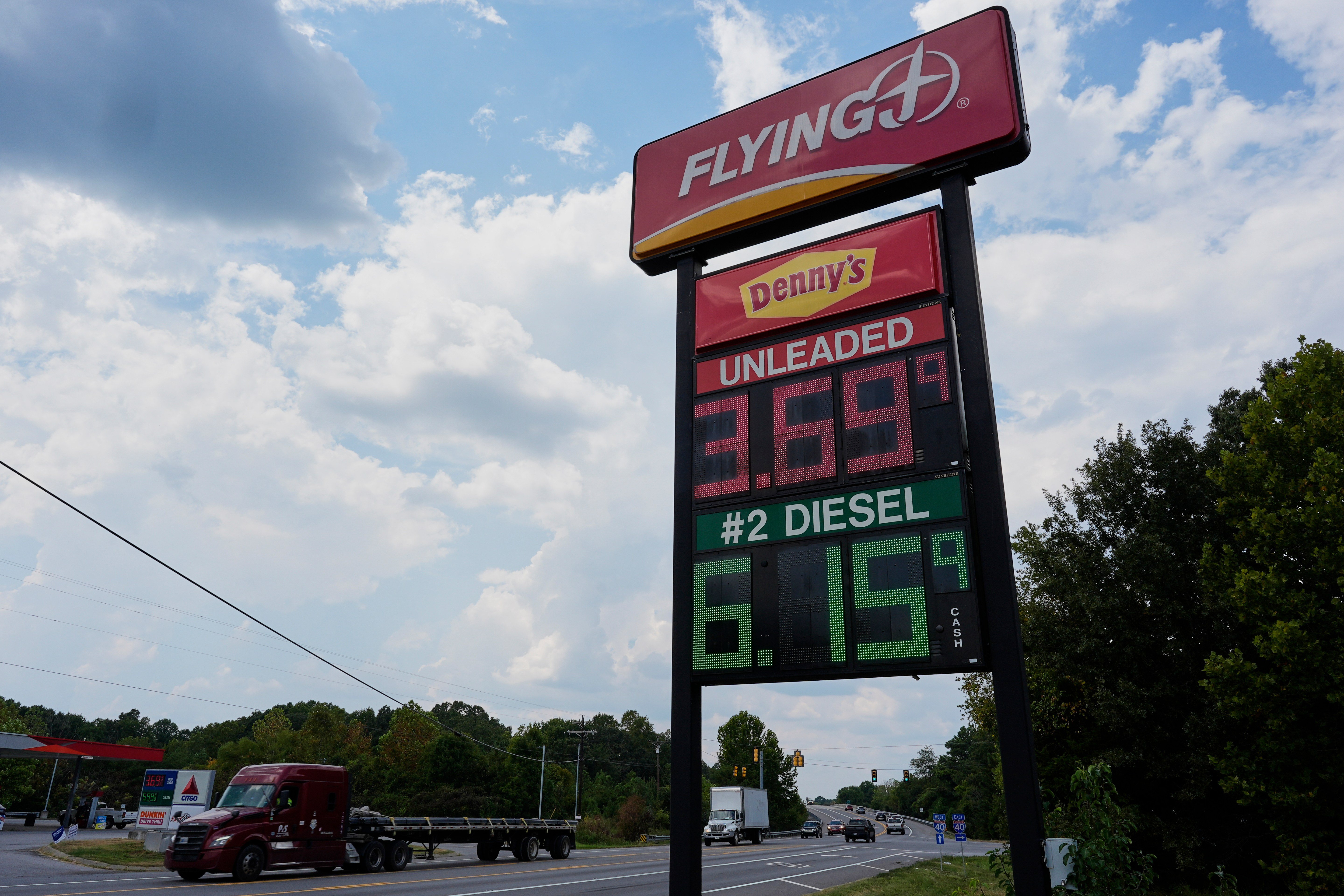
Diesel’s pain is particularly significant because it moves the economy. Although the number of diesel-powered passenger cars has dwindled, there were still more than 7 million registered light-duty diesel vehicles in 2025—outpacing the roughly 5.7 million electric vehicles on U.S. roads, according to the Department of Energy. More critically, diesel accounts for about 22% of all energy used in the transportation sector, powering most trucks, construction equipment, and farm machinery, per the Energy Information Administration.
Where Prices Hurt Most
As of Monday, drivers in several states are facing well above-average costs. In California, Hawaii, and Washington, a gallon of regular easily tops $5. Diesel is even worse, nearing $7 in parts of the country. According to AAA data, the states with gas prices above the national average include:
- California: Regular $5.58, Diesel $6.95
- Hawaii: Regular $5.43, Diesel $6.96
- Washington: Regular $5.19, Diesel $6.21
- Alaska: Regular $4.84, Diesel $5.49
- Nevada: Regular $4.77, Diesel $5.71
- Oregon: Regular $4.71, Diesel $5.54
- Idaho: Regular $4.42, Diesel $5.42
- Arizona: Regular $4.41, Diesel $5.61
- Montana: Regular $4.33, Diesel $5.26
- Illinois: Regular $4.31, Diesel $5.46
- Colorado: Regular $4.31, Diesel $5.57
- Utah: Regular $4.28, Diesel $5.33
- Wyoming: Regular $4.25, Diesel $5.38
- Michigan: Regular $4.25, Diesel $5.48
- Ohio: Regular $4.22, Diesel $5.43
- New York: Regular $4.13, Diesel $5.62
- Vermont: Regular $4.11, Diesel $5.47
- Pennsylvania: Regular $4.07, Diesel $5.71
Washington, D.C., also sees regular averaging $4.22, above the national figure.
No Relief in Sight
De Haan’s outlook is grim. “While the seasonal transition to cheaper winter-blend gasoline in the coming month could bring some relief, the two dominant challenges facing motorists—the closed Strait and the ongoing refinery strikes—show no signs of resolving anytime soon,” he said. “Until they do, the path for gas and diesel prices remains tilted to the upside.”
The record-high mid-August prices are a direct consequence of the Strait of Hormuz closure, which has disrupted global oil flows. Meanwhile, the administration’s push to reopen a shuttered refinery in St. Croix is seen as a potential long-term fix, but not an immediate one.
For diesel drivers, the situation is especially acute. The recent strikes against Iran-backed militias have added to supply fears, and oil price volatility remains high. With no end to the conflicts in sight, motorists should brace for more pain at the pump.