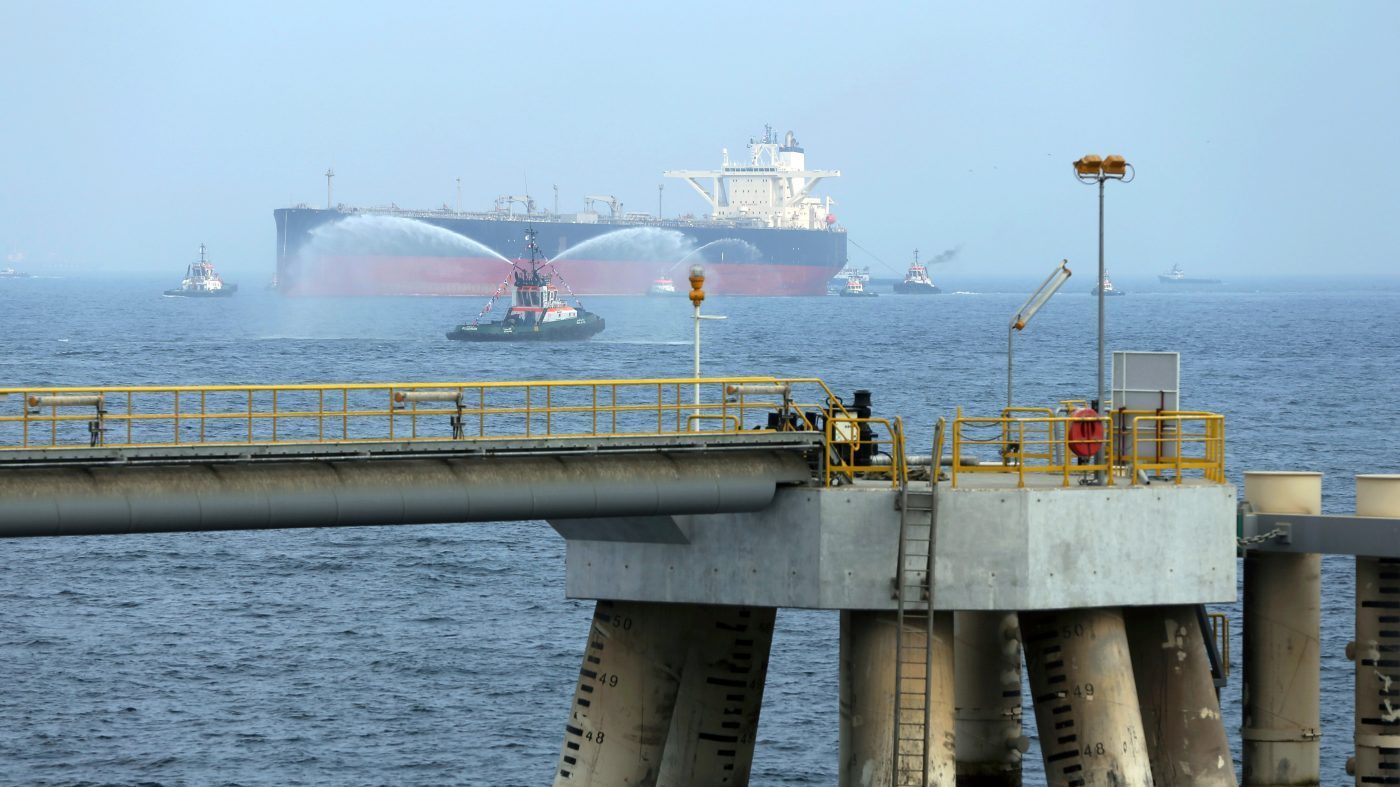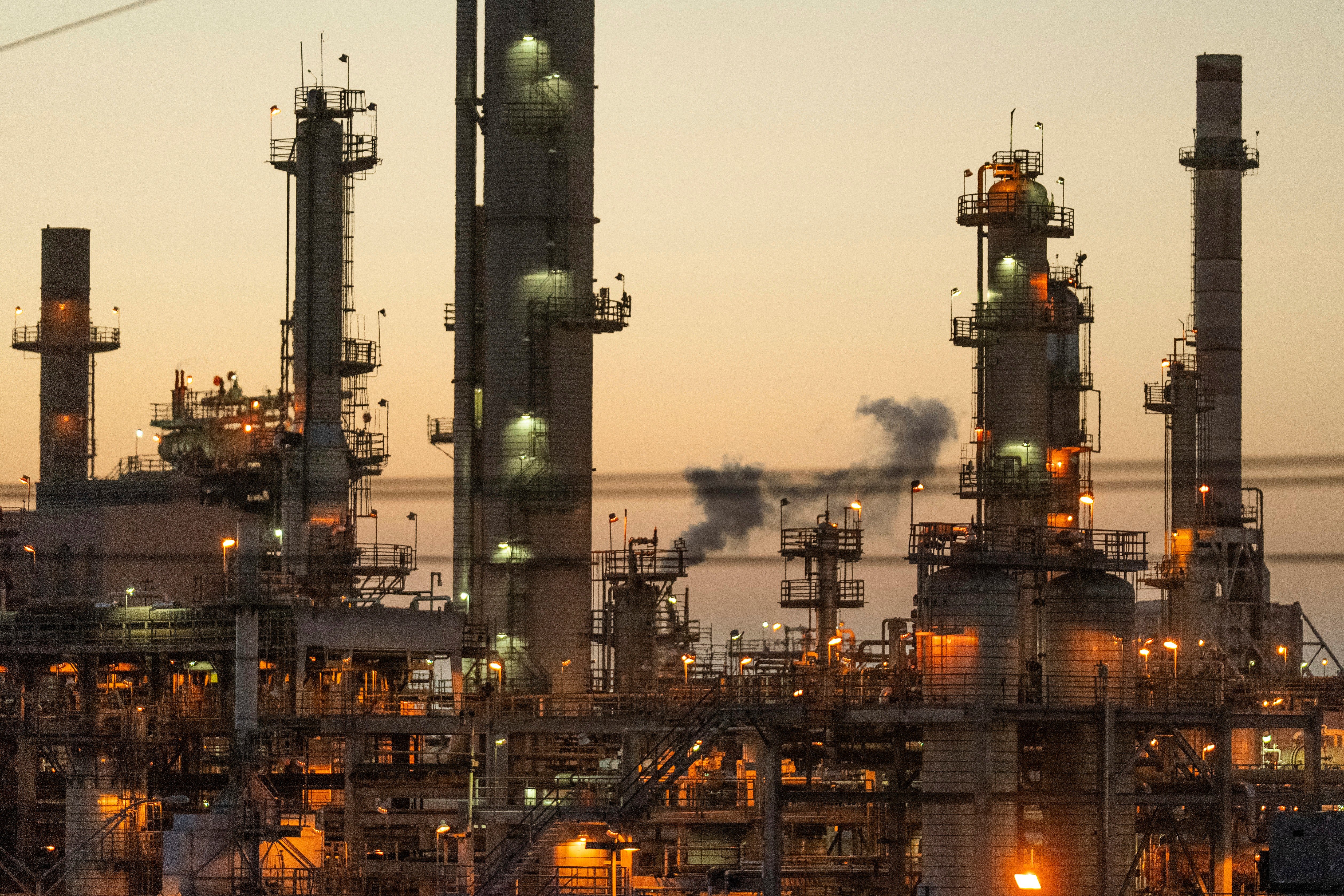
The White House is actively exploring the reopening of dormant oil refineries across the United States, with a particular focus on a controversial facility in the U.S. Virgin Islands, as the ongoing conflict in Iran continues to push gasoline prices higher. A Trump administration official confirmed to The Hill on Thursday that the president's team is eager to see refineries nationwide resume operations, singling out the St. Croix plant as a top priority.
According to the official, the St. Croix refinery holds strategic value because it was originally designed to process Venezuelan crude oil and sits in a geopolitically advantageous location in the Caribbean. Interest from private companies has surged since April 2025, the official added, especially after the capture of Venezuelan leader Nicolás Maduro and the subsequent U.S. takeover of the country's energy infrastructure.

The push to revive idled refineries—first reported by Politico—has involved discussions with at least three industry executives, who told the outlet that White House officials have broached the topic for facilities ranging from the Virgin Islands to California. This aligns with broader administration efforts to boost domestic energy output, including recent moves to jumpstart the nuclear power sector through executive orders.
In a statement, White House spokesperson Taylor Rogers framed the initiative as a national security imperative. “Energy security is national security, and America’s refining capacity is essential to ensuring the United States has continuous access to secure, affordable, and reliable energy,” Rogers said. He added that the President's National Energy Dominance Council will continue to support both the reopening of shuttered refineries and the construction of new ones “to lower prices and strengthen our national security.”
The urgency stems from persistent pain at the pump. As of Thursday, the average U.S. gas price stood at roughly $4.10 per gallon, according to AAA—more than a dollar higher than before the war with Iran erupted earlier this year. While crude oil prices are the primary driver of gasoline costs, refinery capacity constraints have exacerbated the spike.
The St. Croix refinery, which shut down indefinitely in 2021, has a troubled history. Its closure followed an emergency order from the Environmental Protection Agency, which mandated a 60-day shutdown after determining that the plant's oil spills and air pollution posed an “imminent risk to public health.” Any restart would likely require significant environmental remediation and regulatory approvals.
Industry analysts note that reopening idled refineries is no simple task. Facilities like St. Croix often need substantial capital investment to meet modern safety and emissions standards, and the timeline for bringing them back online can stretch months or years. Still, the administration appears undeterred, viewing the move as a way to counter the inflationary pressures of the Iran conflict.
The White House's focus on refining capacity comes amid broader energy policy debates, including internal GOP maneuvering on key nominations and shifting dynamics on the Ukraine and Iran battlefronts. For now, the administration is betting that reviving mothballed refineries can deliver immediate relief to voters grappling with high fuel costs.