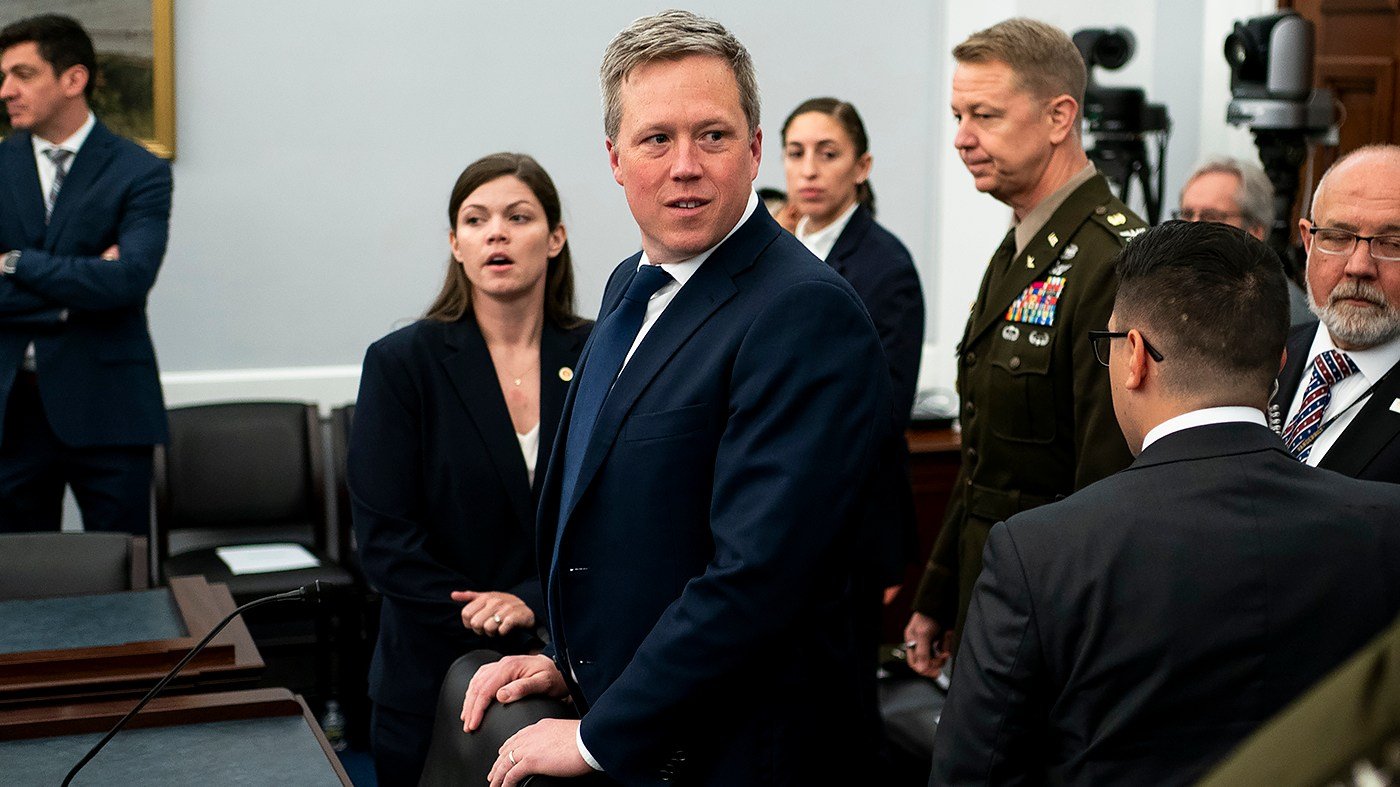
Former Army Secretary Dan Driscoll made his first public appearance since resigning from the Pentagon in August, speaking at the Yalta European Strategy forum in Ukraine. On a panel with former Google CEO Eric Schmidt, Driscoll highlighted Kyiv's wartime technological advances as a model for U.S. defense innovation.
Driscoll specifically pointed to Ukraine's "DELTA" system, a situational awareness platform that aggregates data from sensors, radars, and satellite feeds. He said the capability exceeds anything currently fielded by the U.S. military, underscoring a gap in American battlefield networking.

The conversation turned to a 2020 exchange during the Iran conflict, when Driscoll told Schmidt the U.S. military urgently needed counter-drone technology. Schmidt's company delivered two drone types—"Merops" and "Bumblebee"—which had already been tested in Ukraine. Schmidt recalled the request: "He literally called me and I said, of course, yes. The question is, could the government have had a multi-year plan to anticipate this?"
Driscoll responded by urging Washington to "internalize these lessons that what you're doing here in a very scrappy, fast, iterative nature" is essential. His comments align with growing bipartisan calls for the Pentagon to shed slow procurement cycles in favor of agile development, a theme that has gained traction amid warnings from Ukrainian officials about the risks of stalled aid.
Driscoll's visit comes on the heels of trilateral talks in Kyiv involving U.S. envoys Steve Witkoff and Jared Kushner. Witkoff expressed confidence last week that the negotiations would yield a "good resolution" to the conflict. Ukrainian President Volodymyr Zelensky, however, pressed for broader involvement, saying he and the envoys "agreed that Ukraine, Europe and the United States will meet in the near future."
A Ukrainian source familiar with the discussions described them as "productive, some new ideas were discussed, and the goal is to end the war by the winter." That timeline, while ambitious, reflects a renewed diplomatic push that has drawn skepticism given the complexity of territorial and security guarantees. Observers note that Witkoff's visit has raised doubts about the administration's broader strategy.
Driscoll's focus on Ukrainian innovation also resonates with defense analysts who see the war as a laboratory for next-generation warfare. The Pentagon has already studied Ukrainian drone tactics and electronic warfare, but Driscoll's comments suggest the pace of adaptation remains insufficient. His call for an iterative approach echoes recommendations from recent defense commissions.
The former secretary's appearance in Ukraine, a key ally in the conflict, signals ongoing high-level engagement despite his resignation. Whether his advocacy translates into policy shifts remains to be seen, but his remarks add weight to arguments that the U.S. must move faster to field transformative technologies.