Oil prices tumbled nearly 10% on Monday as a weekend pause in hostilities between the United States and Iran provided some relief to global energy markets. The sharp decline reversed a surge that had sent crude prices above $100 a barrel just days earlier.
Futures for Brent crude, the international benchmark, traded at under $91 a barrel, down from over $100 on Friday. Similarly, West Texas Intermediate, the US benchmark, fell to about $84 a barrel, compared with roughly $92 at the end of last week.
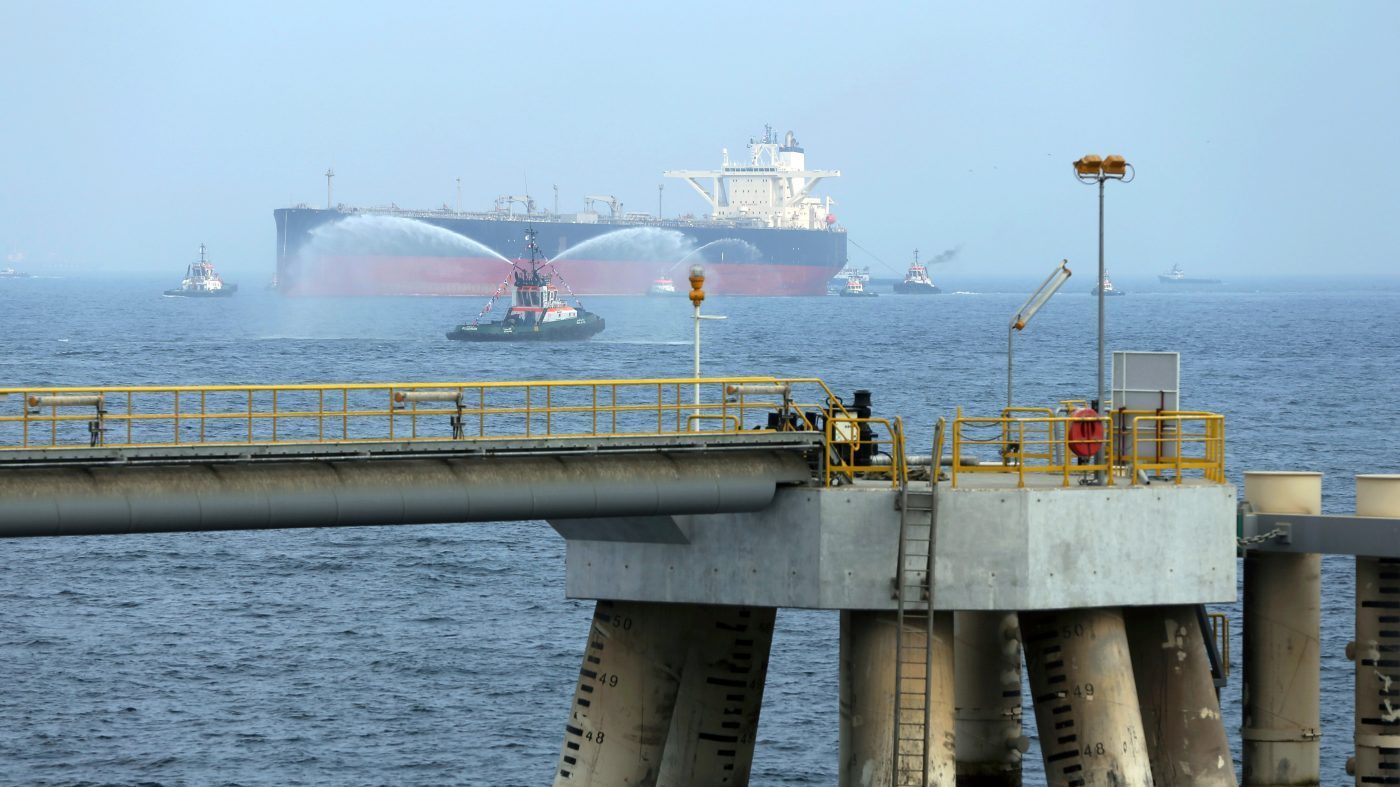
The price drop came after 13 days of renewed fighting between the two countries, which had sent gas prices soaring and disrupted key shipping routes. The conflict effectively closed the Strait of Hormuz, a critical chokepoint off Iran's coast through which about a fifth of the world's oil passes.
Earlier this year, a ceasefire had briefly lowered prices, but renewed fighting last week escalated the crisis, drawing in not only the Strait of Hormuz but also the Bab-el-Mandeb Strait in the Red Sea, another vital maritime corridor. The dual disruptions heightened fears of sustained supply shortages.
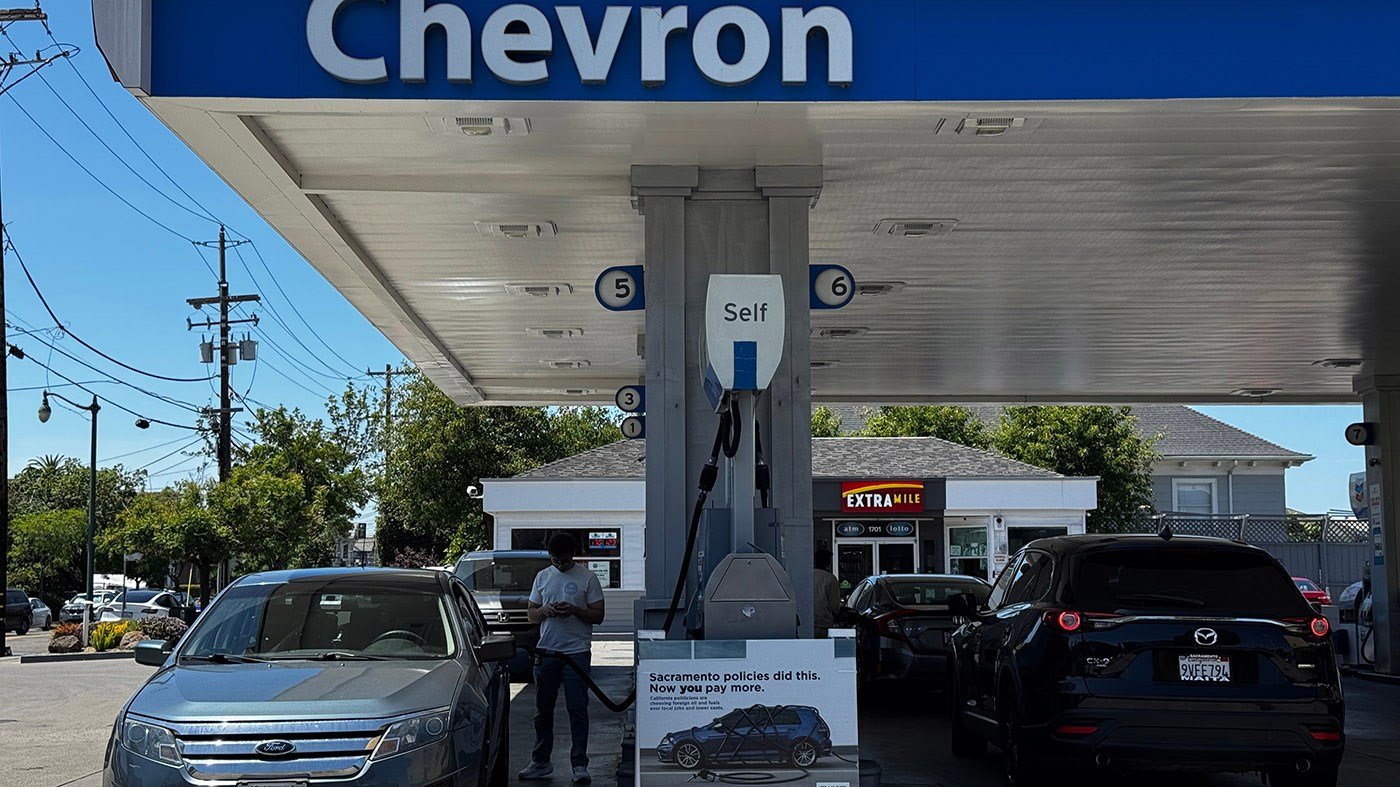
Oil is the primary component of gasoline, and shifts in crude prices typically feed through to the pump, though with a lag. On Monday, the average US gasoline price stood at $4.11 per gallon, according to AAA, virtually unchanged from the weekend but up 11 cents from a week earlier.
The pause in strikes has raised cautious optimism among traders, but analysts warn that the reprieve may be temporary. The underlying geopolitical tensions remain unresolved, and any resumption of hostilities could quickly reverse the price decline.
President Donald Trump's decision to pause strikes and head to Michigan has drawn mixed reactions. Senate Republicans have expressed concern over the mounting costs of the conflict, while Democrats have criticized the administration's handling of the crisis.
For now, the energy market is breathing a sigh of relief, but the fragility of the situation is palpable. The coming days will be critical in determining whether this lull leads to a broader de-escalation or merely a brief intermission in a protracted confrontation.