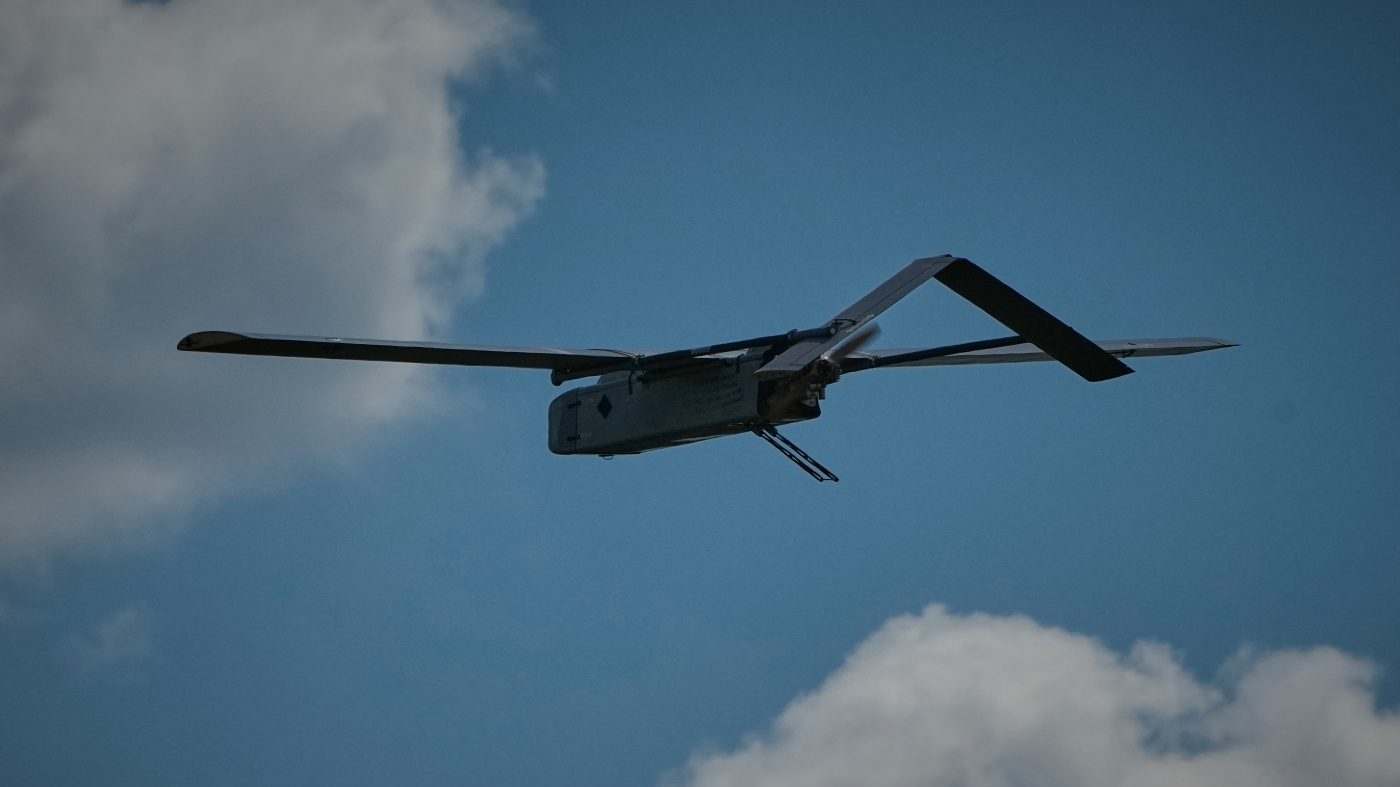
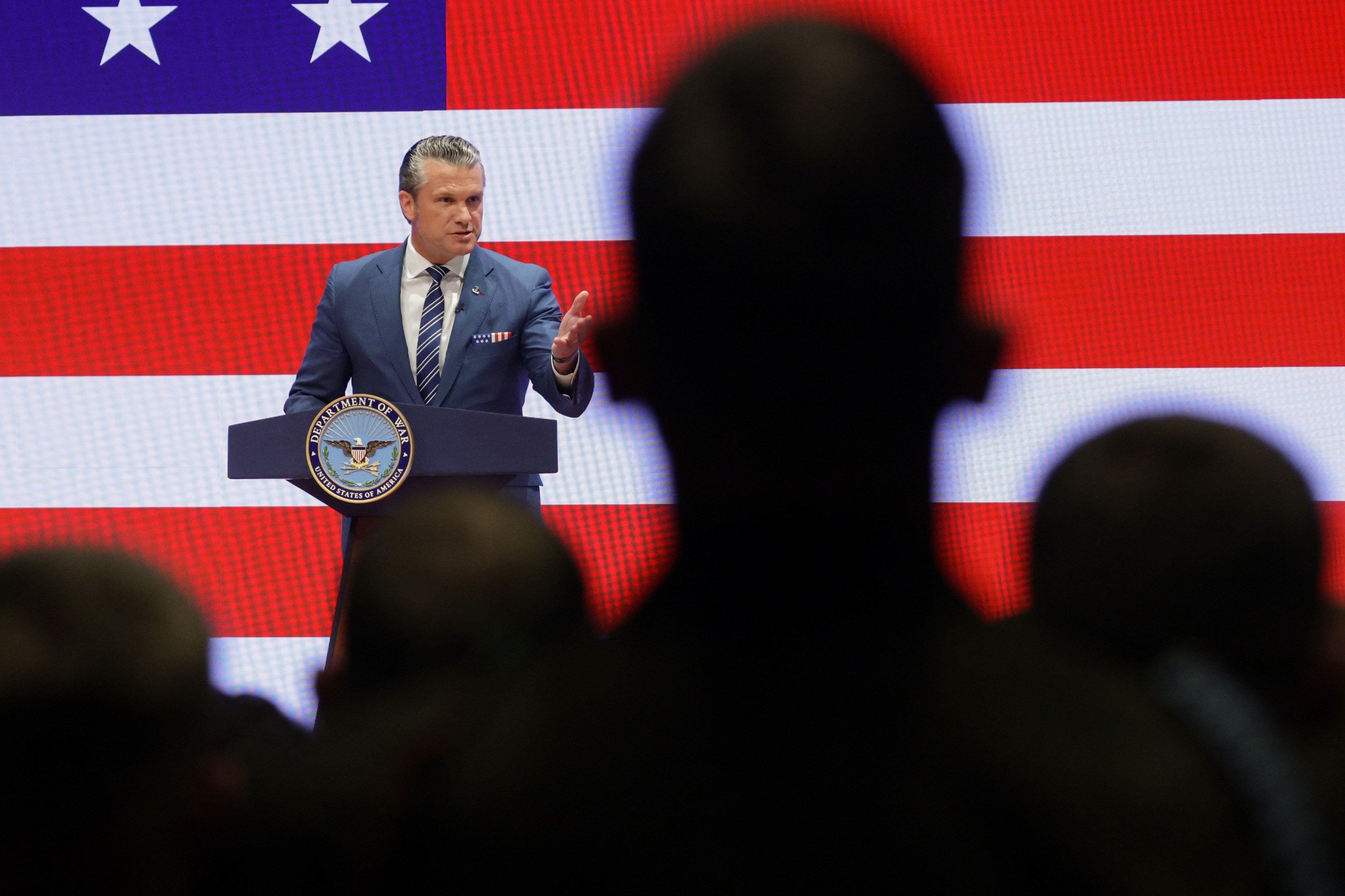
In a new directive that signals a major shift in military procurement priorities, Defense Secretary Pete Hegseth has ordered the Pentagon to accelerate the development and deployment of counter-drone systems, warning that bureaucratic inertia is no longer acceptable. The memo, portions of which were shared with NewsNation, explicitly instructs the department to classify any delays in fielding anti-unmanned aircraft systems as an "operational risk."
"This memorandum directs the Department to accept prudent risks, identify approval paths early, staff them fast, standardize them across the Department, and elevate them when they stall," Hegseth wrote in the directive. The language is a clear break from the Pentagon's traditionally cautious acquisition process, which has often been criticized for being too slow to adapt to rapidly evolving threats.
Drone warfare's growing footprint
The urgency comes as drones have become a decisive factor in modern conflicts, most notably in Ukraine, where Kyiv's forces have used unmanned systems to blunt Russia's invasion, prolonging the war far beyond initial expectations. The Pentagon has been closely studying these tactics, with U.S. military personnel training alongside Ukrainian soldiers to learn how they have integrated drones into their operations. However, an Army program dedicated to analyzing drone warfare was abruptly disbanded in August, just weeks after its commanding general was removed in July.
The threat is not confined to overseas battlefields. At the southern border, the Department of Homeland Security has been using counter-drone measures, including laser systems, to disrupt cartel smuggling operations. The memo underscores that the U.S. cannot afford to fall behind as drone technology becomes cheaper and more accessible to both state and non-state actors.
A direct rebuke to bureaucracy
Hegseth's memo is a direct rebuke to the Pentagon's slow-moving procurement bureaucracy. "We will not answer a fast-moving threat with a slow-moving bureaucracy," he wrote. The directive is part of a broader push by the Trump administration to streamline defense innovation, which has also included the creation of a new autonomous warfare command and the appointment of tech leaders like Elon Musk and Palmer Luckey to oversee Project Meridian.
The memo also comes amid growing concerns about drone threats to U.S. forces and allies. Recent incidents, such as drone strikes near Moldova's capital, have highlighted vulnerabilities in air defense systems. Meanwhile, the Pentagon's plans to deploy 4,000 Marines and sailors to the Middle East underscore the need for rapid adaptation to emerging threats.
Reaction and implications
Defense analysts have largely welcomed the directive, though some caution that speeding up procurement could lead to hasty decisions. "The intent is right, but the execution will be key," said one former Pentagon acquisition official. "You can't just throw money at the problem; you need to ensure the technology is tested and reliable."
The memo also aligns with Hegseth's broader efforts to reshape the military, including proposed cuts to senior officer ranks, which have faced pushback from some lawmakers. The push for faster anti-drone deployment is likely to be a central theme in his upcoming annual address, where he is expected to unveil a 20% reduction in top brass.
As the Pentagon moves to implement the memo, the focus will be on whether it can translate this sense of urgency into actual fielded systems. The stakes are high, with drones now a ubiquitous feature of modern warfare and border security. The directive is a clear signal that the Trump administration is determined to keep the U.S. ahead in this technological race, even if it means upending traditional acquisition norms.