The Pentagon is dispatching more than 4,000 Marines and sailors to the Middle East aboard three warships, the latest component of an expanding U.S. naval presence in the Central Command area of responsibility. The deployment underscores the military's focus on the region as tensions with Iran continue.
The USS Makin Island, a Wasp-class amphibious assault ship serving as the flagship of the Makin Island Amphibious Ready Group, left San Diego on Monday, according to ship spotters. It is accompanied by the amphibious landing ships USS Anchorage and USS John P. Murtha. The group is transporting the 13th Marine Expeditionary Unit, a forward-deployed force of roughly 2,200 Marines and sailors.

The Navy deferred questions to U.S. Pacific Fleet, which described the movement as routine. "The Makin Island Amphibious Ready Group and 13th Marine Expeditionary Unit are conducting routine operations in the U.S. 3rd Fleet area of operations," a Pacific Fleet spokesperson said in a statement. The spokesperson added that 3rd Fleet leads naval forces in the region and provides training necessary for the full spectrum of military operations, from combat to humanitarian assistance and disaster response. The fleet also works with allies to advance freedom of navigation, the rule of law, and other security principles, the spokesperson said.
Once the Makin Island group arrives in the Middle East, it will join the Boxer Amphibious Ready Group, which is already there with the 11th Marine Expeditionary Unit. In addition, the USS Theodore Roosevelt, a Nimitz-class aircraft carrier, is en route to relieve the USS George Washington, which was sent to the region from the Indo-Pacific. The Roosevelt typically carries about 5,000 personnel. Combined with the Makin Island group, the U.S. is sending approximately 9,000 personnel on multiple ships to the Middle East. More than 50,000 U.S. service members are already operating in the Centcom region.
The USS George Washington and USS George H.W. Bush are currently in the Middle East. Their presence supports the enforcement of a U.S. naval blockade on ships entering or leaving Iranian ports. Since the blockade resumed in July, U.S. forces have redirected 125 commercial vessels to ensure compliance, according to Centcom.
President Trump said on Thursday that the U.S. conflict with Iran will conclude soon. "Iran will very soon be ending — one way or the other," he told reporters, predicting that oil prices would fall once it does.
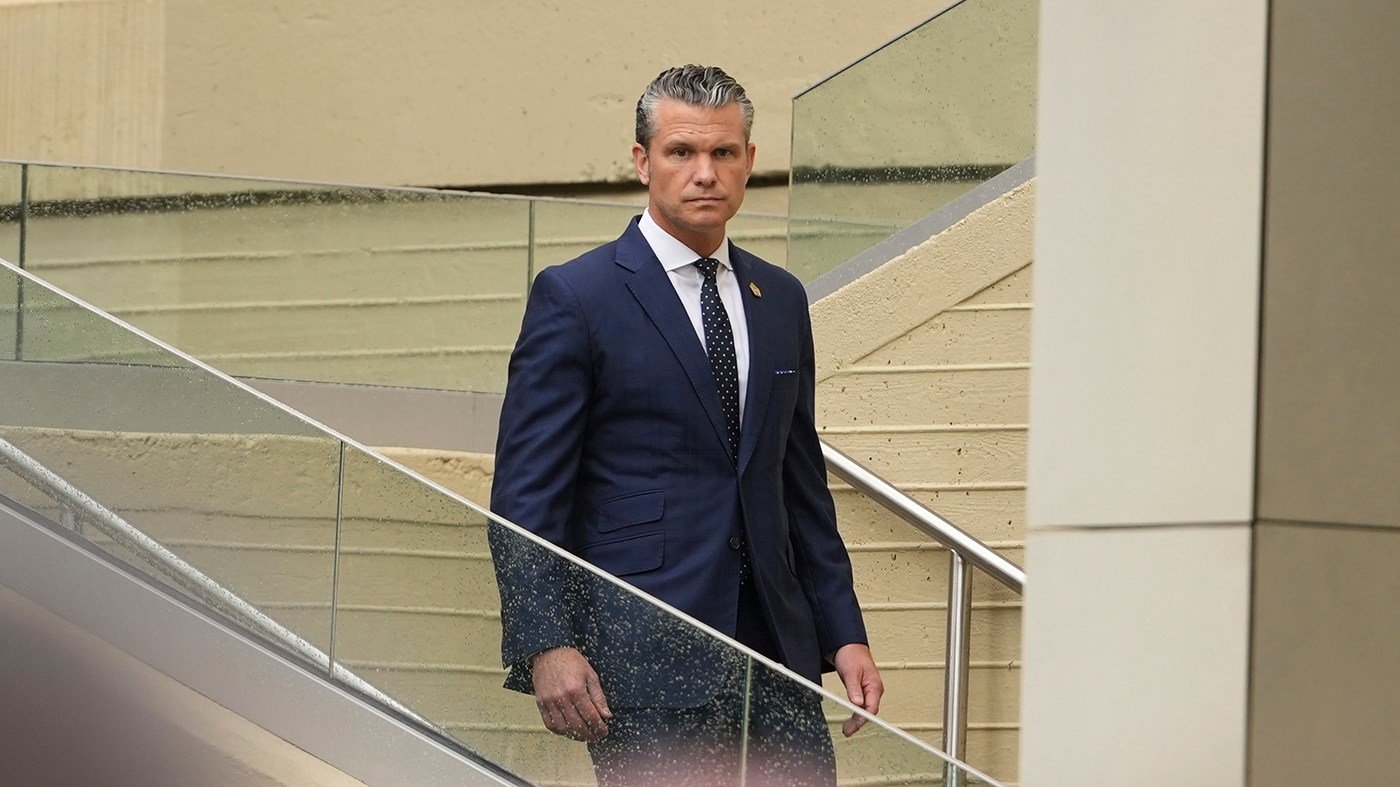
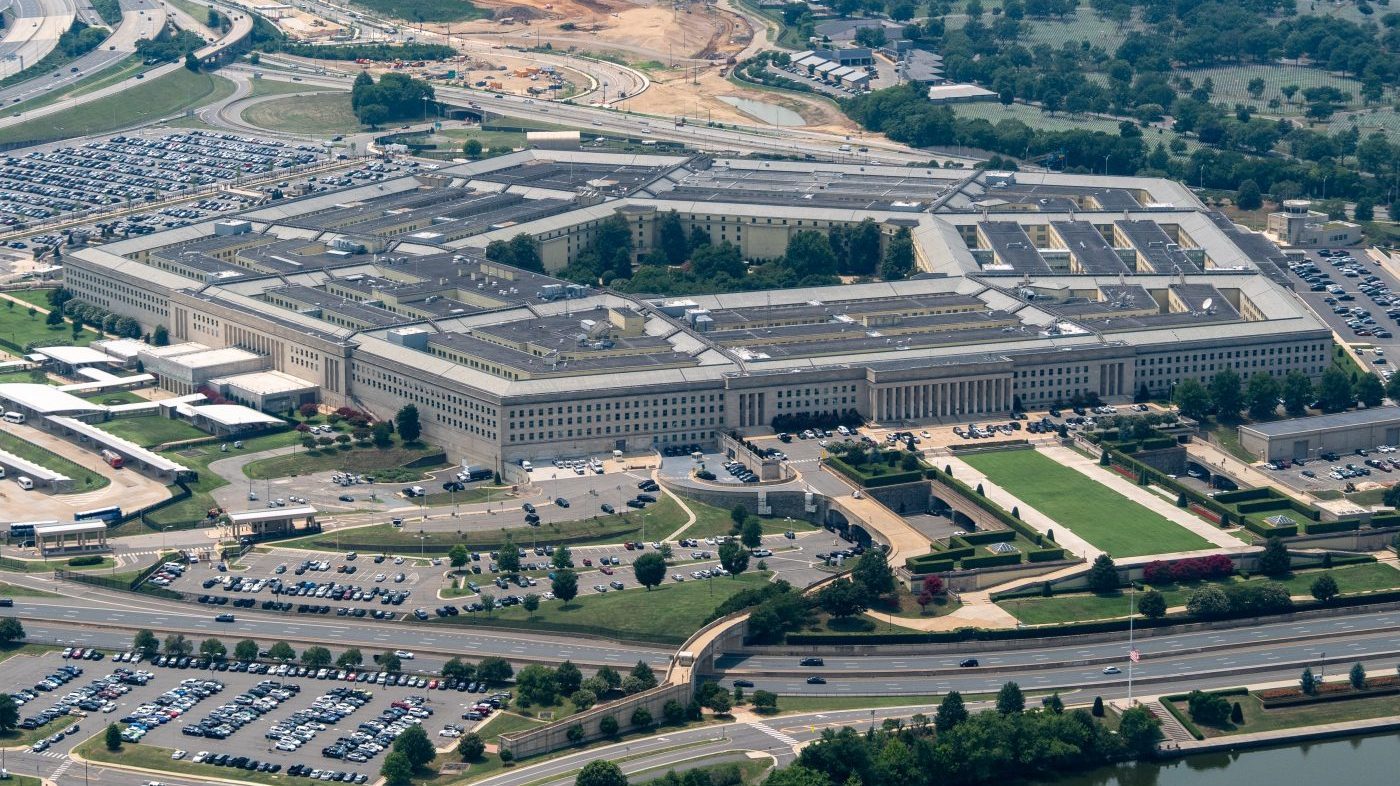
The deployment comes amid broader changes at the Pentagon. Defense Secretary Pete Hegseth has launched a new board to sharpen homeland defense focus and is moving to cut senior officer billets by 20% in a restructuring effort. Meanwhile, the Navy is grappling with safety and mental health challenges, including a recent carrier landing mishap off Virginia and reports that eight sailors on the Lincoln strike group attempted suicide.
The buildup also coincides with the scheduled deployment of the USS Theodore Roosevelt to the Middle East, which will further bolster the U.S. naval force in the region. As the U.S. continues to reinforce its military posture, the situation with Iran remains fluid, with the president signaling a possible end to hostilities while the Pentagon presses ahead with its deployments.