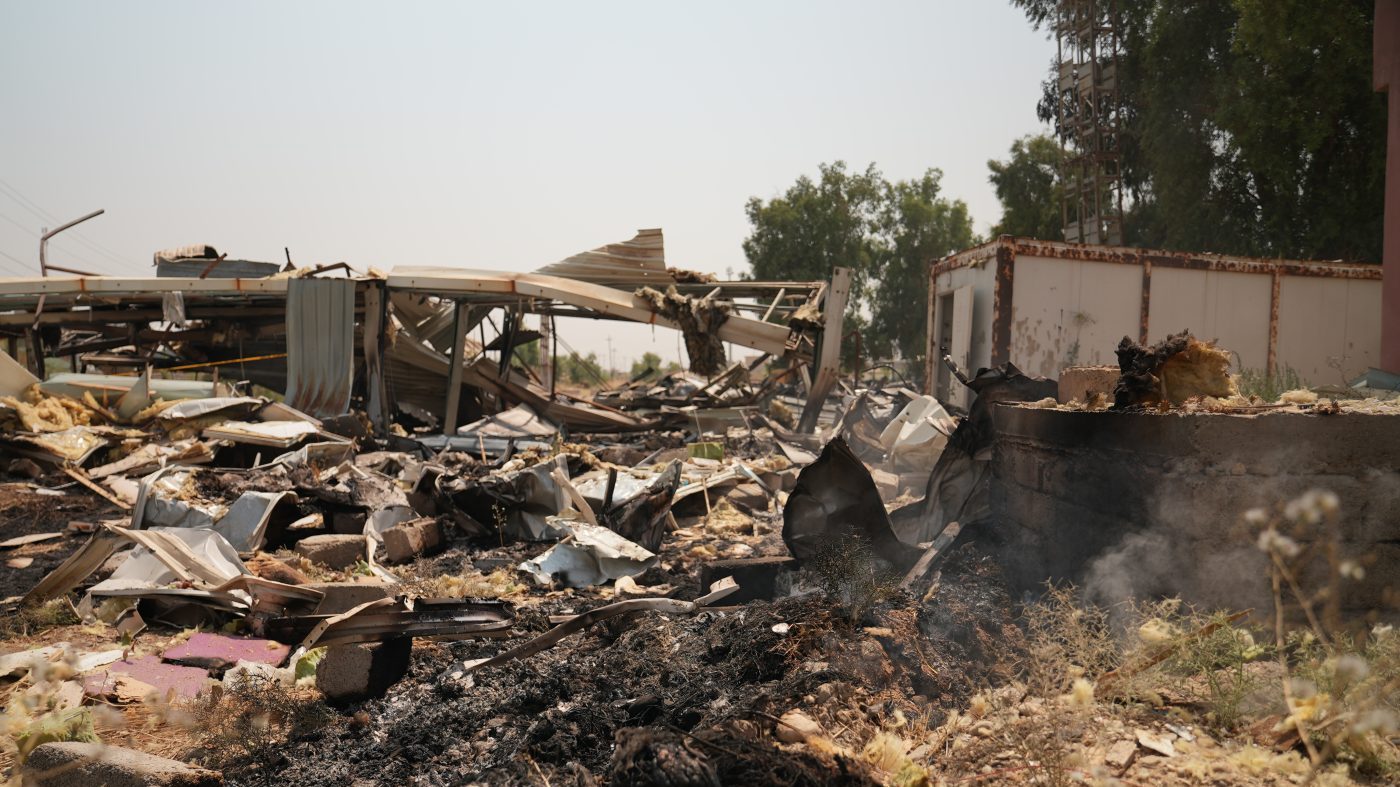
In a significant escalation of the ongoing conflict, U.S. and Saudi military forces launched coordinated airstrikes against Iranian-backed militias in Iraq overnight. The operation, which killed at least 20 militia fighters according to the Associated Press, sent global energy markets into a tailspin and stoked fears of a broader regional war as the confrontation with Iran enters its fifth month.
Retaliation for Drone Attacks on Saudi Oil Infrastructure
The strikes came in direct response to a series of drone attacks targeting Saudi Aramco's Abqaiq oil processing facility—the world's largest crude stabilization plant, capable of handling roughly 7 million barrels per day. Over the weekend, Houthi rebels also struck an Aramco refinery in Jazan, forcing a temporary shutdown, days after a Saudi oil tanker was attacked while transiting the Bab el-Mandeb Strait, a critical chokepoint connecting the Red Sea to the Gulf of Aden.

These assaults on Saudi energy infrastructure have been part of a broader campaign by Tehran's proxies, which also included an attack on a U.S. base in Jordan on Tuesday evening. U.S. Central Command condemned the strikes as “unwarranted,” while the Jordanian military reported that five missiles were intercepted and destroyed.
Oil Markets React Sharply
The military action triggered an immediate spike in crude prices, with Brent crude rising 3.44% to $81.46 per barrel by Wednesday morning. The increase reflects mounting anxiety over supply disruptions in a region that is home to some of the world's most vital oil transit routes. The renewed fighting comes after Tehran rejected Oman's proposal for joint management of shipping traffic through the Strait of Hormuz—a plan that would have split transit equally between two safe pathways.
Kazem Gharibabadi, Iran's deputy foreign minister for legal and international affairs, stated in an interview aired on state media that the Islamic Republic hopes the strait will “never to return to its prewar situation,” according to the AP. Iran has continued to threaten vessels it accuses of transiting without permission, a stance that prompted the resumption of U.S. strikes earlier this month after a temporary ceasefire collapsed. The U.S. had paused its operations on Saturday following two weeks of continuous fighting.
Diplomatic Efforts Falter as Iran Vows Retaliation
Iraqi government officials have requested a meeting with both the U.S. and Iran to discuss the current war, Reuters reported. However, the prospects for de-escalation appear dim. Iran's foreign minister, Seyed Abbas Araghchi, wrote on social media platform X earlier this month: “Our defense doctrine is clear: eye for an eye. Any aggression against Iran, including our infrastructure, will compel a powerful and decisive response.” He added that “those who contribute to such aggression, whatever the kind of support, will also be considered as legitimate targets.”
The deepening conflict has also drawn attention to the complex relationship between Iran and Iraq, both Shi'ite-majority nations with deep economic ties, despite Baghdad's declared neutrality. The situation has prompted renewed debate in Washington, where public support for military strikes on Iran remains low—a recent poll found only 33% back such operations as the war drags on.
As the U.S. and its allies weigh next steps, the region remains on edge. The combination of sustained proxy attacks, retaliatory strikes, and Tehran's refusal to back down suggests that the path to de-escalation remains elusive, with global energy markets bracing for further volatility.

