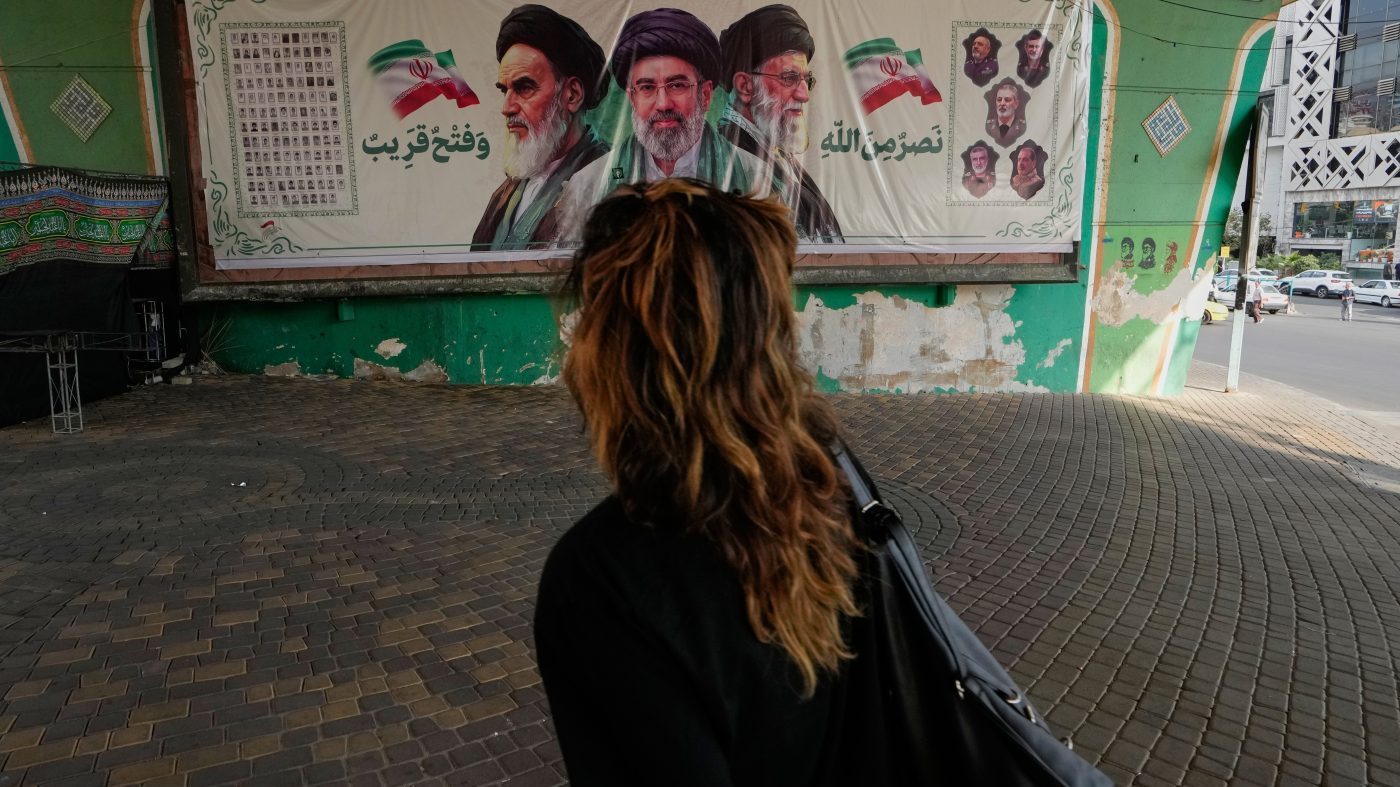
The Iranian-backed Houthi rebel group's seizure of a strategic Yemeni port city has intensified the proxy conflict with the United States and its Gulf allies, raising fears of a broader regional war and new shocks to global energy supplies.
Yemen's internationally recognized government, backed by Saudi Arabia, confirmed that Houthi forces took control of Mokha, a key Red Sea port, on Thursday. The port's location, roughly 50 miles from the Bab el-Mandeb Strait, gives the rebels leverage over one of the world's busiest shipping lanes, through which about 12 percent of global trade passes. Reports also indicate the Houthis captured the nearby island of Perim, which sits in the middle of the strait.

The developments come as Saudi Arabia reported that its East-West Pipeline, which can carry up to 7 million barrels of crude per day, was attacked by drones launched from Iraq, forcing a shutdown. The pipeline is critical for moving oil to the Red Sea, especially after Iran effectively closed the Strait of Hormuz, a vital chokepoint for global energy exports.
Analysts warn that if the Houthis move to fully block the Bab el-Mandeb, the impact on energy markets could be catastrophic. Brett Erickson, a managing principal at Obsidian Risk Advisors, described a complete shutdown as "checkmate" for the United States and global energy markets. "You're losing millions of barrels per day," he said. "Yes, they can reroute with Suez, but you're talking about weeks of essentially no flows due to the extra timeline. So it very much does become a checkmate at a time when Brent's trading at $105, WTI is at $100, diesels at $6 a gallon."
The Houthi advance marks their largest territorial gain since a 2022 agreement that ended years of civil war. In response, Yemeni Air Force jets have been bombing Houthi positions near Mokha, according to government spokespeople. The rebels have also declared a blockade on Saudi Arabia, which entered the war on the side of the internationally recognized government.
Saudi Crown Prince Mohammed bin Salman has pressed President Trump to take military action against the Houthis, with the two leaders discussing the situation multiple times in the last day. While Trump has so far declined to order direct strikes, he has agreed to share military intelligence and send more than 100 advisors to assist the Saudis in targeting the rebels, according to sources cited by Axios.
Houthi spokesperson Yahya Saree claimed on Friday that maritime navigation remains safe for all shipping companies except Saudi vessels, warning of further military escalation against Saudi-backed forces until the blockade on Yemen is lifted.
The attack on the Saudi pipeline is a significant blow to the kingdom's energy infrastructure. Satellite images shared with The Hill show extensive damage to a pumping station near Al Mesba'ah, and another station near Al Dhekra was also hit. While the pipeline can be repaired, Erickson noted the attack does not happen in isolation. "It's in tandem with the Bab el-Mandeb, the Strait of Hormuz and 2 billion barrels of oil already lost and escalating tension in the region," he said. "So, in isolation, maybe survivable, obviously, but it's in the more complete picture that becomes really concerning and it also just shows they can repair it. Sure, it can be hit again and again and again. We just don't have a solution to protect critical energy infrastructure."
Oil prices have already surged above $100 a barrel this week, the first time since mid-May. Former Pentagon deputy press secretary Sabrina Singh warned that the Houthis' advances could further imperil the global economy. "With the Houthis now taking control of some of these two critical places, I think shipping is going to be further threatened, which means the global economy is going to be further upended," she said on CNN.
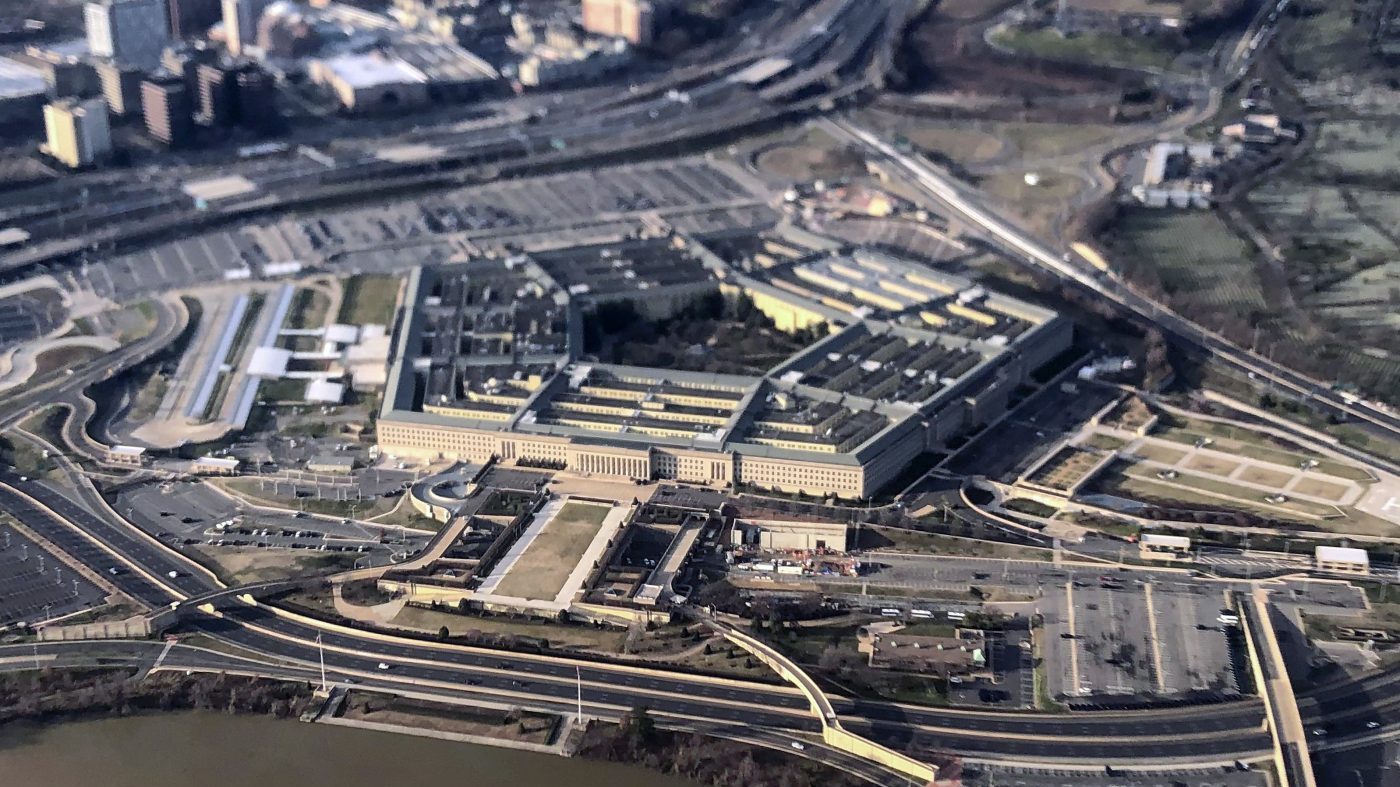
The escalating tensions come as the White House and Pentagon frame the conflict with Iran as part of a broader post-9/11 struggle, a narrative that has drawn criticism from some lawmakers. Meanwhile, the situation in Yemen remains a flashpoint in the wider US-Iran rivalry, with the Houthis serving as a key Iranian proxy in the region.