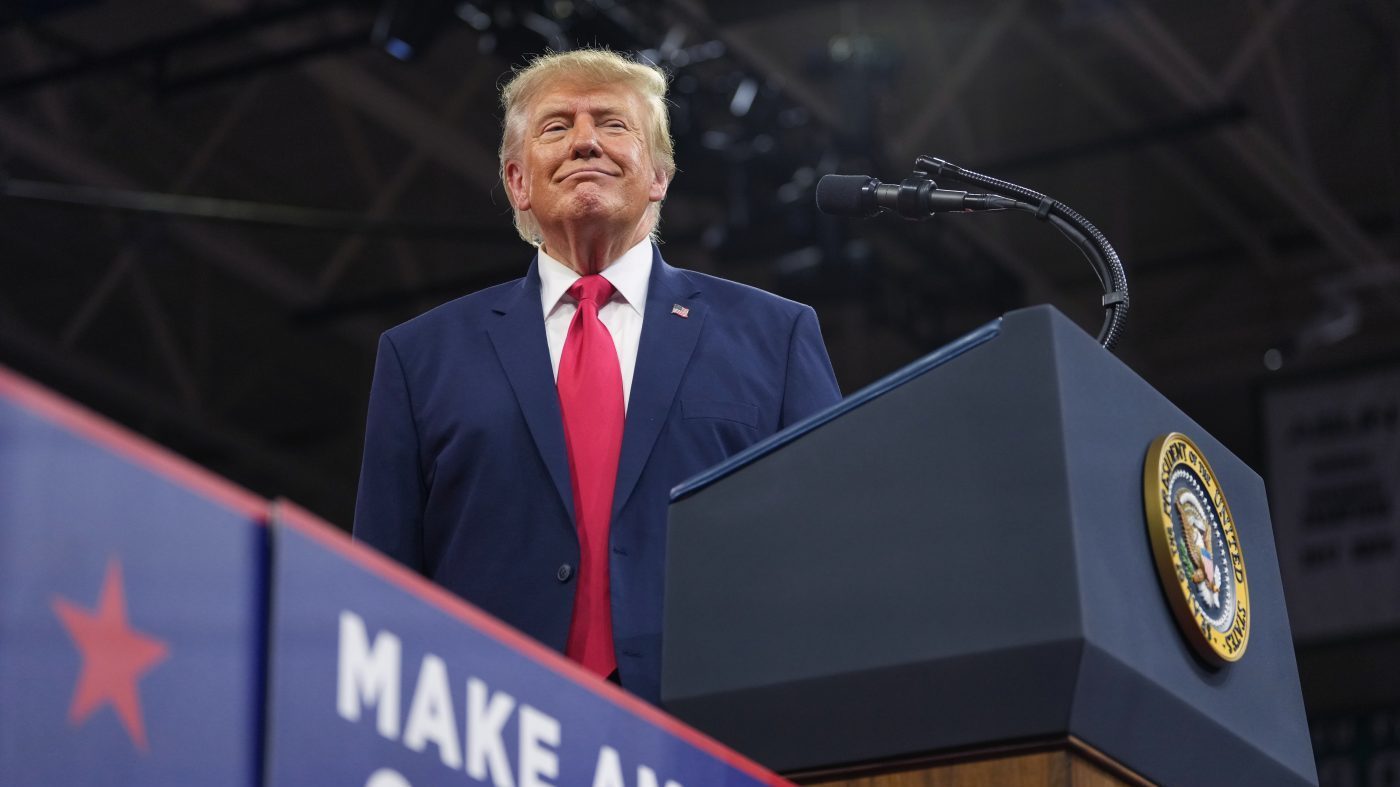
President Trump on Monday unveiled a $250 million-plus federal-state initiative aimed at shoring up the nursing home workforce, a move that comes as long-term care facilities across the country grapple with chronic staffing shortages.
In a Truth Social post, Trump touted the program as a major investment, writing: "The Trump Administration is proud to announce a 250 MILLION DOLLAR PLUS initiative to RECRUIT and RETAIN Nurses for Nursing Homes!" He added that the effort would "support thousands and thousands of Nurses and Nursing Students Nationwide, including those serving rural communities."
The initiative will be administered under the Centers for Medicare and Medicaid Services (CMS), according to the president. It will provide nurses with grants of up to $50,000 for committing to work in rural areas or facilities that are understaffed. Trump also claimed credit for expanding the program, saying, "This Fund was nearly a THIRD of this amount until I stepped in, and had our Great Governors join the fight."
The announcement arrives as the administration faces scrutiny over its handling of health care policy and as Democrats push for broader reforms to the nation's long-term care system. Earlier this month, Senate Democrats released a plan to overhaul both home-based care and nursing homes, arguing that the current system is outdated and underfunded.
Sen. Ron Wyden (D-Ore.), a key voice on health policy, said at the time: "It has been decades since Congress enacted a comprehensive, system-level investment in long-term care infrastructure and financing. And a system-level investment is what is needed."
The new initiative is likely to be welcomed by nursing home operators and industry advocates, who have long warned that low wages and difficult working conditions make it hard to attract and retain nurses. But some policy experts question whether the funding, while significant, will be enough to address the deep-rooted workforce crisis.
The announcement also fits into a broader pattern of the administration using targeted funding to address specific health care challenges, a strategy that has drawn both praise and criticism. Critics argue that such measures, while helpful, do not replace comprehensive reform.
Trump's post did not specify how the funds would be distributed or when the grants would become available, leaving many details to be worked out by federal and state agencies. The president's emphasis on rural communities and understaffed facilities suggests a focus on areas with the most acute shortages.
The move could also have political implications, as the administration seeks to highlight its responsiveness to health care concerns ahead of the next election cycle. For now, the nursing home industry and its workers are watching closely to see how the initiative translates into real-world improvements.