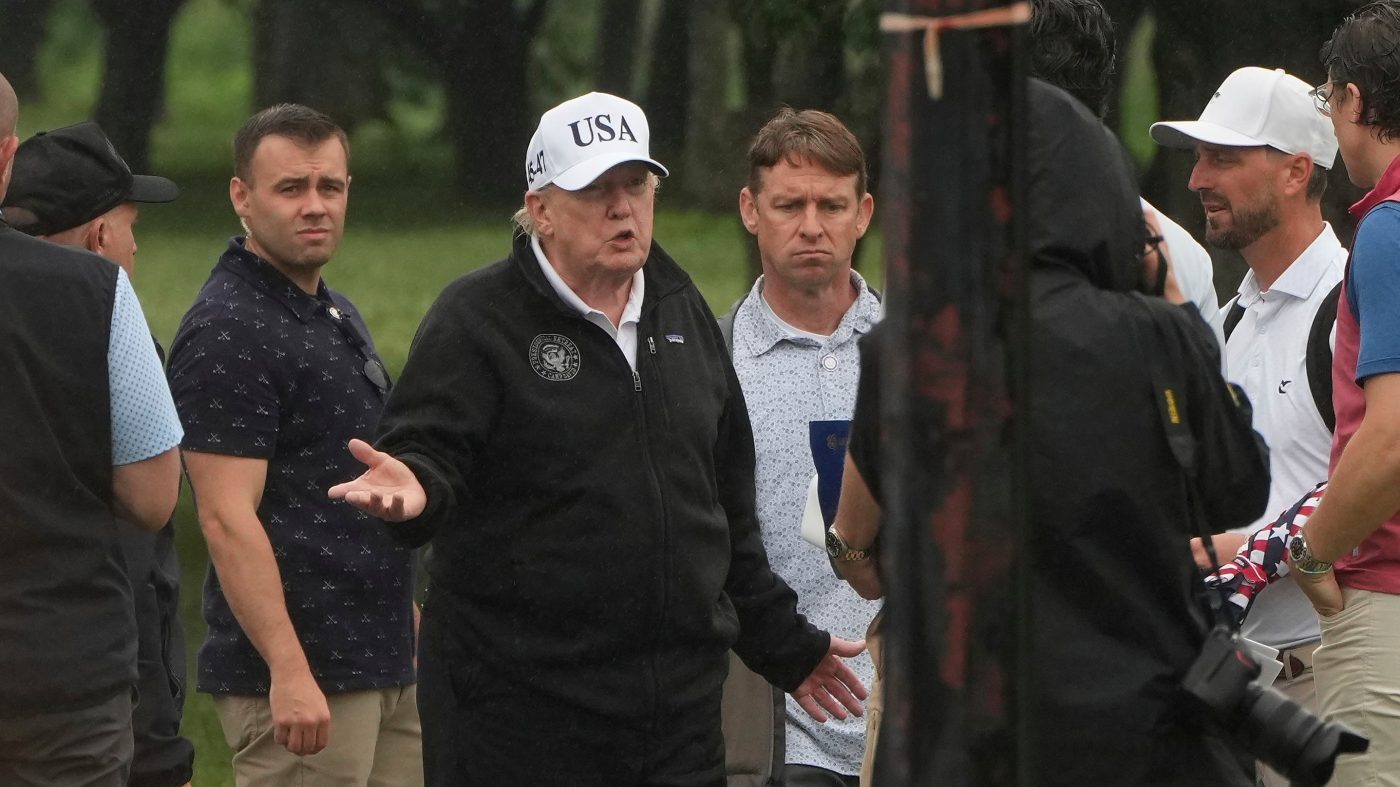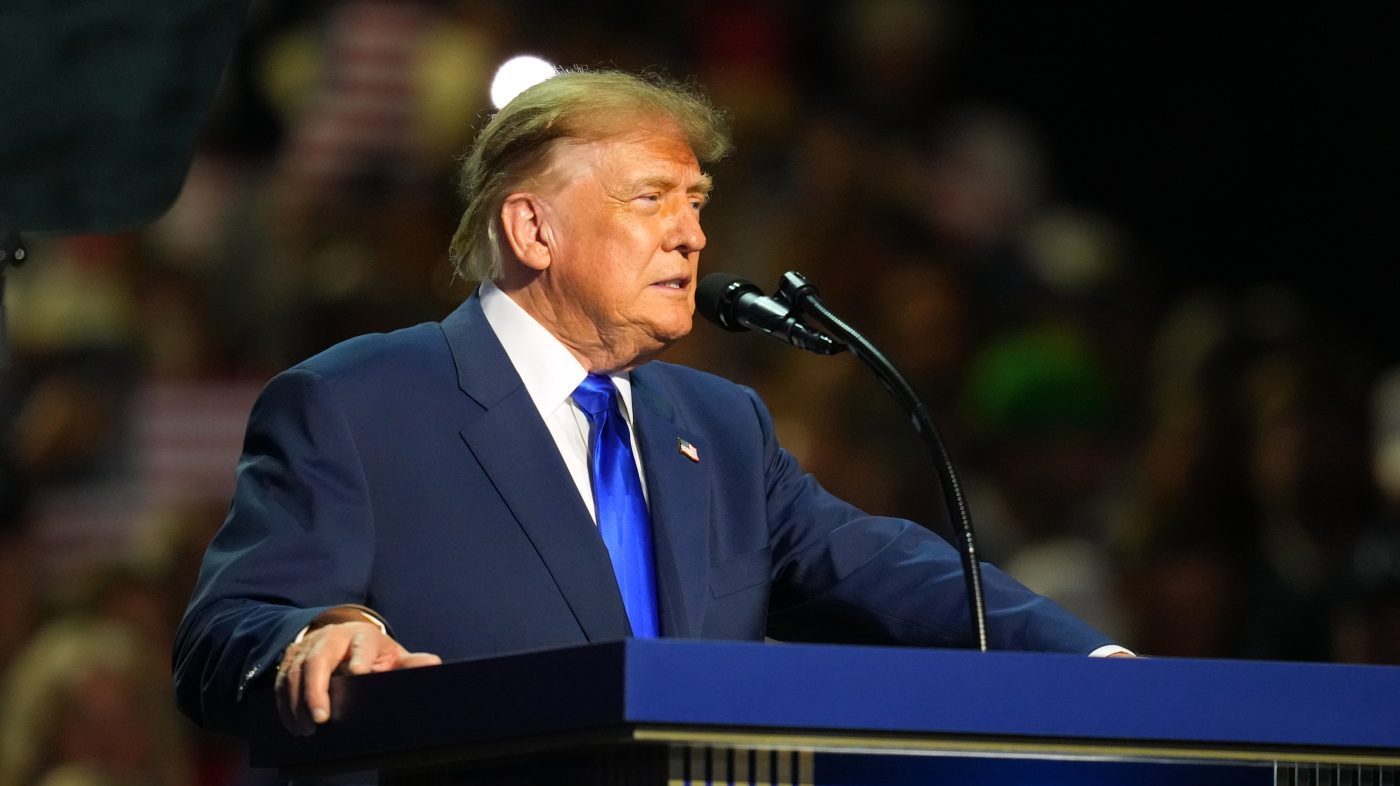
President Trump's proposal to distribute $5,000 to every U.S. adult if Republicans maintain control of Congress has sparked a debate over its legality and feasibility. The plan, announced at the Republican National Committee's midterm convention in Dallas, would cost an estimated $1.2 trillion, a figure that far exceeds available tariff revenues and would require congressional approval.
Trump framed the payments as a "dividend" for the nation's economic performance, drawing an analogy to corporate cash distributions to shareholders. However, he added a caveat that the money must be spent domestically, a condition that could complicate implementation.
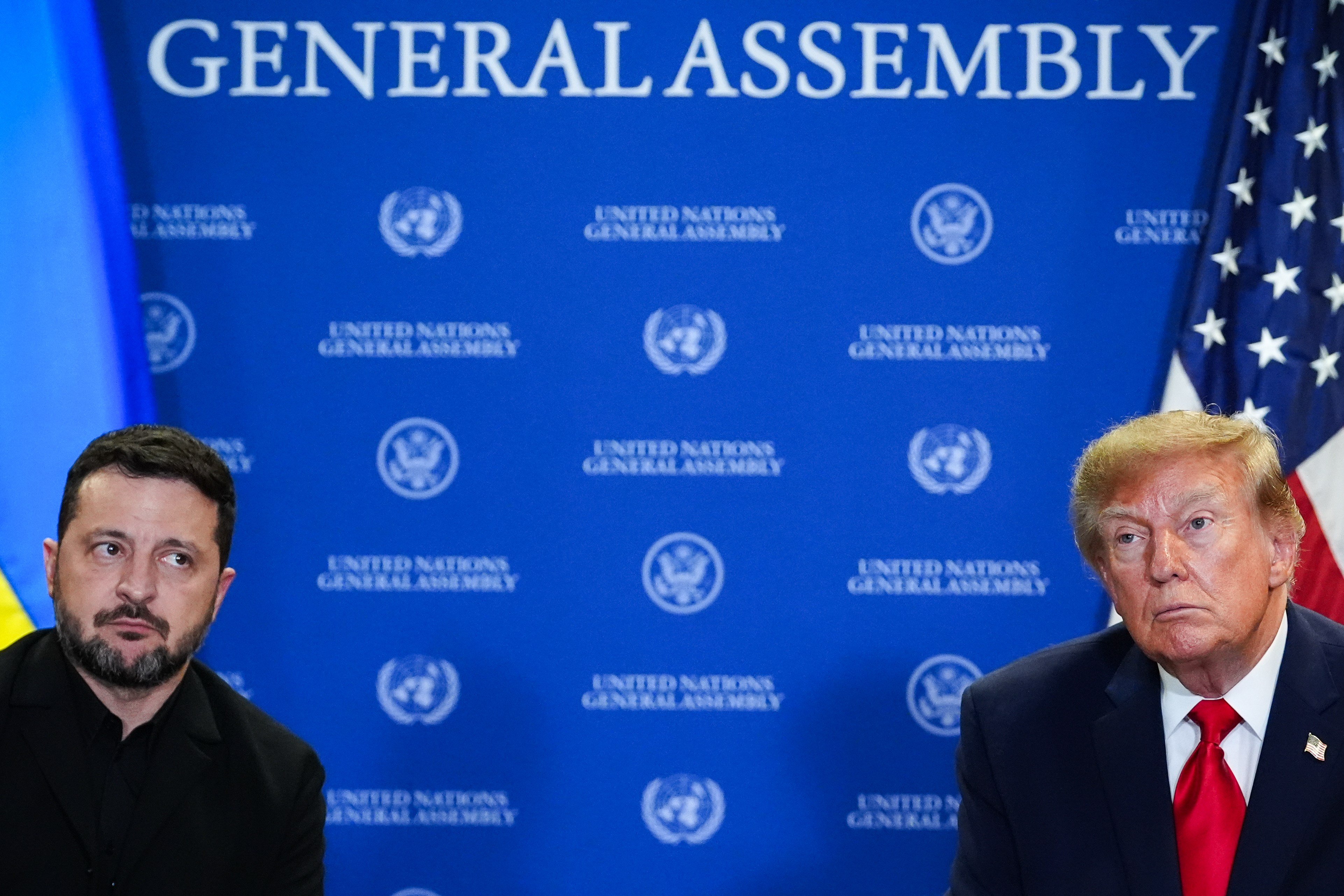
Legal experts quickly pointed out that the president lacks the authority to unilaterally disburse federal funds. "It's not something that the president can unilaterally do," said Paul Berman, a law professor at George Washington University. Congress holds the power of the purse, meaning any such expenditure must be specifically appropriated by lawmakers.
The administration's past use of tariff revenue has also come under scrutiny. While Trump cited "trillions" in tariff income, Treasury data shows roughly $341 billion in net revenue since 2025, with $166 billion ordered refunded after the Supreme Court struck down the administration's global tariffs. Berman noted that even if sufficient funds existed, "that's money that goes back to the public fisc, and then Congress is the one that has the power of the purse to allocate it."
Beyond fiscal constraints, the promise has drawn accusations of bribery. Critics, including Rep. Jim McGovern (D-Mass.), called it "trying to bribe people for votes." Even some Republicans expressed unease, with Rep. Ralph Norman (R-S.C.) citing "serious concerns" about funding, and former Rep. Bob Good (R-Va.) labeling it a "socialist-vote buying scheme."
Federal law prohibits offering money or anything of value in exchange for voting, but legal precedent offers some protection for broad campaign promises. The Supreme Court's 1982 decision in Brown v. Hartlage held that a candidate's pledge to confer a general benefit on voters is protected speech under the First Amendment. That ruling has been central to evaluating similar incentives, such as Elon Musk's $1 million checks during a Wisconsin judicial race, which prosecutors declined to charge, citing the lack of a direct quid pro quo.
Legal challenges to Trump's plan would likely face standing hurdles, as Berman noted: "Who is it who's harmed?" A losing candidate might argue harm, but courts may be reluctant to intervene in political promises. The plan also draws comparisons to past bribery accusations from both sides.
Sen. Bernie Moreno (R-Ohio) has pledged to introduce legislation to enact the dividends, but Trump insists congressional approval isn't necessary. "The country is doing so well," he told CBS News, citing tariff revenue. Yet, as Berman concluded, "it would be, I think, not plausible to think that the president could simply give out this money."
The proposal remains a political talking point, with Sen. Ted Cruz backing a tax-refund version and the Wall Street Journal calling it 'preposterous'. As the midterms approach, the legal and fiscal questions are unlikely to fade.