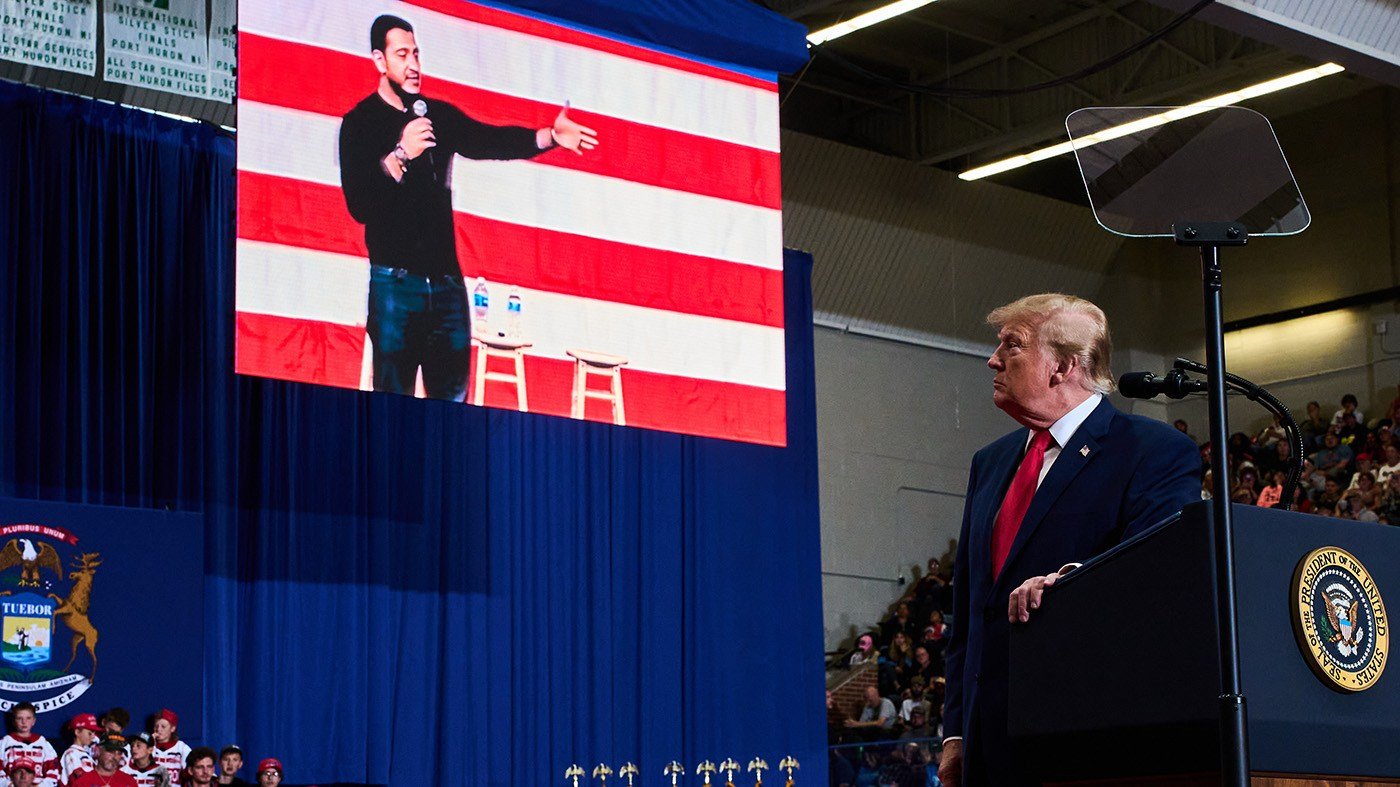
President Trump's proposal to hand every American adult a $5,000 check if Republicans reclaim Congress is being ridiculed by critics across the political spectrum, including prominent conservatives who normally back the administration.
During a Wednesday night appearance, Trump floated the idea—which carries an estimated price tag of at least $1.3 trillion and would require congressional approval—as an incentive for voters to support GOP candidates in the midterms. The plan immediately drew sharp rebukes, with conservative editorial boards calling it preposterous and even some Republican lawmakers distancing themselves.
National Review columnist Charles C.W. Cooke, a staunch conservative, didn't mince words. In an opinion piece, he called the proposal "just preposterous," arguing that Trump, "painfully aware that, once the midterms are over, he risks being gradually consigned to irrelevance," has "hit once again upon a Hail Mary plan for political success. That plan is bribery."
Cooke also highlighted a glaring contradiction: "Last night, after vocally condemning the rise of socialism in the United States, Trump pledged some of his own." The president, who spent much of his speech warning that Democrats want to give away taxpayers' money, then proposed giving away billions in federal funds—not for any policy achievement, but simply if Republicans win.
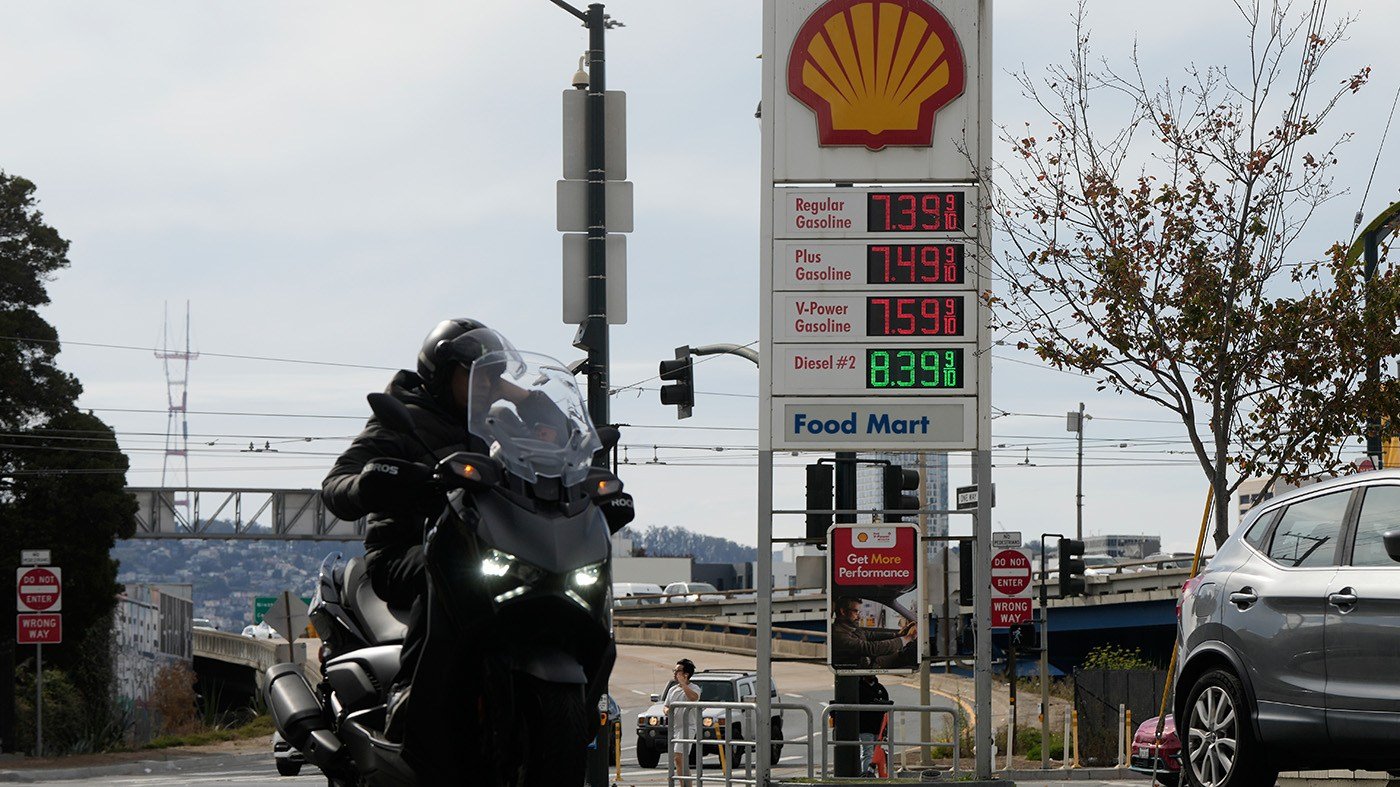
The timing is particularly awkward. The enhanced Affordable Care Act premium tax credits expired at the end of 2025, driving up insurance costs for millions. Gas and oil prices have spiked amid the ongoing conflict with Iran, and tariffs remain a cornerstone of the administration's economic strategy even as they pinch consumers. Rather than defending those policies or explaining why Americans should stick with them, the message from the president seems to be: Here's $5,000. Let me continue to make your life unaffordable.
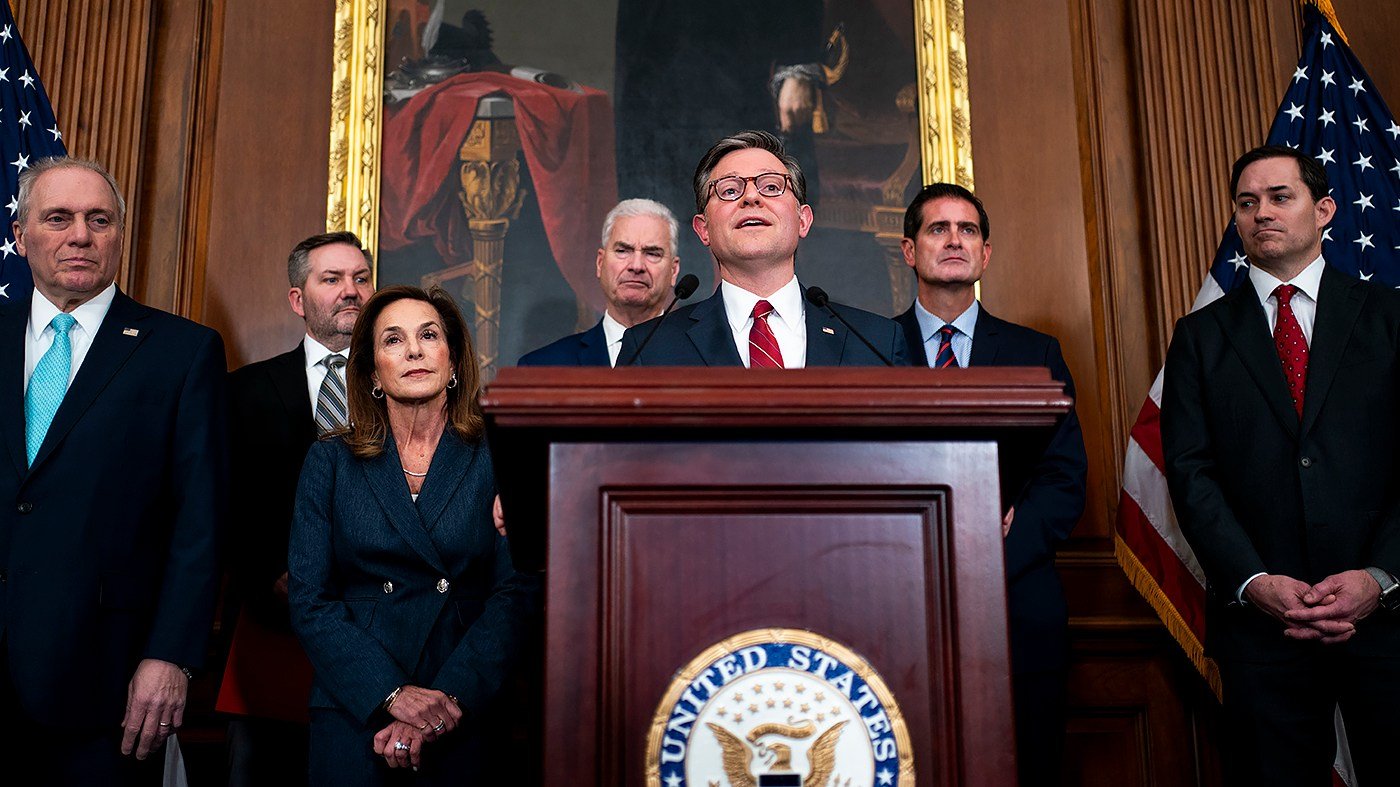
Even setting aside the ethical questions, the proposal faces steep practical hurdles. CNN's Manu Raju reminded viewers that Congress is unlikely to approve such a payout, and federal law prohibits offering payment in exchange for voting. So the check is almost certainly never coming.
The proposal has also drawn criticism from within the GOP. Florida Governor Ron DeSantis slammed the plan as inflationary, while Senator Ted Cruz suggested any such dividend should be limited to a tax refund for workers—a far narrower version than Trump's blanket offer. Meanwhile, the administration's broader economic record—tariffs, the Iran conflict, and mass deportation efforts—has taken a toll on household budgets, making the bribe-like offer feel like a distraction.
As the convention wrapped up, it became clear that the Republican sales pitch has shifted. If you can't beat 'em, bribe 'em. But with even conservative voices calling the move preposterous, it's unclear whether voters will be swayed by a promise that seems both fiscally reckless and legally dubious.