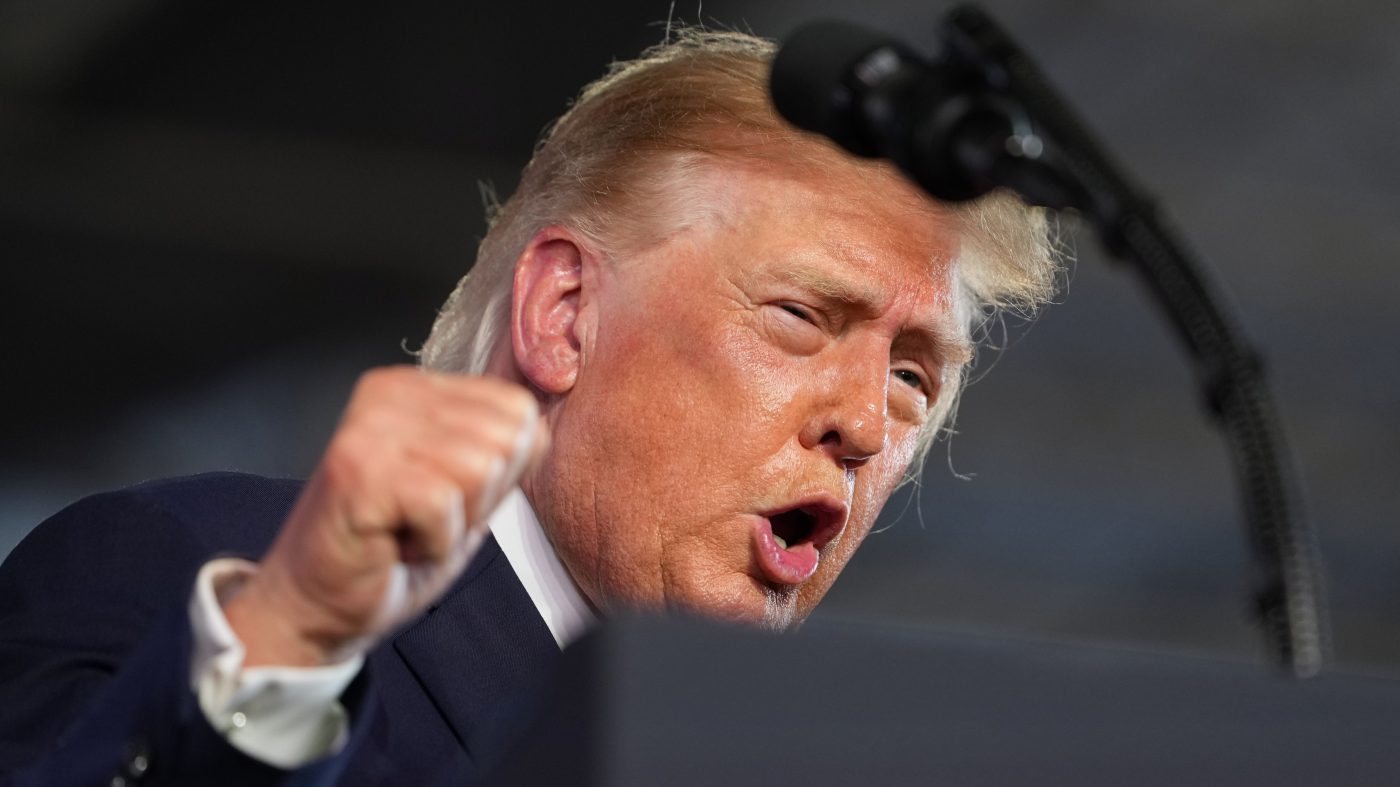
President Trump's promise to hand every American adult a $5,000 check if Republicans hold both chambers of Congress after the midterms is drawing sharp legal and fiscal criticism from both sides of the aisle. The proposal, unveiled Wednesday night at the Republican National Committee's midterm convention in Dallas, would require an estimated $1.2 trillion in federal outlays, a figure that has stunned budget hawks and constitutional scholars alike.
The plan, which Trump framed as a "dividend" for taxpayers, has quickly become a flashpoint in the closing weeks of the campaign. Critics argue that tying direct payments to an election outcome could run afoul of federal bribery statutes, while even some Republicans question the practicality and legality of such a sweeping transfer. South Carolina Representative Ralph Norman, a Republican, took to the social platform X to voice "serious concerns," suggesting the idea may be more about political theater than sound policy.
Legal experts note that while presidents have broad discretion in proposing spending, the Constitution requires Congress to appropriate funds, and conditioning such payments on electoral outcomes could be seen as an inducement to voters, potentially crossing ethical and legal lines. The legal and fiscal hurdles are mounting, with questions about whether the IRS could even process such payments in a timely manner.
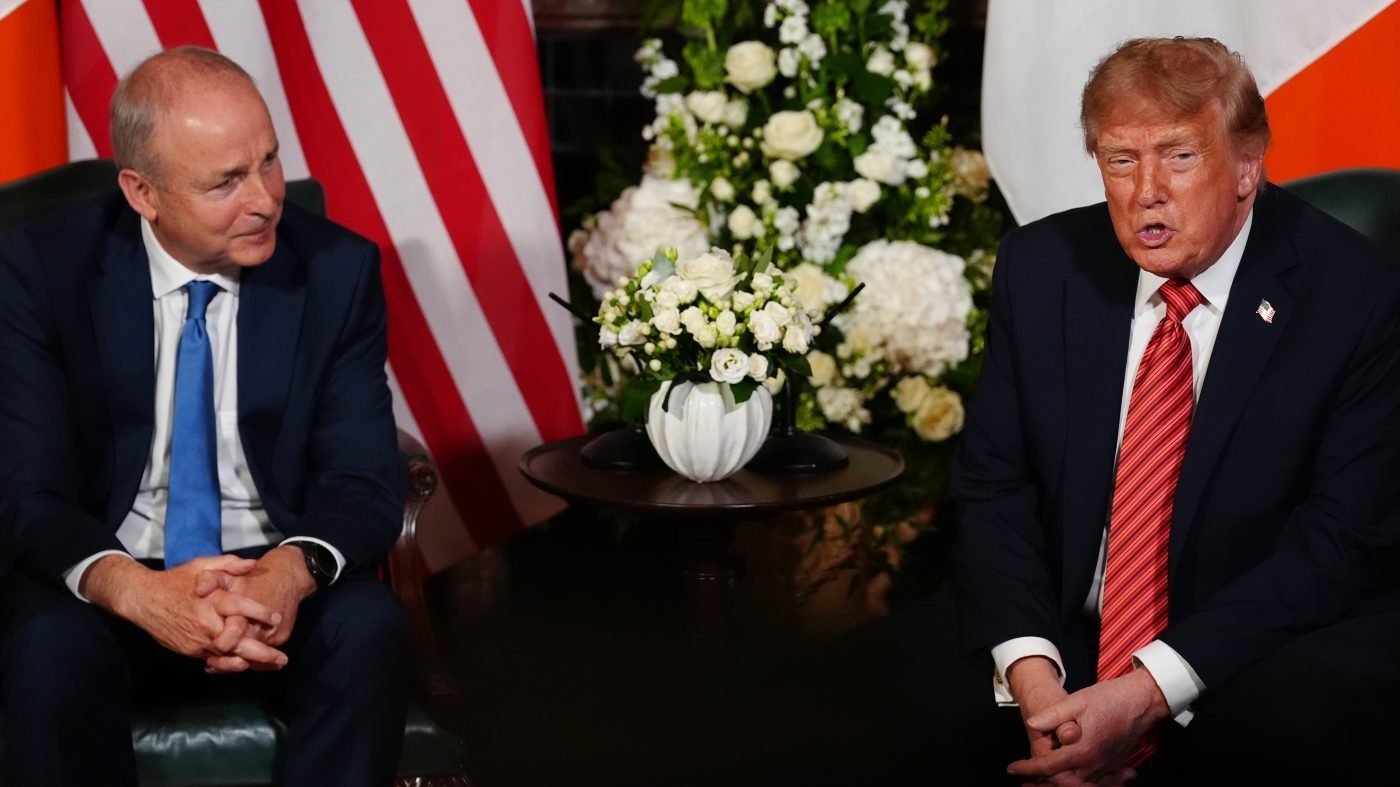
Trump's schedule has been a blend of domestic campaigning and international diplomacy. This weekend, he is in Ireland, where he met with Irish President Catherine Connolly and Taoiseach Micheál Martin. The trip has drawn attention not only for its diplomatic optics but also for Trump's recent comments on Irish unity, which have drawn rebukes from UK politicians. The president's foreign travel comes as he prepares to head to battleground North Carolina on Wednesday to campaign with GOP Senate nominee Michael Whatley, a move aimed at shoring up support in a critical state.
Not all Republican candidates are eager to share the stage with Trump. Some, particularly in competitive races, are keeping the former president at arm's length, wary of his polarizing effect on swing voters. This divergence within the party reflects a broader tension between embracing Trump's populist energy and appealing to moderates who may be turned off by his rhetoric.
The $5,000 dividend has also sparked a debate over fiscal responsibility. With the national debt already exceeding $35 trillion, the idea of adding trillions more in spending has alarmed fiscal conservatives. Senator Ted Cruz has offered a more limited endorsement, suggesting the dividend could work only if framed as a tax refund for workers, not a blanket giveaway. This nuanced position highlights the internal GOP struggle over how to sell the proposal without alienating fiscal hawks.
Meanwhile, Trump's legal troubles continue to loom over his campaign. In a separate development, a federal court has blocked the administration's bid to keep a Michigan coal plant running, a decision that could have implications for energy policy in a swing state. Trump has also disputed reports that he declined to speak at the New York City 9/11 ceremony, claiming he could have addressed the crowd but chose not to.
As the midterm elections approach, the $5,000 dividend remains a central but contentious pillar of Trump's pitch. Whether it will energize voters or backfire remains to be seen, but it has certainly intensified the debate over the limits of executive power and the ethics of campaign promises.