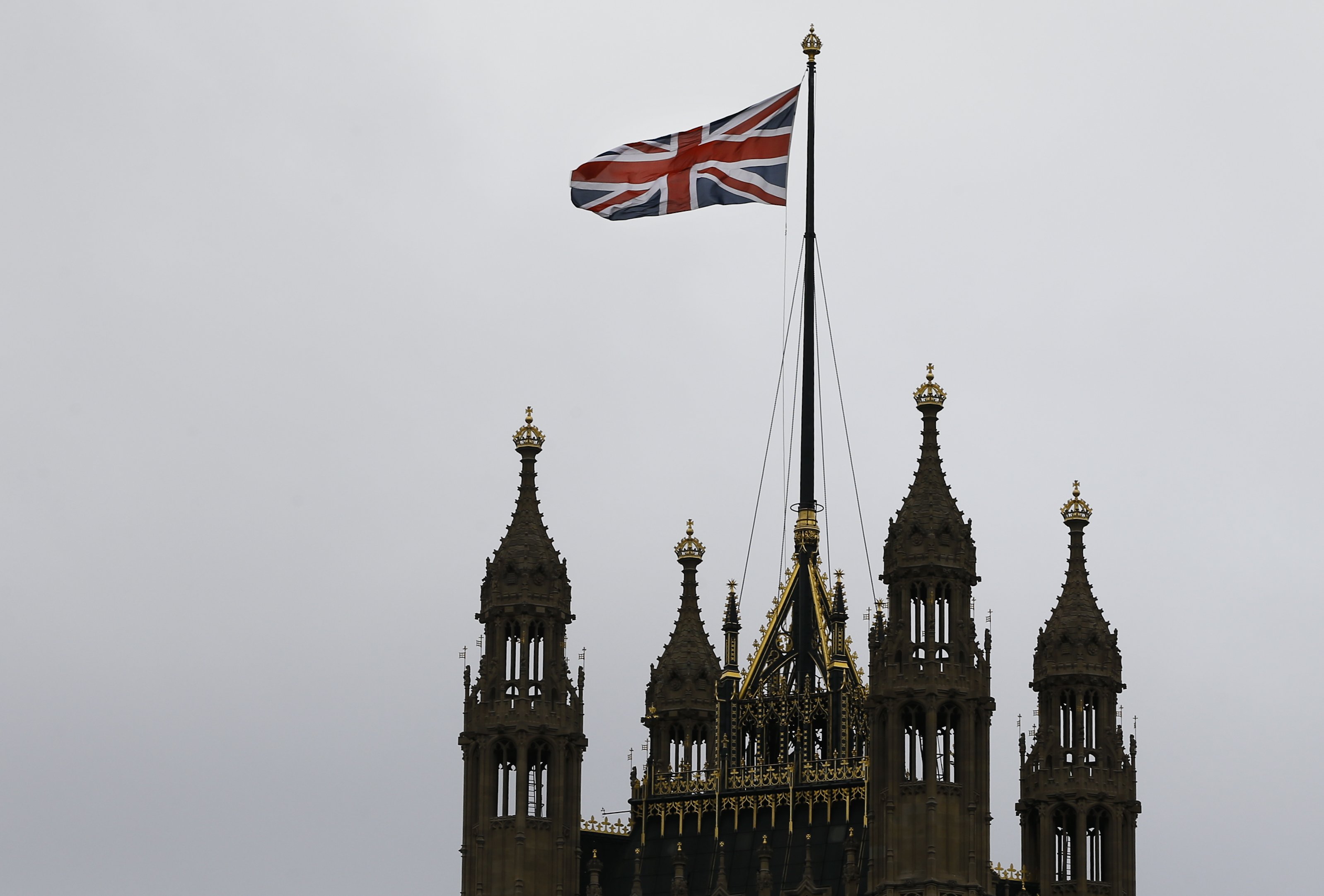
The next British prime minister, widely expected to be Andy Burnham, will inherit a military in crisis. The Royal Navy cannot deploy a single nuclear-powered attack submarine, its ballistic missile submarines are hobbled by readiness issues, and the army has shrunk to roughly 75,000 active personnel — barely the size of a single American corps. The Royal Air Force operates about a third of the aircraft it had at the end of the Cold War. Cybersecurity threats are mounting. The United Kingdom, once a global naval power that enforced a “two power standard” requiring its fleet to outnumber the next two strongest navies, now struggles to maintain a credible deterrent.
Outgoing Prime Minister Keith Starmer unveiled a defense investment plan that promises $43 billion in new maritime capabilities between 2030 and 2035, but it offers no concrete annual spending figures and fails to address immediate readiness problems. Armed Services Minister Luke Pollard admitted the government needs an extra $6 billion in this autumn's budget just to fund the plan's initial proposals. Other officials reportedly peg the true shortfall at $37 billion.
Resignation Highlights Funding Gap
Defense Minister John Healey resigned in protest, saying Starmer had failed to commit the resources needed to defend the country “at this time of rising threats.” Healey argued the government should boost defense spending to 3 percent of GDP by 2030, up from the planned 2.68 percent. His resignation letter accused Starmer of being unable to meet the nation's defense needs, a charge that resonates as NATO allies push for members to spend at least 2 percent of GDP on defense, with some calling for 5 percent.
Britain's economic woes compound the challenge. GDP growth is forecast below 1 percent this year, and the government faces a $46 billion budget shortfall. Spending on defense is unlikely to survive competition from other priorities, especially as the cost of living and public services demand attention. The Supreme Court's recent ruling on party spending caps has also reshaped the political landscape, but it does little to ease fiscal pressures.
Historical Precedent and Current Reality
The Royal Navy's decline is emblematic. In 1889, Parliament mandated the two power standard to ensure Britain's fleet outnumbered the next two navies combined. That standard was abandoned after World War I, but the navy remained formidable. Today, even maintaining one ballistic missile submarine on continuous patrol is a struggle. Carriers lack enough F-35B jets, and other ships face serious maintenance backlogs. The army has shrunk to its smallest size in centuries, and the air force's fleet is a shadow of its Cold War strength. Cybersecurity vulnerabilities are growing, as drone near misses at major airports underscore the evolving threat landscape.
What Burnham Must Do
To reverse the decline, Burnham should heed Healey's advice and commit to raising defense spending to 3 percent of GDP by 2030. That would require finding billions in new funding, likely through tax increases or cuts elsewhere. The investment plan's vague promises and late timelines — most new ships and systems won't arrive until after 2030 — suggest the government is kicking the can down the road. Healey argued the plan falls short of NATO commitments and the nation's needs. If Burnham fails to act, Britain risks becoming a second-tier military power unable to protect its interests or meet alliance obligations.
Dov S. Zakheim, a former Pentagon comptroller and senior adviser at the Center for Strategic and International Studies, summed up the stakes: Britain can no longer be considered a leading military power. The next prime minister must make defense a priority, or the decline will accelerate.