President Trump escalated his rhetoric on Monday, warning that he would order a bombing campaign against Oman if the Gulf state were to obstruct U.S. military actions against Iran. The threat came as a two-month memorandum of understanding between Washington and Tehran expired, raising tensions in the strategically vital Strait of Hormuz.
In a phone interview with Fox News, Trump said he was prepared to strike Oman if it "gets in the way" of a potential conflict with Iran. The comment reflects the administration's hardening stance as negotiations over reopening the waterway have stalled. Iran has previously warned over the strait's closure, and regional analysts fear a miscalculation could trigger a broader war.
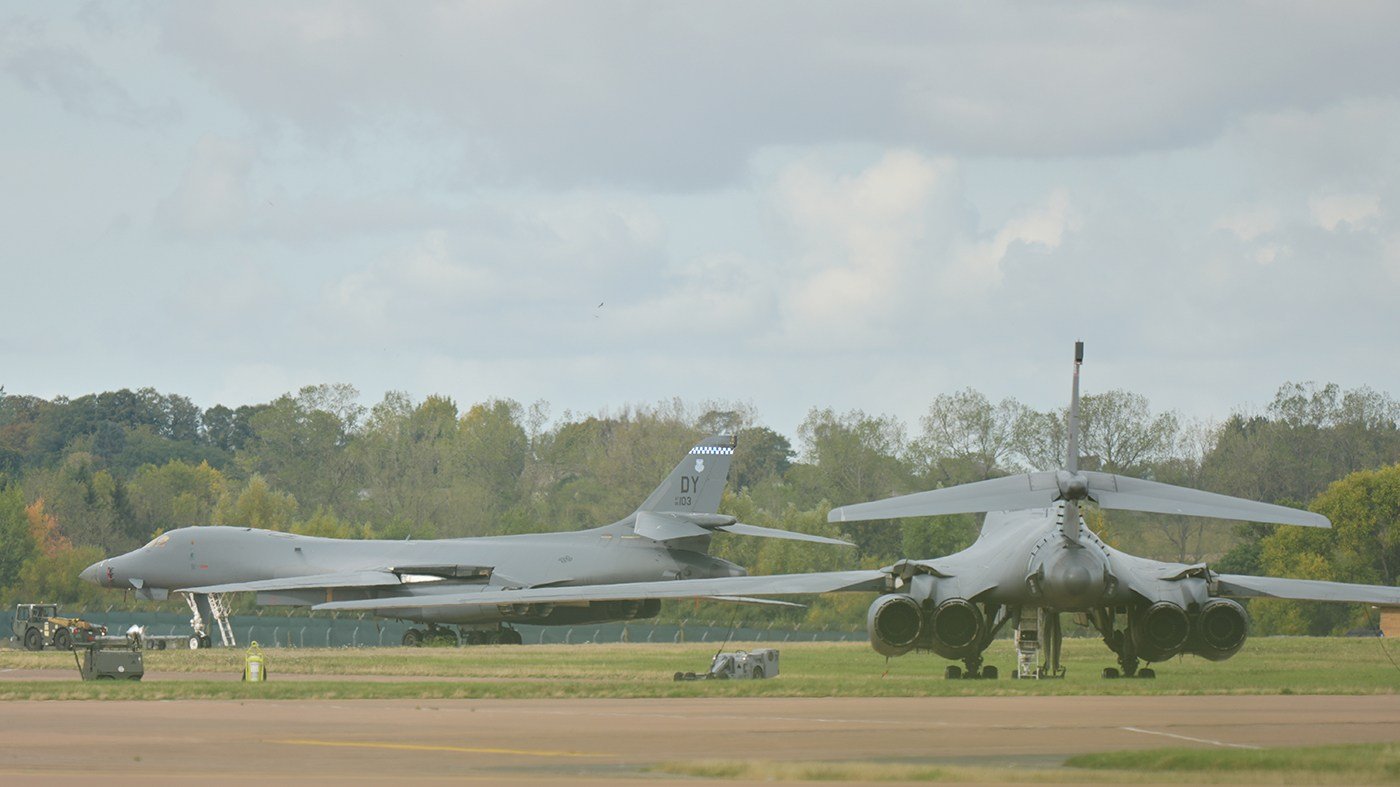
The president also indicated he was in no hurry to end the ongoing hostilities, suggesting a prolonged military engagement is possible. This comes despite growing pressure from some lawmakers and international allies for a diplomatic resolution.
On Sunday, Trump abruptly ordered the Pentagon to "substantially reduce" a joint military exercise with South Korea, arguing that the drills signal hostility toward North Korea. The decision drew immediate criticism from Senator Mark Kelly (D-Ariz.), who called it "shortsighted and a mistake." Kelly, a former Navy pilot, warned that such a move undermines deterrence and weakens alliances in the region.
The reduction in exercises is the latest in a series of unilateral shifts in U.S. defense posture, including a broader cutback in war games that has puzzled Pentagon officials and allies alike. Critics argue that these decisions are driven more by political considerations than strategic necessity.
Trump's Monday schedule includes a series of policy meetings, all closed to the press, signaling that major decisions may be in the works. Both chambers of Congress are in recess but will hold pro forma sessions, leaving little opportunity for immediate legislative oversight.
The threats against Oman add to a volatile mix in the Middle East, where the U.S. has been warned by Iran over the Strait of Hormuz, a key chokepoint for global oil shipments. Any military action could disrupt energy markets and draw in other Gulf states, further destabilizing a region already on edge.
Meanwhile, Trump's decision to cut exercises with South Korea has drawn sharp rebukes from defense experts and lawmakers, who see it as a gift to Pyongyang and a blow to the U.S.-South Korea alliance. The move is also likely to complicate ongoing diplomatic efforts to denuclearize the Korean Peninsula.
As the situation unfolds, the administration faces mounting questions about its crisis management and the coherence of its foreign policy. With no press access to key meetings, the public is left to piece together the administration's next moves from statements and leaks.