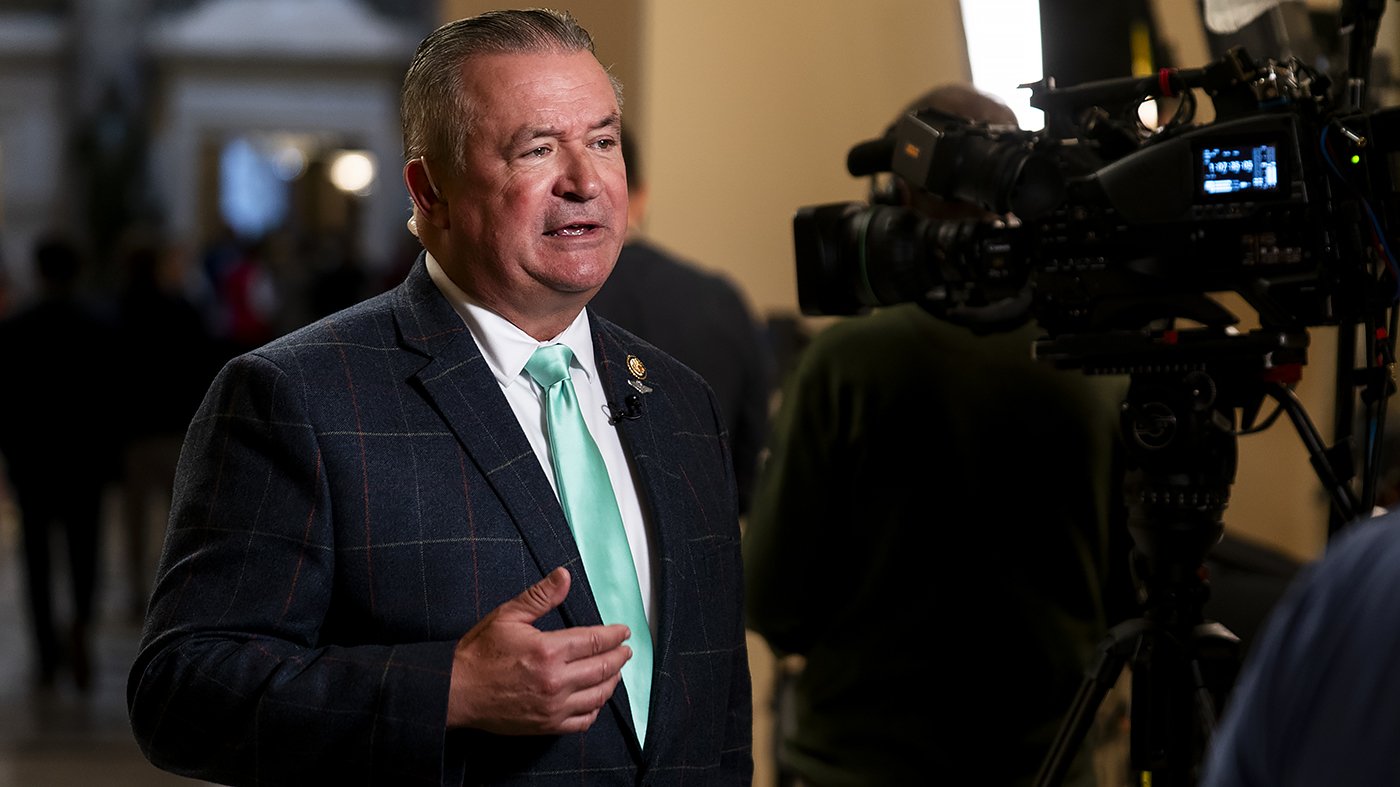
Republican Representative Don Bacon of Nebraska voiced serious concerns on Sunday over President Trump's admission that he was not informed about the U.S. military's missile shortages. Speaking on CBS News's "Face the Nation," Bacon, a member of the House Armed Services Committee, said, "I do have concerns that the president said he was not aware that we had a shortage of weapons like cruise missiles and Patriots. That's not a good thing."
Trump has publicly dismissed reports of munitions shortfalls, telling Fox News that the U.S. has used only "peanuts" in the ongoing Iran war, now nearing its sixth month. However, multiple news outlets have documented significant depletion of key weapons systems. Reuters reported earlier this month that the Army has nearly exhausted its stockpile of Tactical Missile System munitions and Precision Strike Missiles, each costing over $1 million. CNN has reported that the Pentagon has used nearly 80 percent of its Terminal High Altitude Area Defense interceptors and about half of its Patriot interceptors.
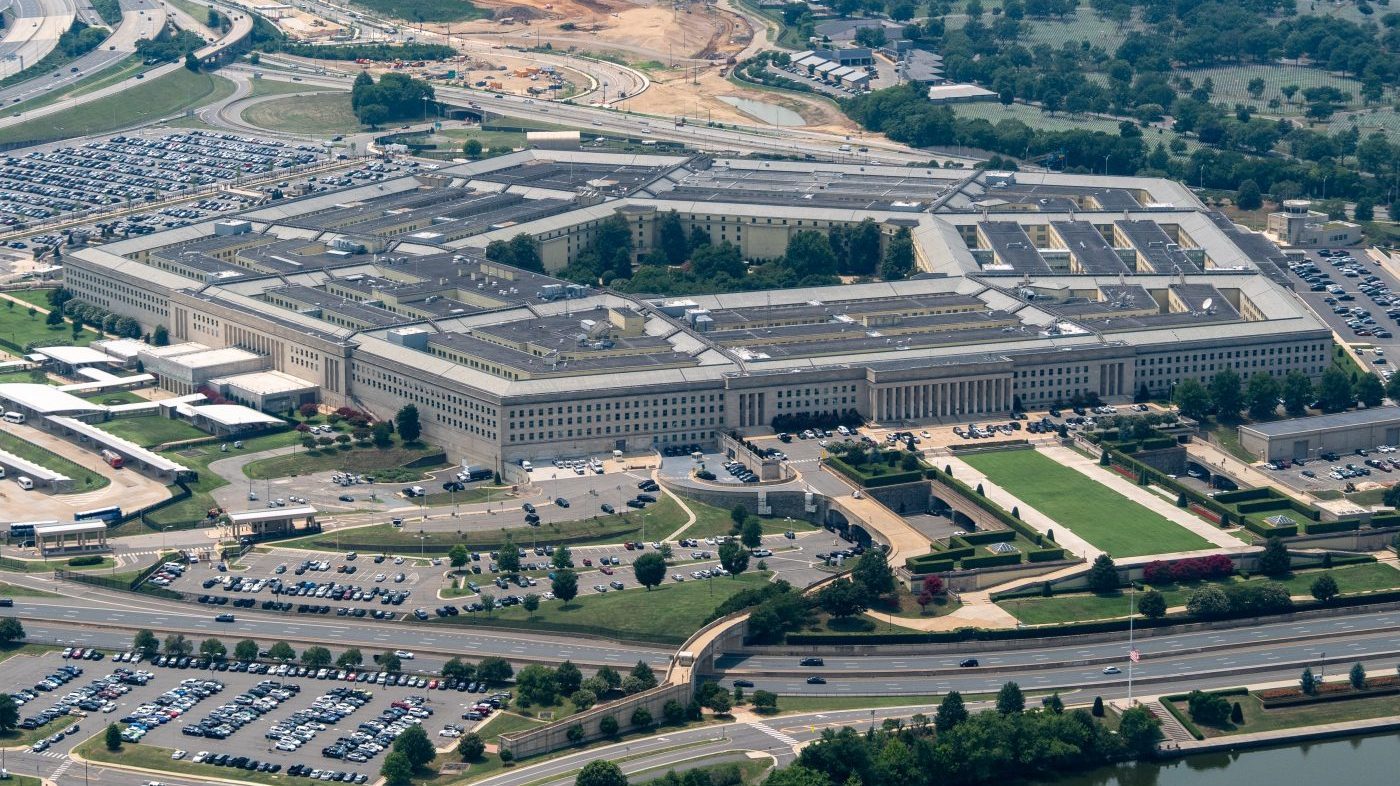
In response to these shortages, the Pentagon has recently announced several contracts to ramp up production. The Navy revealed on Monday a $22.9 billion deal with Raytheon to accelerate Tomahawk missile manufacturing. Acting Navy Secretary Hung Cao stated, "By working closely with industry to expand the capacity of our munitions industrial base, the Department is utilizing every available tool to meet the demands of current operations, guaranteeing our naval and joint forces have the lethal firepower they need to deter aggression and protect the homeland."
Bacon, who is not seeking reelection, criticized the administration's lack of transparency on munitions levels. "I think we'll get some transparency when we go back to Washington, D.C., here on the 31st of August," he said, referring to the House's return from recess. He added, "But there's a big concern for many of us that when you have a shortage of Patriots, shortage of cruise missiles, and other weapons, that this [war] has not been managed well, or in the fact that the president claims he did not know, so that's a concern."
The president's denial of the shortages has drawn sharp criticism from military experts and lawmakers alike. Retired Colonel [Name] recently warned that Trump's cuts to Korea drills were an unforced error, and similar concerns about troop welfare in the Iran conflict have been raised, as a veteran slammed Trump and Hegseth for neglecting troop welfare. The administration's handling of the war and its logistical readiness remains a contentious issue as Congress returns to session.
Defense analysts point out that the missile shortages could have long-term implications for U.S. military readiness, especially in the Indo-Pacific region where tensions with China are rising. The reduction of US-South Korea war games has also raised questions about the Pentagon's ability to maintain a credible deterrent. Bacon's remarks underscore a growing bipartisan concern that the executive branch is not fully apprised of or forthcoming about critical defense deficiencies.
As the Iran conflict continues, the Pentagon's efforts to replenish munitions will be closely watched. The $22.9 billion Raytheon contract is part of a broader strategy to shore up the industrial base, but experts note that rebuilding stockpiles will take time and sustained investment. The coming weeks are likely to see increased scrutiny from lawmakers eager to press the administration for answers.