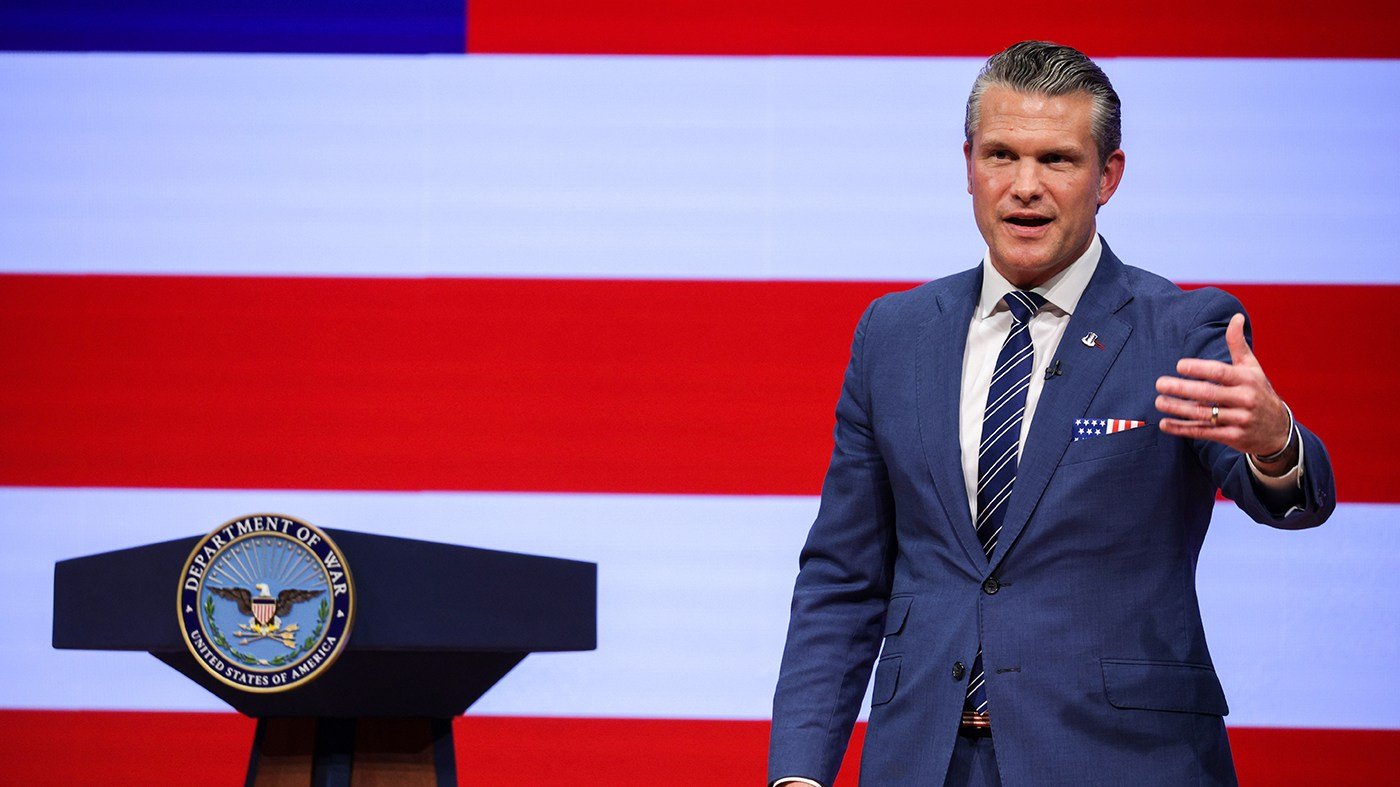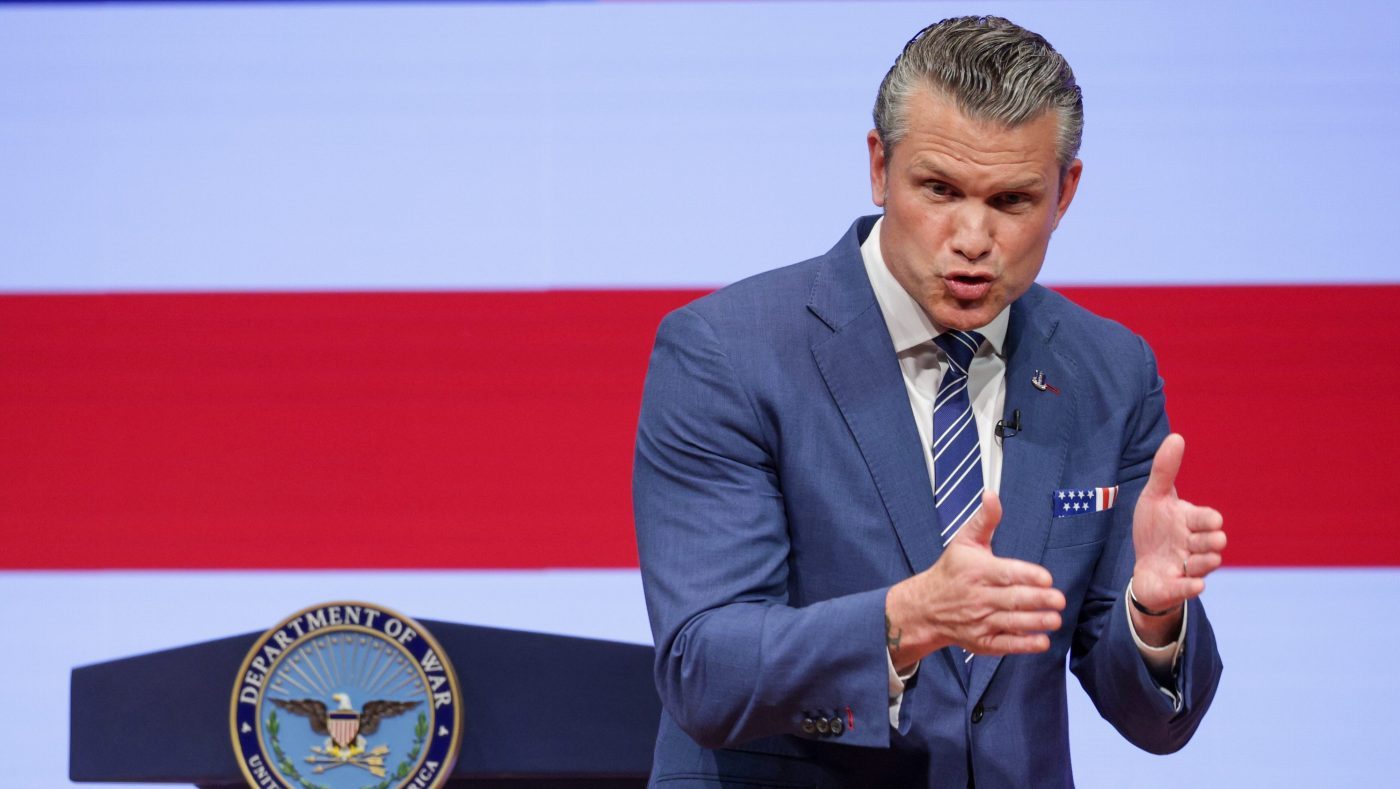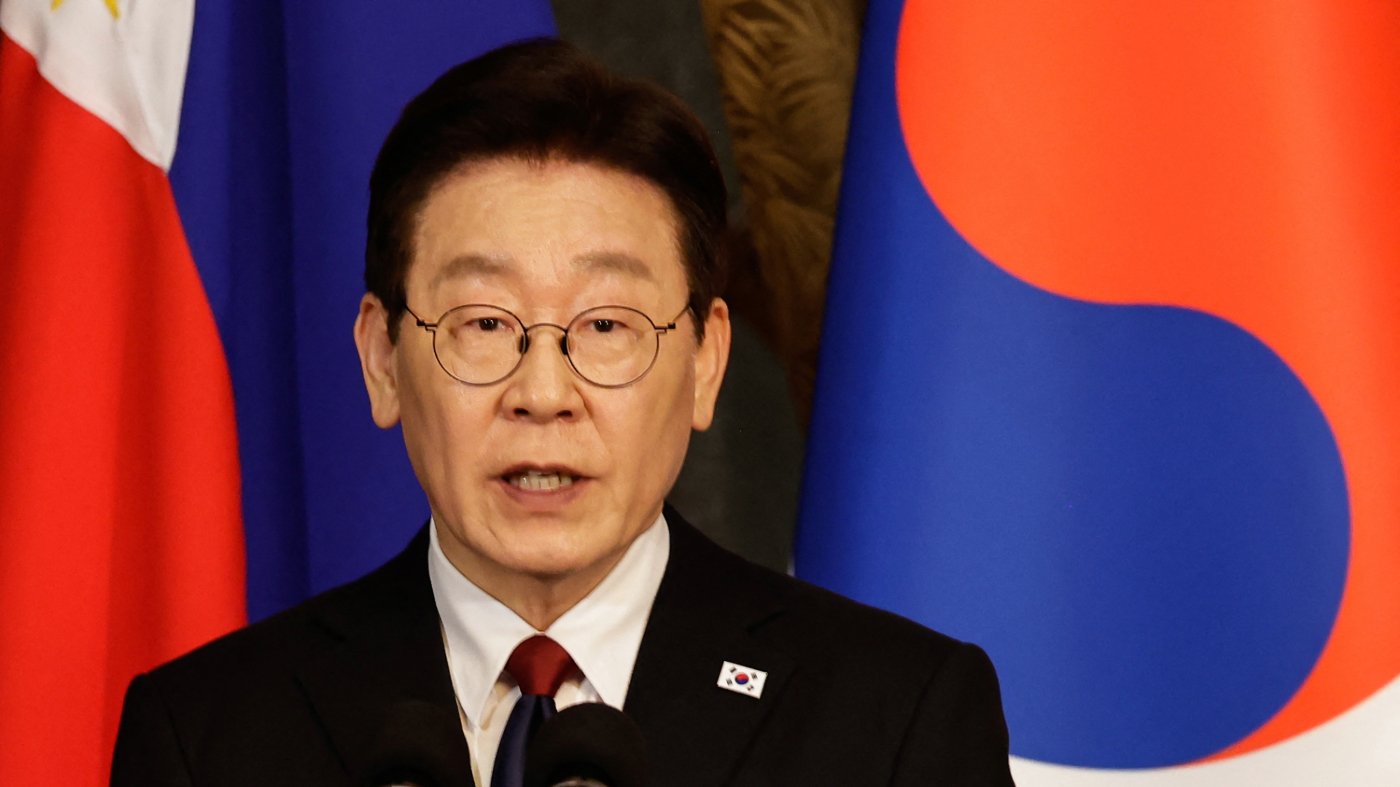
South Korea is looking to open a channel with the Trump administration following the president's weekend decision to scale back U.S. involvement in joint military drills with Seoul, a move that has drawn sharp criticism from Democratic lawmakers and raised questions about the future of the alliance.
The presidential Blue House in Seoul issued a statement expressing hope that the warm rapport between President Trump and North Korean leader Kim Jong Un could pave the way for meaningful dialogue, according to Reuters. The statement said Seoul anticipates that this relationship will lead to discussions aimed at advancing peace and stability on the Korean Peninsula.
Trump announced his decision on Sunday via his Truth Social platform, saying he was unhappy with the long-standing U.S. commitment to participate in joint exercises with South Korea. He described the drills, which began Monday and run through Aug. 27, as costly and unnecessarily hostile toward a North Korea that he said has shown no aggression during his tenure.
"These exercises are not only costly, with much of these costs paid for by the United States of America (as usual!), but send a signal that is totally inappropriate and hostile, to a Country that, as long as Donald J. Trump has been President, has been unthreatening and respectful," Trump wrote, adding that Seoul had not reciprocated by supporting U.S. efforts in the Iran conflict.
The exercises, known as Ulchi Freedom Shield, focus on modern warfare and cyber threats. But Trump's order to reduce U.S. troop participation has sparked concern among Democratic lawmakers, who argue that scaling back the drills undermines deterrence against North Korea and weakens the U.S.-South Korea alliance. Critics have called the move shortsighted, warning it could embolden Pyongyang.
In response, South Korean officials said they are closely monitoring the situation. A government official told The Asia Business Daily that Seoul is "actively participating" in international discussions on a renewed push for a ceasefire in Iran and on ensuring freedom of navigation in the Strait of Hormuz, signaling an effort to show solidarity with Washington on other fronts. The official added, "We will make every diplomatic effort as a pace-setter under close cooperation between South Korea and the United States."
Over the weekend, South Korean President Lee Jae Myung also voiced his own hopes for talks with North Korea, reiterating a long-standing goal of formally ending the Korean War, which concluded with an armistice in 1953 but never a peace treaty. "We must strive to achieve a state of peaceful coexistence that is stable and lacks any grounds for confrontation," Lee said in public remarks. "We will embark on a journey to end war and transform the Korean Peninsula's unstable armistice into a peace regime."
The move comes amid broader questions about Trump's foreign policy approach, including his threats to bomb Oman amid tensions over the Iran deal. Some analysts see Trump's decision on the exercises as part of a pattern of prioritizing personal diplomacy over traditional military alliances, a stance that has strained relations within his own party.
As the drills continue, South Korea is walking a delicate line, seeking to maintain its security partnership with the United States while also pursuing an opening with the North. Whether Trump's order will lead to a broader shift in U.S. policy on the peninsula remains to be seen.