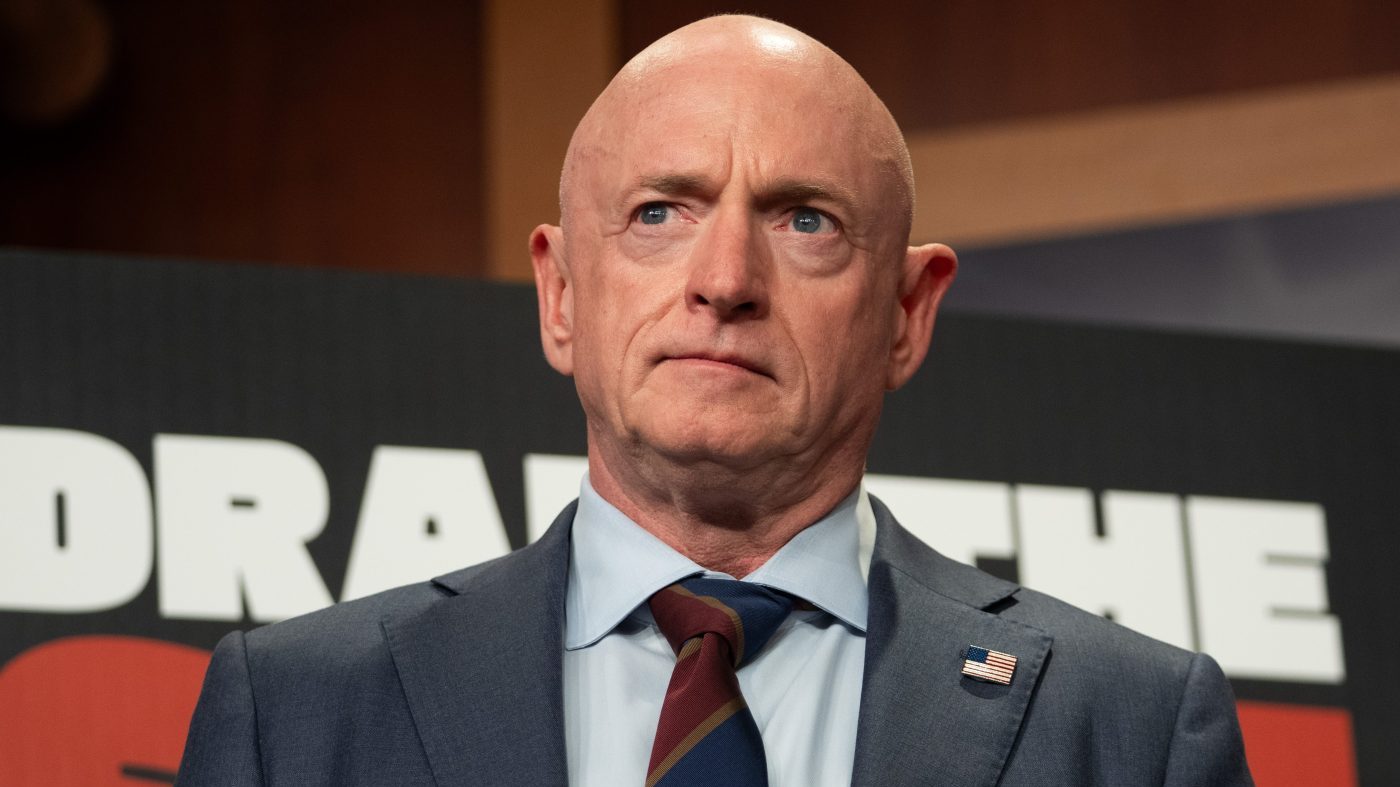
Sen. Mark Kelly (D-Ariz.), a retired Navy captain, sharply criticized President Trump's directive to scale back joint military exercises with South Korea, calling the move "shortsighted" and "a mistake" that undercuts the U.S. commitment to its ally.
"North and South Korea are still technically at war," Kelly wrote Sunday on X. "Our ability to help defend our ally against the North Koreans is because our forces are well trained and able to coordinate with the South Koreans. Hollowing out these joint exercises is shortsighted and a mistake."
Kelly's remarks echo broader concerns from Democratic lawmakers who argue the reduction erodes deterrence and signals weakness to Pyongyang. The annual Ulchi Freedom Shield exercises, which began Monday and run through Aug. 27, focus on modern threats including cyberattacks, drone incursions, and GPS jamming.
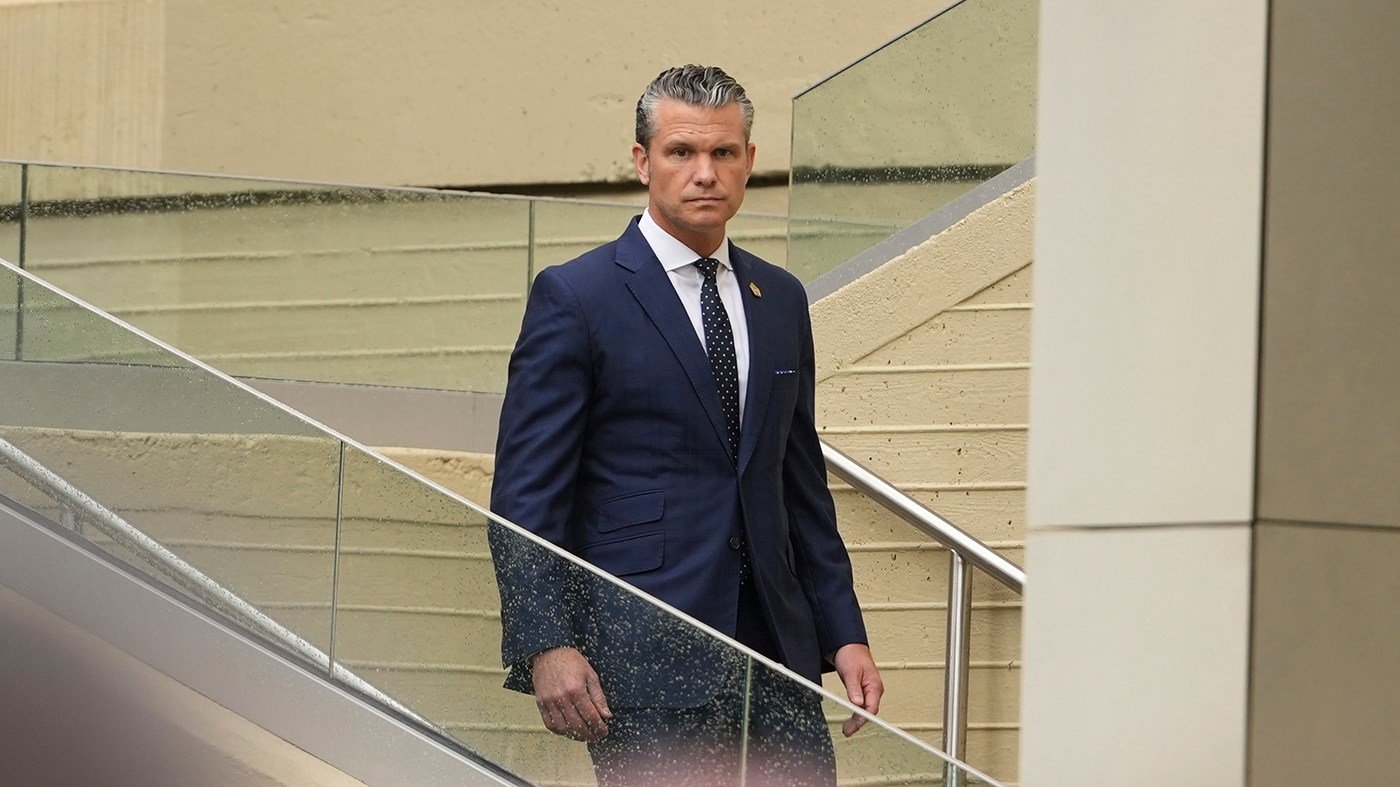
Trump, in a Truth Social post Sunday, directed Defense Secretary Pete Hegseth to "substantially reduce" the drills, describing them as "costly" and sending "a signal that is totally inappropriate and hostile." He also claimed North Korea under Kim Jong Un has been "unthreatening and respectful" during his administration—a characterization that contradicts longstanding assessments of North Korea's nuclear and missile programs.
Sen. Andy Kim (D-N.J.) said the decision shows "disregard" for the U.S.-South Korea alliance. "Decisions about joint exercises need to be made jointly—and not announced unilaterally by social media," Kim wrote online. "I will continue to press this administration to strengthen our security, economic, trade, and technology ties—which all benefit the American people and the broader Indo-Pacific region."
Former Rep. Adam Kinzinger (R-Ill.), a Trump critic, warned that reducing U.S. troop participation could have lasting consequences. "This is how American alliances get destroyed—and how you convince countries like South Korea and Japan that they may need nuclear weapons of their own," he posted on X. "The damage from this could last generations."
The move fits Trump's broader push for "burden-sharing" among allies, as outlined in his 2025 National Security Strategy. The plan urges Japan and South Korea to increase defense spending, focusing on capabilities necessary to deter adversaries and protect the First Island Chain. However, critics argue that unilaterally cutting exercises undermines the very cooperation the strategy seeks to enhance.
The reduction comes amid heightened tensions on the Korean Peninsula, with North Korea continuing missile tests and rhetoric. Analysts note that the Ulchi Freedom Shield drills are critical for maintaining interoperability between U.S. and South Korean forces. The decision has also drawn attention to Trump's foreign policy approach, which has often favored personal diplomacy over institutional alliances—a pattern that has raised concerns among both allies and domestic critics.
As the exercises proceed at a reduced scale, the administration faces questions about how it will balance cost-saving measures with security commitments. For now, the move has deepened partisan divisions over how best to handle North Korea and underscored the fragility of longstanding alliances in the Indo-Pacific.