Retired Air Force Col. Cedric Leighton on Sunday sharply criticized President Trump's directive to scale back joint military exercises with South Korea, describing the move as an “unforced error” that could undermine U.S. alliances in the region.
Speaking on CNN's “Newsroom,” Leighton warned that the decision could have “serious impacts” on Washington's ties with both Seoul and Tokyo. “South Korea is a critical ally for us,” he said, adding that the notion that the U.S. bears the full financial burden of these drills is “absolutely false.” He noted that South Korea contributes significantly to the costs of the exercises and to the upkeep of U.S. troops stationed there.
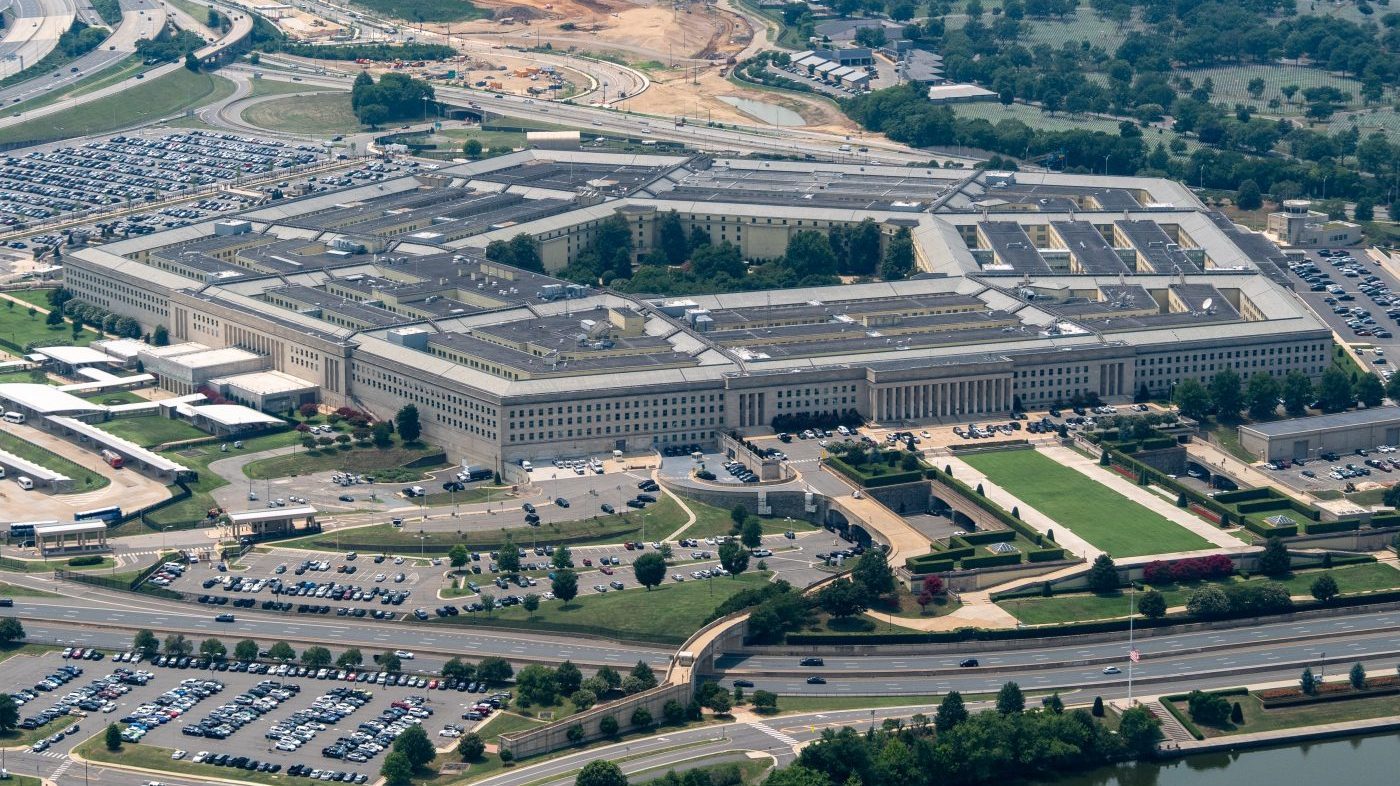
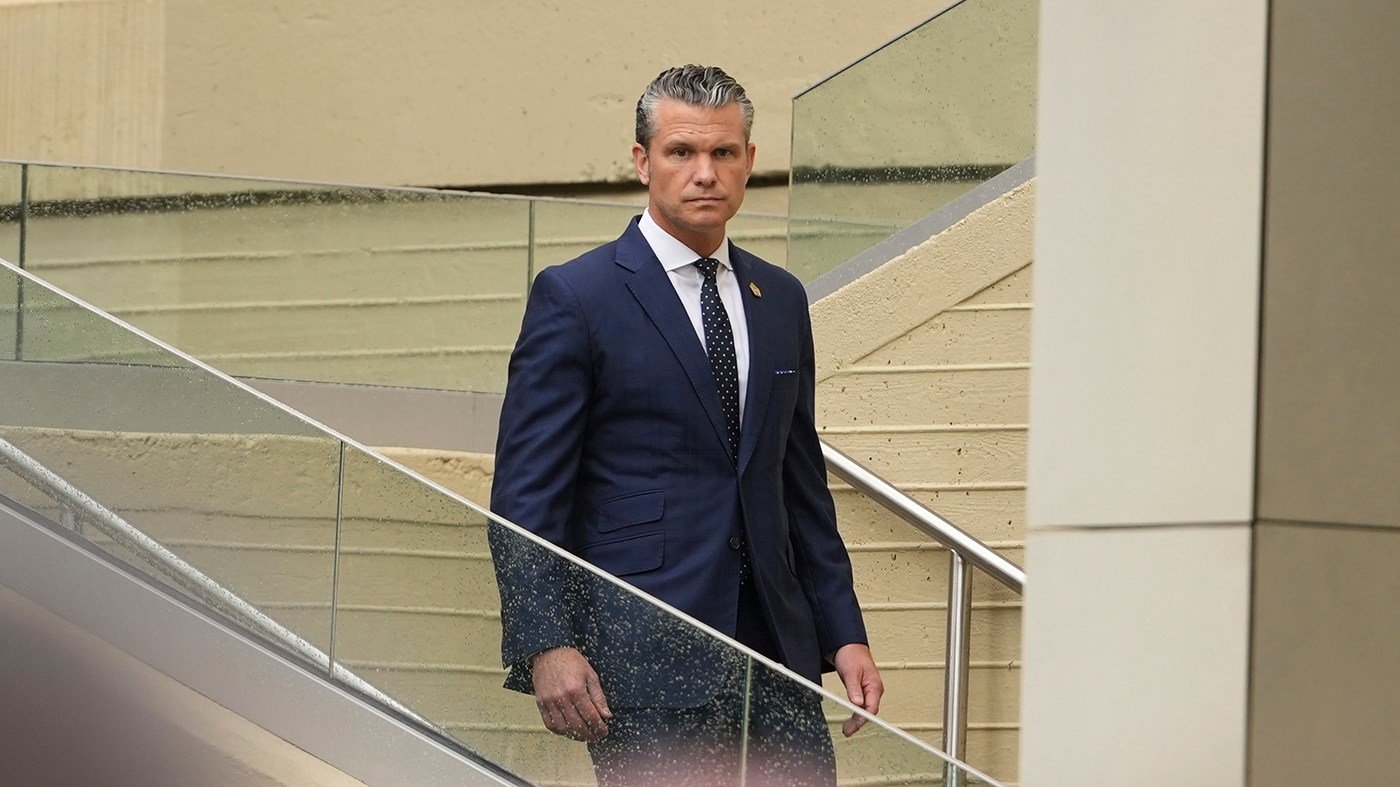
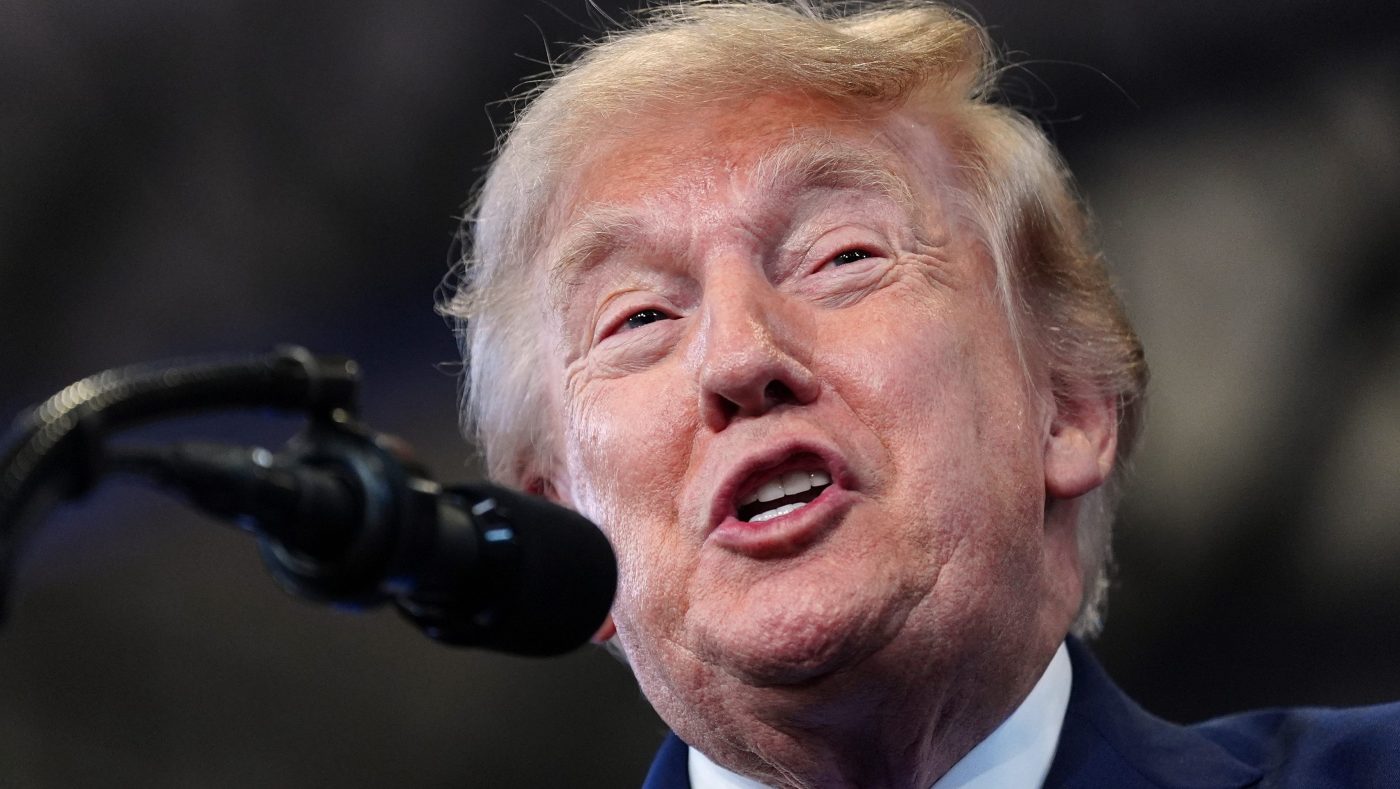
Trump announced Sunday that he had instructed Defense Secretary Pete Hegseth to “substantially reduce” the joint exercises, which were scheduled to run from Monday through Aug. 27. In a post on Truth Social, the president argued that the drills are “costly” and send “a signal that is totally inappropriate and hostile” to North Korea, which he described as “unthreatening and respectful” during his tenure.
This is not the first time Trump has sought to curb these military activities. During his first term, he touted his personal rapport with North Korean leader Kim Jong Un, meeting him three times. However, the two have not met in person during Trump's current term. On Sunday, Trump reiterated that he has a “very good relationship” with Kim, while expressing displeasure that the U.S. and South Korea had agreed to conduct these exercises decades ago.
Leighton, however, dismissed the significance of Trump's relationship with Kim, calling it “ephemeral at best.” He expressed concern that the president is placing too much “stock” in that connection. “The things that we do in those exercises are critical for the joint defense, not only of South Korea and Japan, but also for defense of the United States as well,” he said.
The retired colonel, who left the Air Force in 2010, argued that the reduction hands an advantage to North Korea. “What you're seeing is the North Koreans are getting an advantage, really an unforced error on our part,” he said, adding that the move “is going to damage the relationship that we have with the South Koreans. And that's not a good thing.”
The decision has drawn criticism from other former military officials as well. Retired Gen. John Kelly, who served as Trump's chief of staff, previously called the cut “shortsighted.” Kelly's criticism echoes concerns that the move weakens deterrence against North Korea and undermines regional stability.
Seoul has sought to manage the fallout, with South Korean officials pursuing talks to salvage the alliance's military readiness. The Pentagon's implementation of the order remains unclear, but the reduction in exercises is expected to have lasting implications for the U.S.-South Korea defense posture.
Leighton's remarks highlight a broader unease among national security experts about the president's approach to alliances. As the U.S. faces challenges from China and North Korea, the erosion of joint military cooperation could have far-reaching consequences, not only for the Korean Peninsula but for the entire Indo-Pacific region.