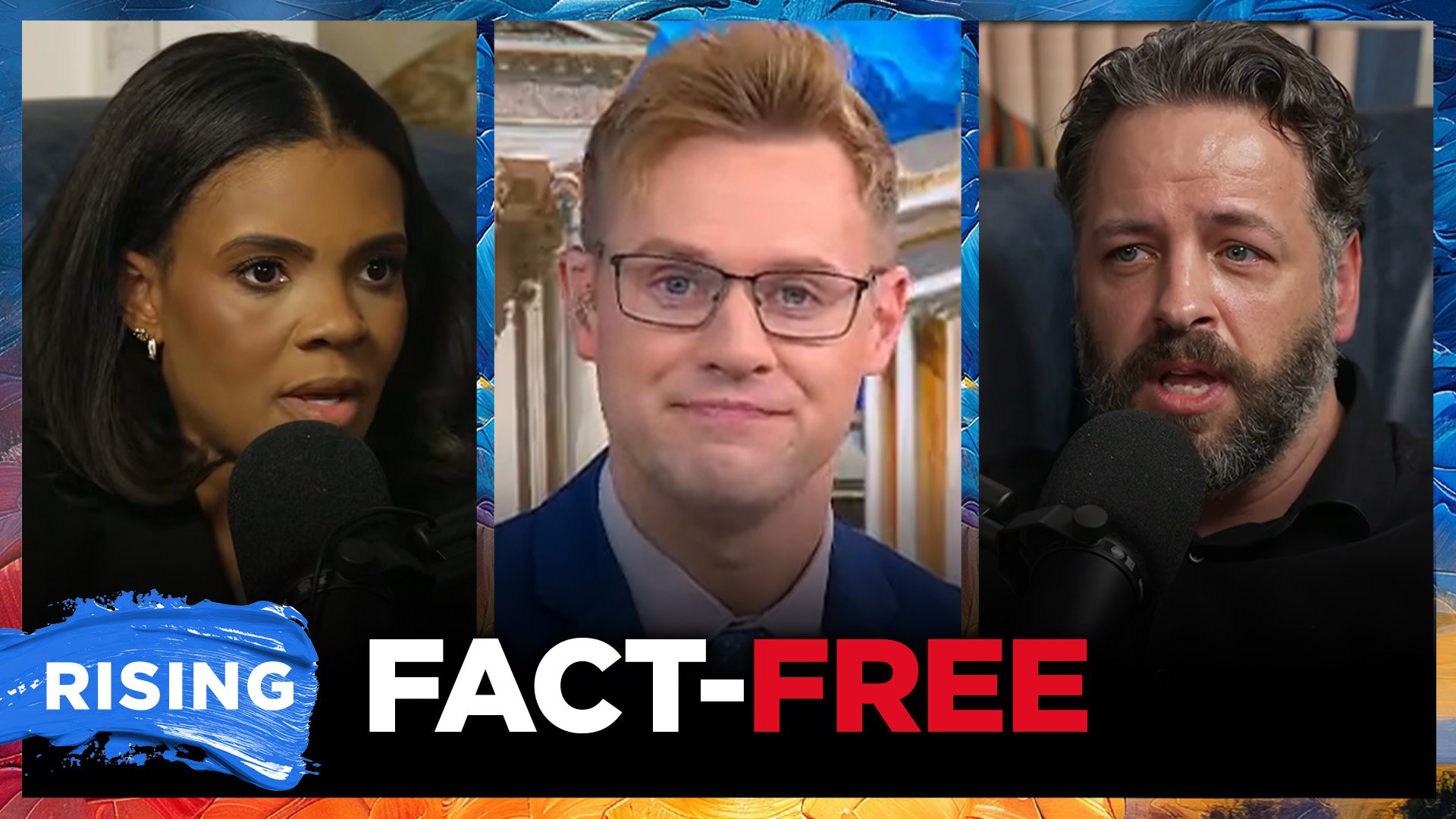
In a marathon four-hour debate hosted by Patrick Bet-David, conservative commentator Andrew Wilson systematically dismantled Candace Owens' claims that Tyler Robinson was framed for the murder of Charlie Kirk. The event, which Wilson reportedly funded with $300,000 of his own money, was intended as a public service to challenge what he called Owens' unsupported conspiracy theories.
Wilson, a firearms expert, laid out a compelling case: Robinson's DNA was found on the murder weapon, forensics confirmed it was the gun used to kill Kirk, and surveillance footage places Robinson in the building from which the shot was fired. Most damning, Robinson himself confessed in text messages, acknowledging he was on camera and stating he was there to kill Kirk. His defense team has not contested the authenticity of these messages.
Owens, however, offered no evidence to support her theory that Robinson was a patsy set up by the government, Israel, or Turning Point USA. She questioned why Robinson's fingerprints on the weapon were more degraded than others, but Wilson countered that faint evidence of guilt cannot be twisted into proof of innocence. He also noted that no one—including Robinson's own family and friends—disputes that the man in the surveillance footage is Robinson.
The debate highlighted a growing divide in conservative circles over how to handle conspiracy theories. While Wilson's factual approach was lauded by some, online audiences seemed to think Owens won, illustrating the challenges of persuasion in today's polarized media environment. This dynamic is not unlike the recent clashes in the Michigan Senate debate, where candidates traded accusations over Israel and corporate funding.
Owens' performance was widely criticized for its lack of substance. She failed to provide a single piece of evidence supporting her claim that there is "zero chance" Robinson killed Kirk. Her arguments often devolved into questioning the state's evidence without offering an alternative narrative. Wilson, by contrast, stuck to the facts: DNA, forensics, surveillance, and a written confession.
The implications of this debate extend beyond the murder case. It underscores a broader trend in conservative media where conspiracy theories can overshadow factual reporting. As South Carolina GOP Senate candidates face off in their own debates, the contrast between evidence-based arguments and speculative claims is becoming a defining issue.
Wilson's willingness to invest his own money in this debate suggests a strategic effort to push back against misinformation within his own political sphere. Yet, the mixed reaction online suggests that even well-funded, fact-driven arguments may struggle to break through echo chambers. This mirrors the challenges seen in debates over permanent daylight saving time, where partisan lines often trump scientific consensus.
Ultimately, the evidence against Robinson is overwhelming, as Wilson repeatedly emphasized. There is no credible alternative theory, only speculation. Owens' insistence on a conspiracy, without a shred of proof, plays into the hands of those who seek to undermine trust in the justice system. As political discourse continues to evolve, the need for rigorous, evidence-based debate has never been more critical.