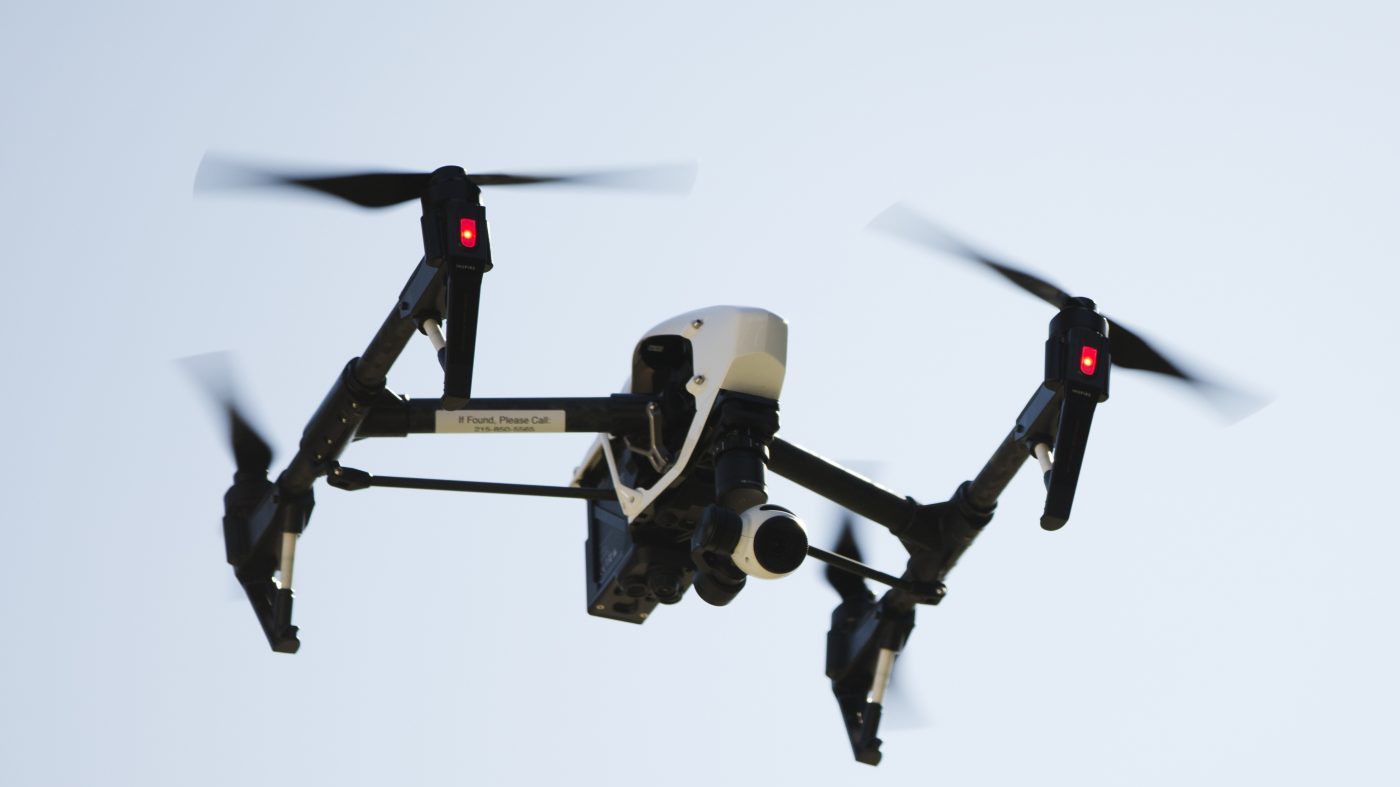
Aviation safety is under renewed scrutiny after two incidents involving drones and commercial aircraft at major New York-area airports within days. On Monday, a JetBlue pilot reported striking a drone while landing at John F. Kennedy International Airport. Days earlier, a United Airlines pilot said he narrowly missed a drone during approach at Newark Liberty International Airport, according to Travel and Tour World.
The Federal Aviation Administration’s data paints a broader picture of the growing threat. In 2025, the agency recorded more than 1,800 drone sightings—an average of over 100 per month, or about five each day. The numbers underscore a persistent problem that safety experts say could have catastrophic consequences.

“Even small drones can be dangerous because pilots have very little time to react,” said an aviation safety expert. The FAA requires drone operators to stay below 400 feet and adhere to airspace restrictions around airports, but enforcement remains a challenge.
Penalties for unauthorized drone flights are steep: fines can reach up to $75,000 per violation. The agency has also confiscated more than 300 drones near World Cup venues, where temporary no-fly zones have been established amid heightened security. For more details on that operation, see TSA Confiscates 300+ Drones at World Cup Venues Amid Heightened Security.
The JetBlue incident is still under investigation by the FAA. The close calls come as the agency also probes other near misses, including a recent near midair collision between Delta and American jets at Boston Logan, highlighting broader concerns about airspace safety.
Lawmakers have increasingly focused on drone regulation, but legislative action has been slow. The rise in sightings has prompted calls for tighter rules, including mandatory remote identification systems and geofencing technology to keep drones away from airports.
Industry groups warn that without stronger enforcement, the frequency of near collisions will only increase. The FAA has urged drone operators to follow the rules, but the recent incidents suggest that compliance is far from universal.