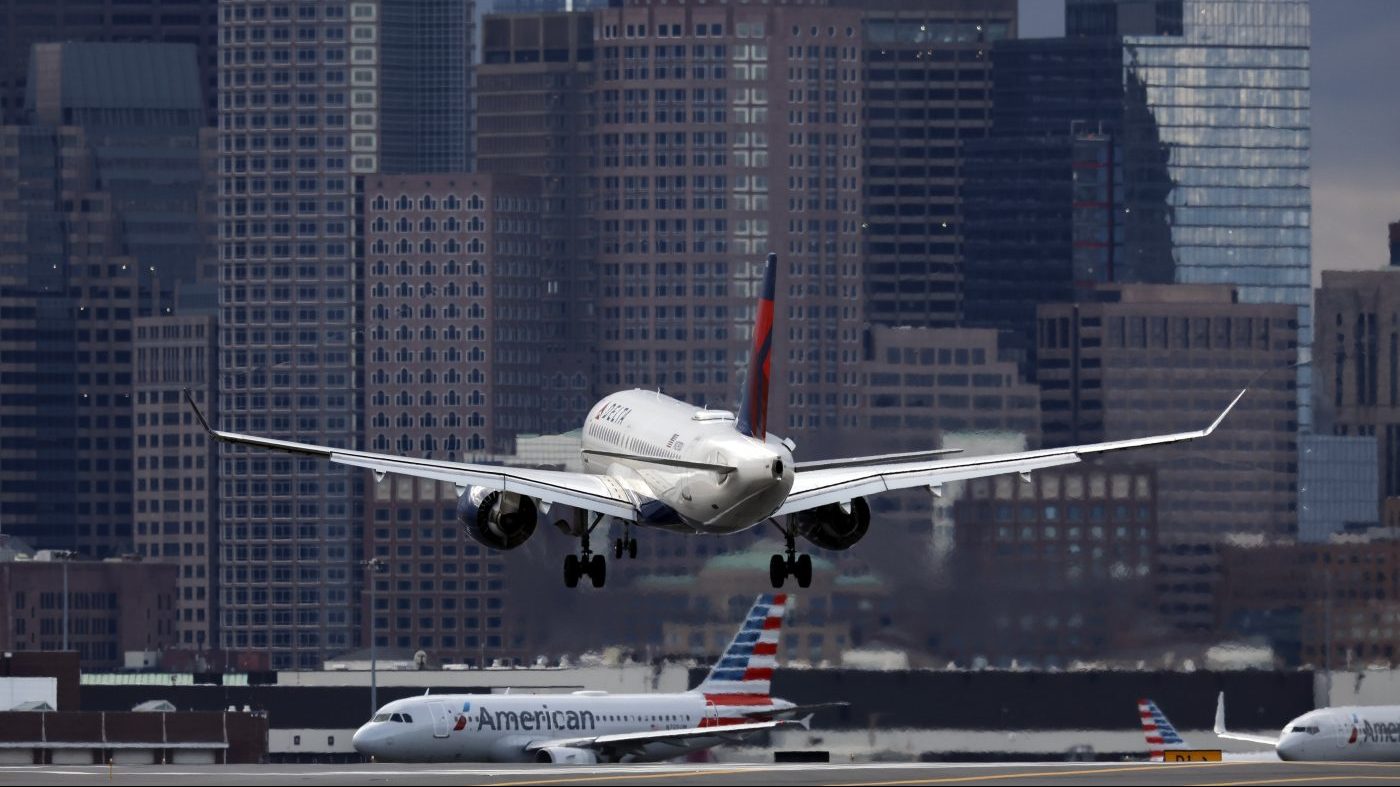
The Federal Aviation Administration has launched an investigation into a potentially dangerous incident at Boston Logan International Airport on Saturday, where two commercial airliners came dangerously close to colliding on intersecting runways.
Delta Air Lines Flight 2351, an Airbus A319 carrying 129 passengers and six crew members, was approaching Boston from Dallas-Fort Worth when its pilots were forced to execute a go-around—an aborted landing—after an American Airlines flight began its departure from a crossing runway, according to the FAA. The incident occurred around 11:30 a.m. EDT.
Delta confirmed that the flight crew received an advisory from onboard systems warning of nearby traffic, coordinated with air traffic control, and performed the go-around as a precaution. The aircraft landed safely shortly thereafter and deplaned without further incident, a company spokesperson said.
While the FAA describes go-arounds as routine and safe maneuvers used at the discretion of pilots or controllers to maintain safety, this incident has drawn scrutiny given the proximity of the two jets. The Delta flight landed at 11:45 a.m. EDT, while American Airlines Flight 3161 departed Boston at 11:34 a.m. and arrived at Charlotte Douglas International Airport at 1:30 p.m. EDT, according to Flightradar24 data.
American Airlines referred questions about the incident to the FAA, which has not yet released details on the minimum separation distance between the two aircraft. The agency typically investigates any event where safety margins are breached, and this case is no exception.
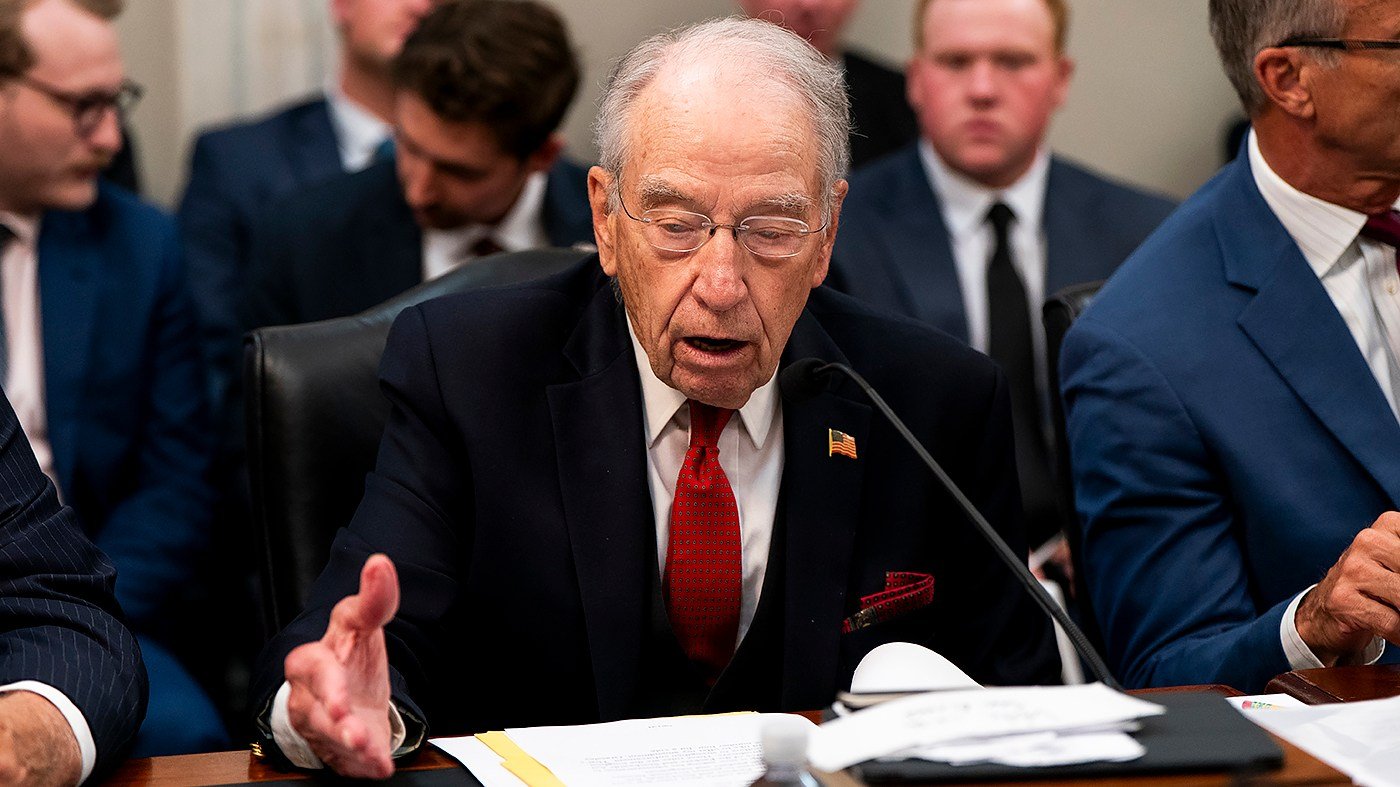
The close call comes amid heightened concern over runway safety and air traffic control staffing, issues that have been the subject of recent congressional hearings and federal oversight. The FAA has been under pressure to modernize aging infrastructure and address controller shortages, particularly at busy airports like Boston Logan.
This incident also underscores the ongoing debate over federal investment in aviation safety and infrastructure, a topic that has seen renewed attention as public trust in federal agencies hits record lows. Meanwhile, the FAA's investigative process will likely examine whether air traffic procedures or communication gaps contributed to the near miss.
Delta said its crew acted professionally and that the flight landed without any issues. The airline emphasized that safety remains its top priority and that it is cooperating fully with the FAA's inquiry.
As the investigation continues, this incident serves as a reminder of the complexities of managing intersecting runway operations at major airports, where even routine go-arounds can raise questions about systemic safety measures. The FAA has not indicated whether any enforcement actions or procedural changes are under consideration.