A simmering Republican dispute over intoxicating hemp products has become the main sticking point in the push to pass a stopgap government funding bill, catching lawmakers off guard and complicating what was expected to be a routine process.
Senate Appropriations Committee Chair Susan Collins (R-Maine) confirmed the issue is unresolved, telling reporters, “The hemp issue is the outstanding issue.” GOP leaders had hoped to lock in funding through the midterm elections, giving vulnerable members time to campaign, but the White House's demand to delay a congressionally approved ban on hemp-derived THC has thrown a wrench into those plans.
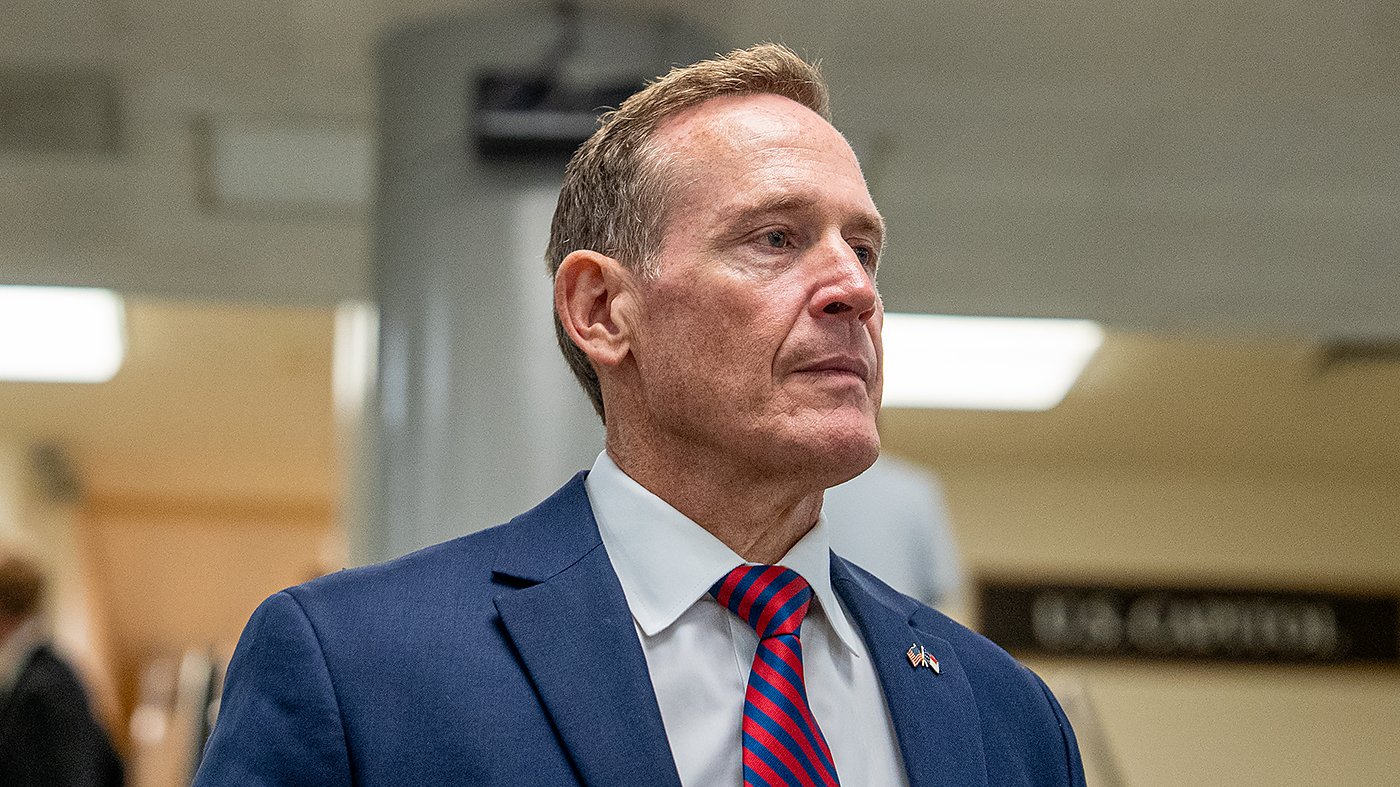
Sen. Ted Budd (R-N.C.) is leading a bipartisan group of senators pressing for an immediate vote on an amendment that would strip the delay from the bill. “Let’s get a vote,” Budd said Thursday. “Get on with our business. Get back to our states.” His amendment has 13 co-sponsors, including Democrat Kirsten Gillibrand of New York.
The dispute centers on a provision in the stopgap bill that would push back the effective date of a ban on most hemp-derived THC products from November 12 to December 11. The ban, signed into law by President Trump last year, was designed to close the so-called “hemp loophole” created by the 2018 Farm Bill, which legalized hemp but left a regulatory vacuum that allowed companies to synthesize high levels of THC.
Hemp industry stakeholders argue the extra month would give them time to convince lawmakers that regulation, not prohibition, is the better path. But Budd and his allies say the products—often sold in packaging resembling candy—pose a serious risk to children. “So, if substances cause intoxication like marijuana, then it should be regulated as such, not given a free pass as hemp,” Budd said on the Senate floor. “There is no loophole worth putting a child’s wellbeing at risk.”
Senate Republicans met with Vice President JD Vance behind closed doors Thursday, but afterwards said hemp was not a major topic and they remained unclear why the White House is so invested in the delay. Some speculate that White House chief of staff Susie Wiles is behind the push, given that her son-in-law, Bret Worley, is CEO of a major hemp-derived product manufacturer that would be affected.
One industry source suggested the administration is also mindful of public opinion, noting, “Taking these products off the market is not going to help an administration that is struggling with popularity.” The source added that other administration allies, like Howard Kessler, have been vocal on the issue, and that the delay also appeals to followers of the Make America Healthy Again (MAHA) movement.
Hemp industry insiders say the White House has been signaling its position for months. In April, Trump posted on Truth Social calling on Congress to “update the Law” to allow access to full-spectrum CBD products while restricting those that pose health risks. The Office of Management and Budget echoed that in June, and again in a July wish list for the stopgap bill.
The stopgap bill includes a carveout for fully synthetic cannabinoids that are not naturally produced by the cannabis plant, which would still be banned on the original timeline. But the broader delay has become a flashpoint, with Senate leaders typically relying on unanimous consent to speed things along—meaning any single senator can hold up the process.
The fight is threatening to derail the bipartisan stopgap effort that had been moving forward. Meanwhile, Vice President Vance has stepped into the fray, though his intervention has yet to resolve the impasse. As the clock ticks down, lawmakers are eager to avoid a shutdown, but the hemp dispute remains unresolved.