President Trump on Thursday signed two new executive orders designed to restrict birthright citizenship, a move widely seen as an attempt to bypass a recent Supreme Court decision that reaffirmed the constitutional guarantee. The orders come just weeks after the high court struck down his earlier executive action on the same issue.
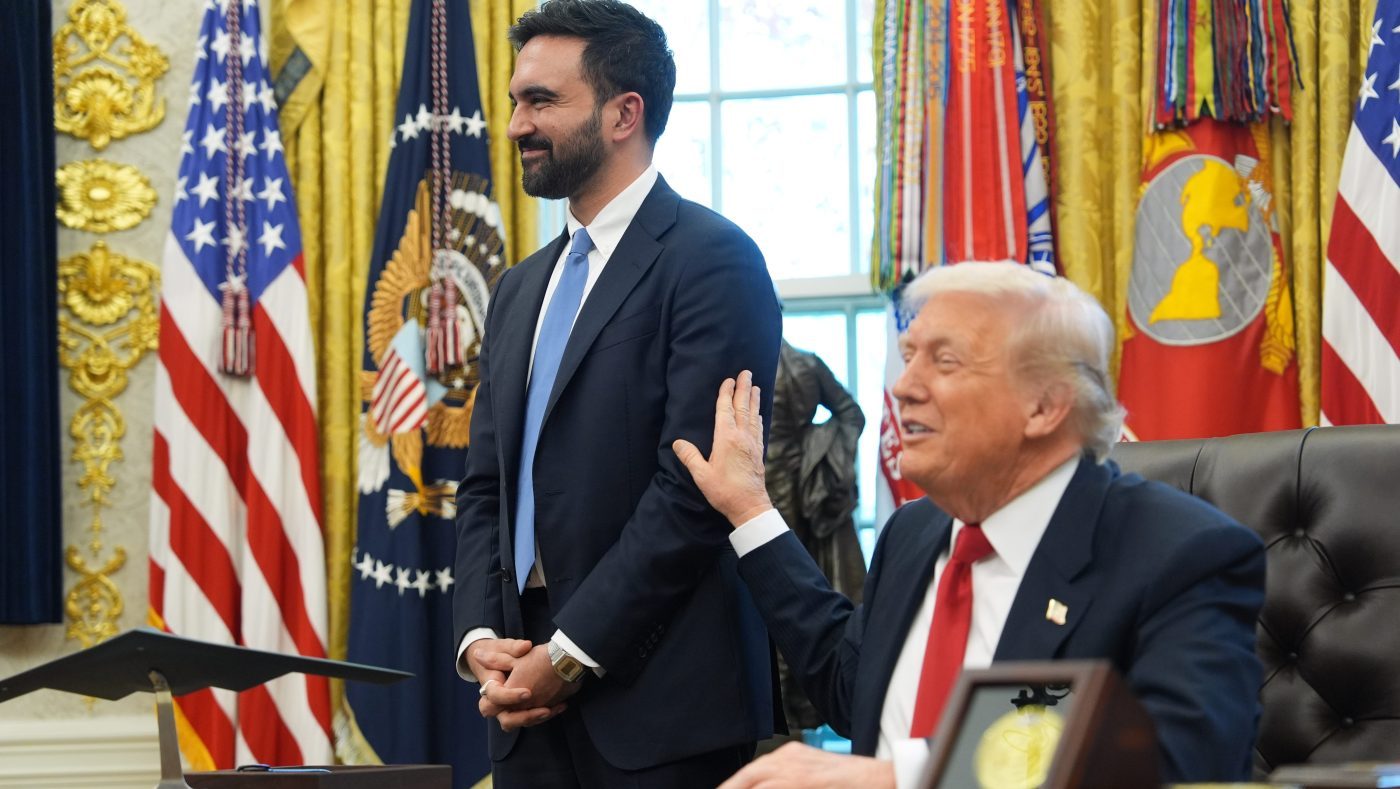
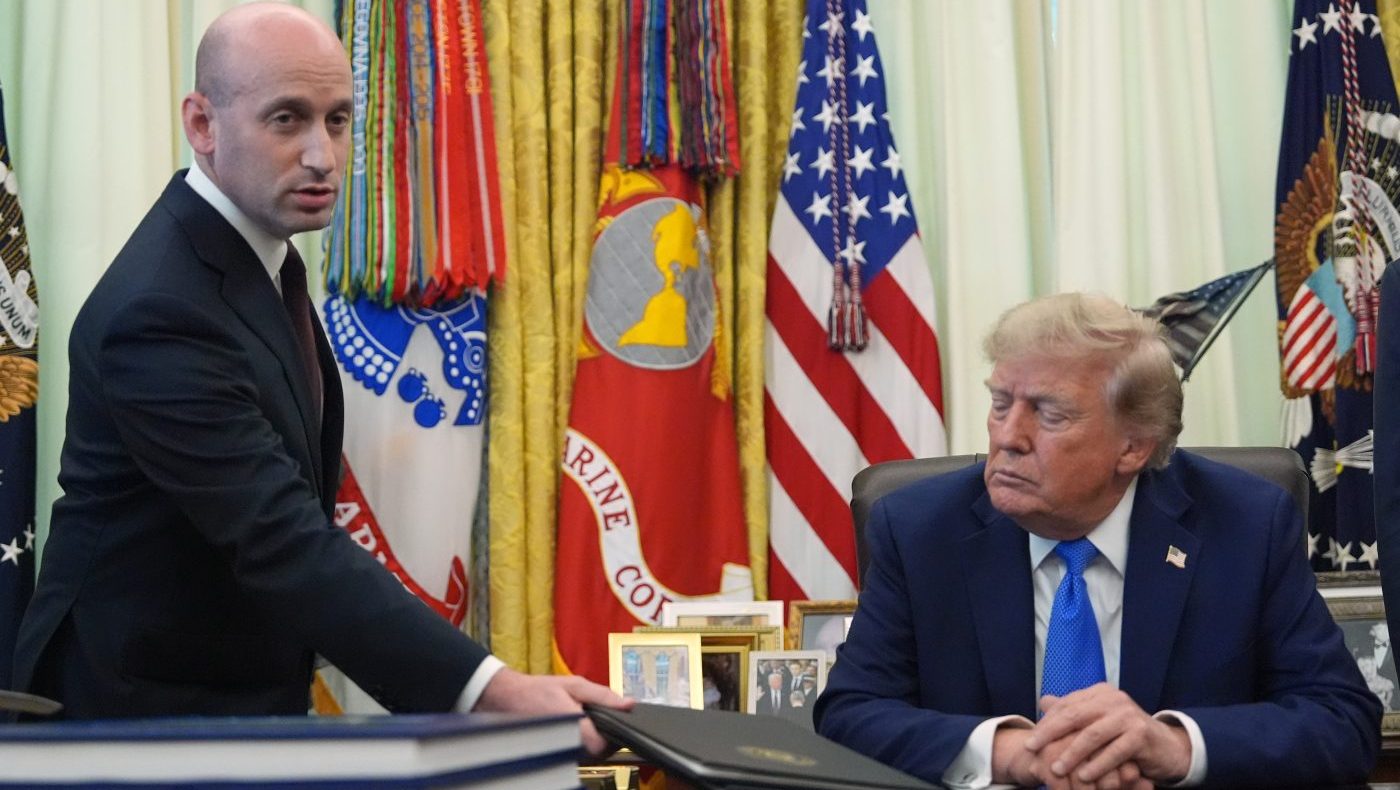
In late June, the Supreme Court ruled against Trump's Day 1 executive order that sought to end automatic citizenship for all children born on U.S. soil, declaring it a violation of the 14th Amendment. The president expressed disappointment with the ruling during a signing ceremony in the Oval Office, calling it "very unfortunate" and "close," while insisting that the policy is "very unfair."
The first of the new orders expands the categories of individuals whose children would be ineligible for automatic citizenship. According to administration officials, this includes "alien enemies of the United States, members of foreign terrorist organizations and large categories of people who lobby and act on behalf of foreign governments." The order is expected to face immediate legal challenges, as legal experts argue it still conflicts with the 14th Amendment's citizenship clause.
The second order targets the practice of "birth tourism," where pregnant women travel to the United States specifically to give birth and secure citizenship for their children. While obtaining a visa under fraudulent pretenses is already illegal, the order aims to crack down more aggressively on this practice, which has become a focal point for conservative advocates of stricter immigration policies.
Trump's actions come amid a broader push by his administration to reshape immigration and citizenship policies. The president has frequently cited birthright citizenship as a loophole that encourages illegal immigration and abuse of the system. However, constitutional scholars and civil rights groups argue that the 14th Amendment's language is clear and that any change would require a constitutional amendment, not an executive order.
The Supreme Court's earlier ruling was a significant setback for the administration, and these new orders are likely to reignite the legal battle. Legal analysts expect that the expanded definitions in the first order will be challenged in court, potentially setting up another showdown before the Supreme Court.
In related news, the administration's stance on immigration has been a central theme in recent political contests, including Tennessee's primary race, where Trump's influence is being tested. The president's hardline immigration policies have also drawn criticism from international observers, who point to a broader pattern of unilateral decision-making that echoes Soviet tactics and undermines U.S. global standing.
Meanwhile, the administration continues to face scrutiny over other controversial policies, including a reported dispute over munitions shortages that has drawn the president's public support for Defense Secretary Pete Hegseth. As the White House pushes forward with its agenda, the legal and political battles over citizenship are likely to intensify.
This is a developing story, and more details are expected as the administration releases the full text of the executive orders and legal challenges begin.