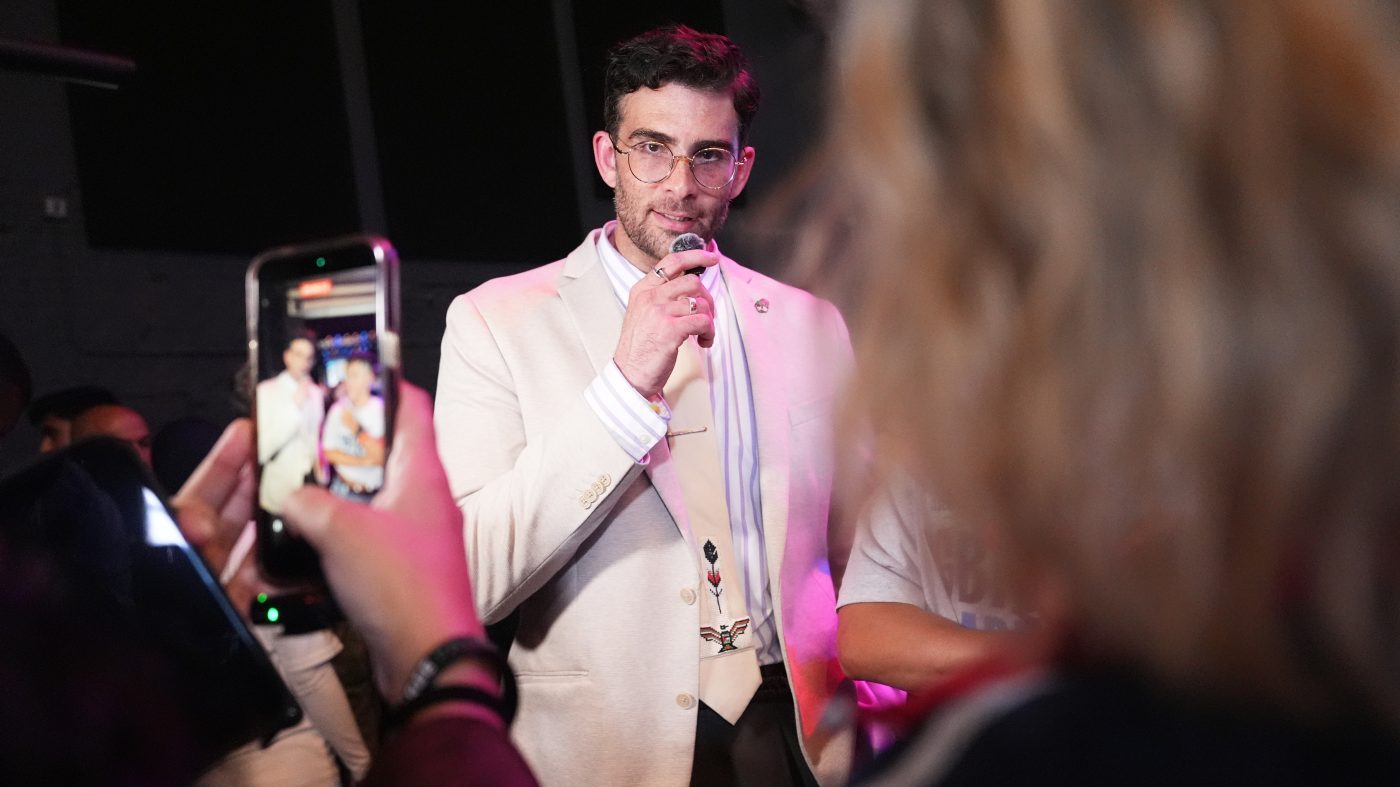
The political landscape is increasingly shaped by online personalities, and few embody that shift more than Hasan Piker. The Twitch streamer, who identifies as a socialist, threw his weight behind Abdul El-Sayed in Michigan's Democratic Senate primary, a move that helped the progressive candidate edge out moderate Rep. Haley Stevens by a razor-thin margin. The race wasn't called until Wednesday morning, and the fallout has exposed deep fissures within the Democratic Party over how to engage with the digital left.
Piker's involvement drew sharp rebukes from party establishment figures. Democratic strategist James Carville, known for his blunt assessments, declared on Fox News that he would not share a party with Piker. State Sen. Mallory McMorrow compared the streamer to far-right provocateur Nick Fuentes, while Matt Bennett of the center-left Third Way called El-Sayed a "disgrace to the Democratic Party." The criticism underscores a broader anxiety about the influence of online political figures, who command massive audiences but often operate outside traditional party structures.
The tension is not new. Piker has long been a polarizing figure, celebrated by young progressives for his unapologetic leftist takes and criticized by moderates for what they see as divisive rhetoric. His endorsement of El-Sayed, which included a joint appearance at a Michigan State University rally in April, was a strategic move to mobilize young voters. It worked, but it also galvanized opposition from those who fear the party is veering too far left.
This clash comes as Gen Z increasingly turns to digital platforms for political information. According to a 2025 Pew Research Center report, 76 percent of Americans aged 18 to 29 get news from social media, and 31 percent prefer these platforms over traditional outlets like television or print. For many young voters, Piker's livestreams are as influential as cable news segments, if not more so.
The Democratic Party's struggle to navigate this new media landscape is evident in recent debates over its ideological direction. As Sanders and Carville clash over the party's leftward shift, the Michigan primary serves as a case study in how online personalities can reshape electoral outcomes. Some Democrats, like Sen. Chris Van Hollen, argue that the party should welcome socialists rather than alienate them, while others insist that embracing figures like Piker risks alienating moderate voters.
The broader context is a generation that is both politically engaged and economically precarious. The Federal Reserve's 2025 Survey of Household Economics and Decisionmaking found that 49 percent of adults under 30 live at home, a 12-point jump from 2019. Another 47 percent received financial help from outside their households. These economic realities shape Gen Z's political priorities, making online voices like Piker's resonate more deeply than traditional party messaging.
As the general election approaches, El-Sayed will face former Rep. Mike Rogers, and the Democratic Party must decide whether to embrace the energy Piker represents or distance itself. The outcome in Michigan could signal whether the party's future lies in the hands of its digital vanguard or its institutional base. For now, Piker's influence shows no signs of waning, and the debate over his role is far from settled.