Tennessee voters headed to the polls Thursday to settle contentious gubernatorial primaries in both parties, setting the stage for the November general election in a state that has not elected a Democratic governor in over a decade.
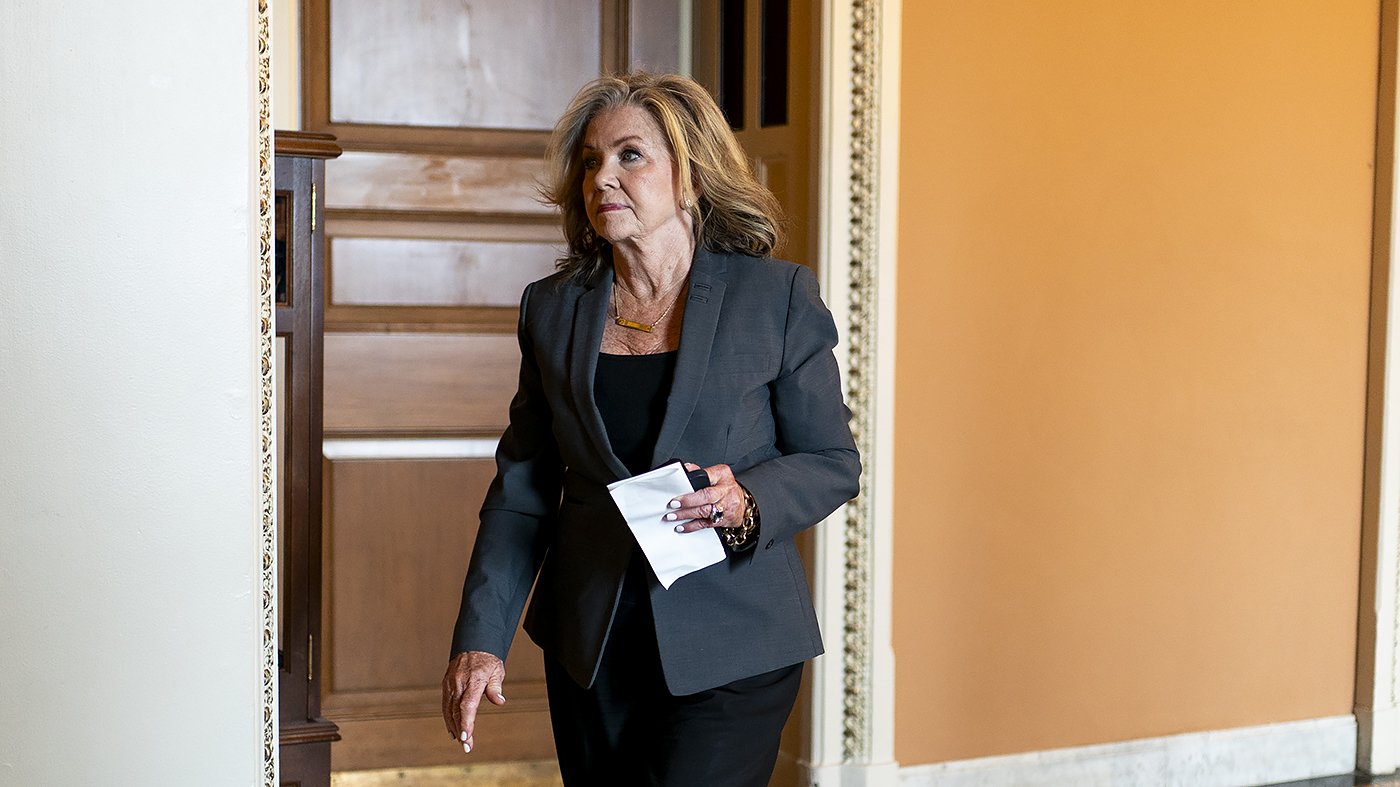
In the Republican contest, Sen. Marsha Blackburn, a national conservative figure, faces four-term Rep. John Rose, whose district covers a swath of Middle Tennessee including parts of Nashville. Blackburn has long been seen as the front-runner, but recent surveys indicate Rose may be closing the gap, making the outcome less predictable than initially assumed.
Notably, former President Donald Trump has refrained from endorsing in this primary, telling Tennessee's congressional delegation in June that he would stay neutral. That decision has left the race without a clear national imprimatur, allowing local dynamics and candidate messaging to take center stage.
Blackburn has emphasized her Senate record and national profile, while Rose has positioned himself as a conservative businessman with deep ties to the state's agricultural and small-business communities. Both have traded barbs over who is the true Trump-aligned candidate, though the former president's silence has muted that line of attack.
The Democratic field is crowded but less prominent, featuring Memphis City Council member Jerri Green, museum president Carnita Atwater, pastor Kevin Lee McCants, businessman Tim Cyr, and musician Adam Kurtz. None have held statewide office, and the eventual nominee will face an uphill battle in a state where Republicans dominate every level of government.
Polls close at 8 p.m. EDT, with results expected to trickle in shortly after. The race has drawn attention beyond Tennessee, as it offers a test of Republican voter preferences in a post-Trump era, especially in a state that has seen redistricting shakeups that could influence turnout.
Political analysts note that the primary's outcome could have implications for the 2026 midterms, with both candidates vying to energize the GOP base. The winner will face the Democratic nominee in November, but the Republican nominee is widely expected to prevail in the general election.
Meanwhile, in other states, similar intra-party battles are unfolding, such as Bernie Sanders' decision to stay out of Wisconsin's governor race, and Michigan's primary voting glitch that was quickly resolved. These races highlight the broader national trend of contested primaries and the influence (or lack thereof) of key party figures.
As Tennessee awaits its results, both campaigns have urged supporters to remain vigilant at the polls. The state's election officials have reported no major issues, though turnout is expected to be significant given the competitive nature of the GOP contest.