Violent crime rates have fallen in Washington and across most U.S. cities, a trend that offers some relief. Yet every shooting leaves victims, including, earlier this month, a friend and former colleague of mine who was shot while biking home in the District of Columbia.
For a decade, national conversations about reducing violence have centered on policing tactics, community intervention programs, sentencing reforms, and gun laws. Missing from that debate is a critical component: forensic science. When a shooting occurs, the public expects swift answers—who did it, how it connects to other crimes, and what evidence holds up in court. Those answers rely heavily on forensic analysis.
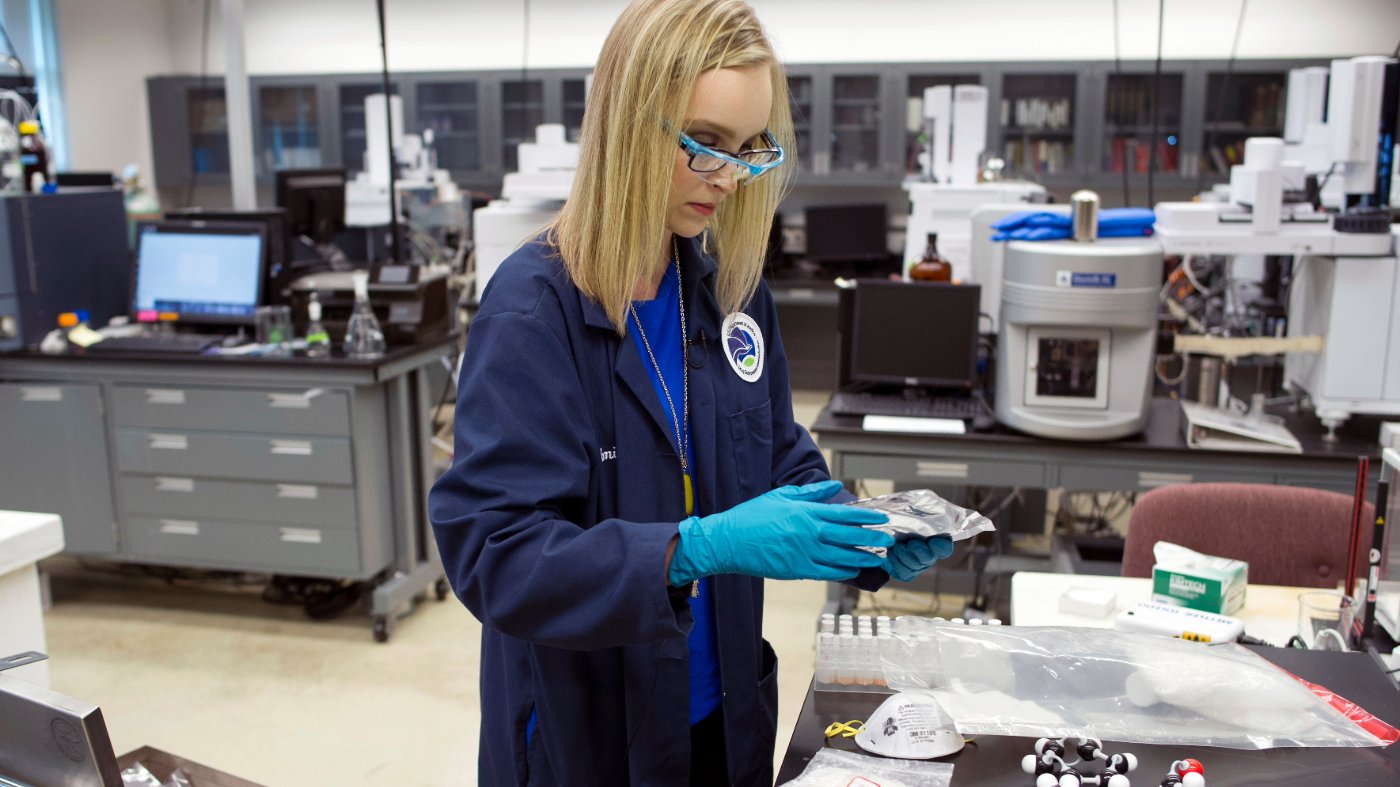
America's forensic capabilities have advanced significantly, thanks largely to federal research investments. These funds have improved DNA testing, enabled recovery of evidence from degraded samples, strengthened the scientific basis of disciplines often challenged in court, and pushed forward tools like high-resolution 3D ballistic imaging. The National Institute of Justice (NIJ), the research arm of the Department of Justice, has been the primary federal funder of such work, supporting improvements in firearm and toolmark analysis and enhancing data sharing through systems like the National Integrated Ballistic Information Network, which helps link shootings across jurisdictions.
Since 2009, NIJ has invested over $300 million in forensic science R&D, funding hundreds of projects. These advances were not accidental; they resulted from sustained federal commitment. But that commitment is eroding. According to the American Statistical Association, NIJ's forensic research budget has fallen from a peak of $30 million in 2015 to just $13.6 million in 2024.
This decline is alarming because NIJ remains the largest federal source of forensic research grants. As the agency competes for limited resources, it struggles to support the very science that underpins public trust in the justice system. Solving more murders, identifying shooters, exonerating the innocent—all depend on robust forensic research. The benefits are immense, yet funding is shrinking.
During my tenure as NIJ director, I faced tough choices about sustaining these investments. Supporting doctoral fellowships and workforce development often meant cutting elsewhere. That may be prudent budgeting, but it is not a strategy for the future.
The science behind justice rarely makes headlines. Most people only encounter it through TV crime dramas. But every DNA match, every ballistic link, every identified missing person, and every prevented wrongful conviction is the product of years of scientific discovery. If we want a faster, fairer, and more accurate criminal justice system, we cannot wait for the next tragedy to invest in the science that makes justice possible.
Nancy La Vigne is dean of Rutgers School of Criminal Justice and former director of the National Institute of Justice.