Republican lawmakers are openly challenging President Trump's decision to cancel nearly $1 billion in federal appropriations, igniting a fresh intra-party confrontation just as the GOP braces for a contentious government funding cycle. The administration announced Friday it would invoke a budget mechanism known as a "pocket rescission" to pull back money from a range of programs, including grants under the Department of Health and Human Services that support minority students, refugee resettlement, and unaccompanied migrant children. Because the action comes less than 45 days before the fiscal year ends, the funds will remain frozen through year's end regardless of any congressional response.
The move threatens to further complicate the already fraught appropriations process, which is deadlocked over defense versus domestic spending. Whether Congress can pass a regular funding package this winter hinges largely on the outcome of the midterm elections. The White House defends the cuts as necessary to root out waste and fraud, arguing that some refugee-related funds are no longer needed given the drop in illegal border crossings.
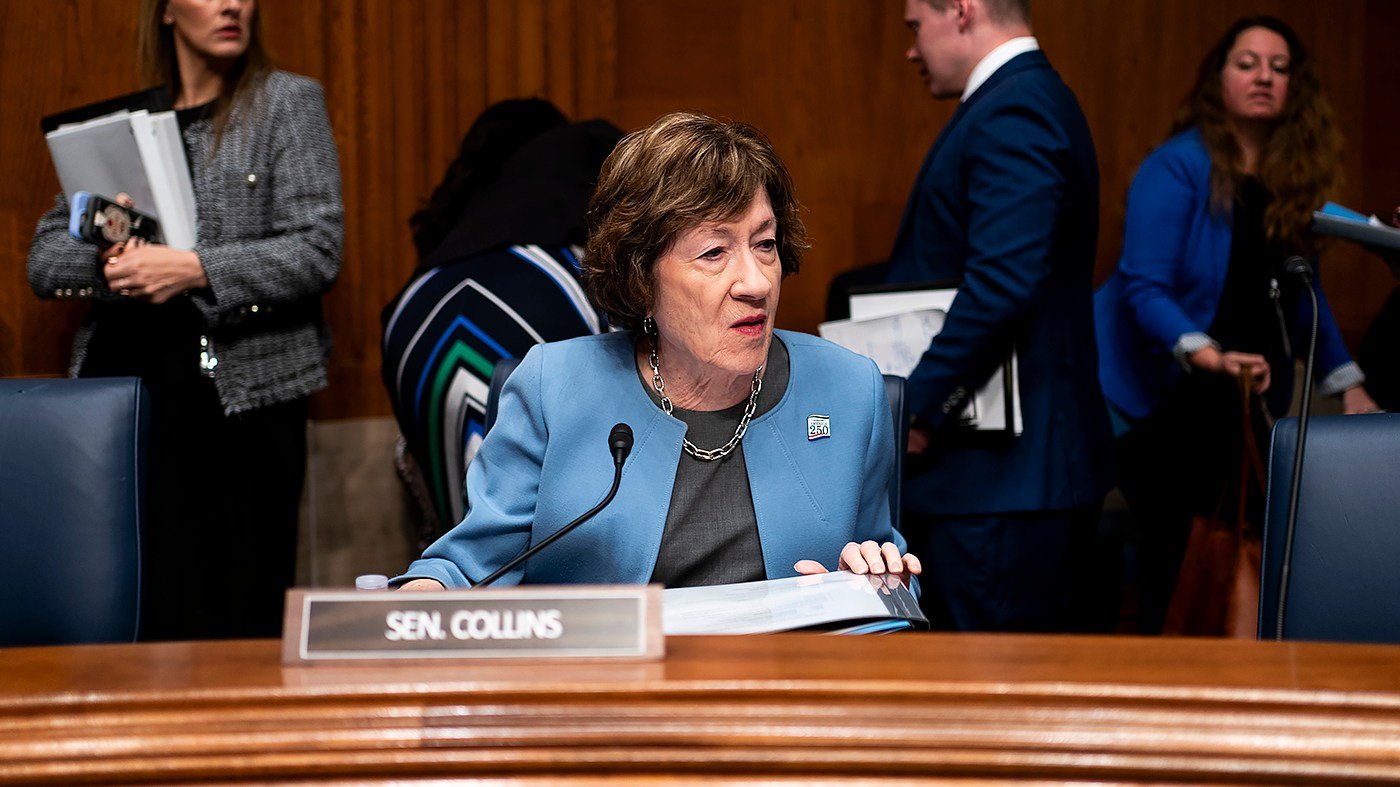
But Republicans on the Appropriations committees, who traditionally guard Congress's power of the purse, are furious. Sen. Susan Collins (R-Maine), chair of the Senate Appropriations Committee, issued a sharp rebuke Friday, calling the action "the most recent attempt by this Office of Management and Budget (OMB) to undermine Congress's Constitutional power of the purse." She accused OMB of deliberately withholding funds for months to engineer an "unlawful cancellation" of appropriations that were passed with bipartisan support and signed into law. "Not only is the delay itself an impoundment that was not reported to Congress, but also it is a usurpation of Congress's appropriations powers," Collins said. "OMB is an agency of the executive branch. It does not get to decide which programs are worth funding."
Senate Majority Leader John Thune (R-S.D.) stopped short of declaring the move unlawful but acknowledged the legal concerns. "I think as an appropriator, she feels strongly that these are decisions made by appropriators, and that the administration doesn't have this authority," Thune said. "That again is something the courts probably decide." He noted that while some may agree with the substance of the cuts, "the process by which they did it is one that is going to be, I assume, subject to a lot of discussion and probably some litigation."
Collins said she plans to fight the rescissions, telling reporters Monday that options include inserting language into the next appropriations bills to prevent similar actions or pursuing legal recourse. Sen. Lisa Murkowski (R-Alaska), also an appropriator, argued that Congress needs a more permanent fix. She floated a long-term reform of the Impoundment Control Act of 1974, which was designed to restrain presidential impoundments but has effectively granted more leeway through rescissions. "I think we need more clarity to it," Murkowski said. "It's something that when the OMB director first came in, he said he doesn't think it's constitutional. So we've got a debate lined up already between what he thinks he is able to do, and what we think he is able to do. So maybe we should clarify that confusion, probably not a bad idea."
Sen. Mike Rounds (R-S.D.), another appropriator, called the rescission move "wrong," warning it would gum up the regular funding process, which is already at a partisan stalemate. He stressed that a smooth appropriations process is critical because Republicans and Trump want to boost defense spending amid the war with Iran. "To have OMB step in like this, I think is going to cause problems," Rounds told reporters Monday. "We're looking at a substantial increase being proposed for defense needs that we've got to get through, and it's going to make it very hard for us to actually get an outcome in the next appropriations bill because if it was me and I make a deal on things that are important to me, and OMB has the ability just to decide they'll only take part of the deal, it does not bode well for actually getting a fair appropriations process in the future."
Rep. Don Bacon (R-Neb.), a frequent administration critic, said "by law, the Administration must request rescissions through its Congress." He added, "His team always push the norms. The Court will rule against and then he'll bash the Supreme Court again." The Hill reached out to House GOP appropriators for comment.
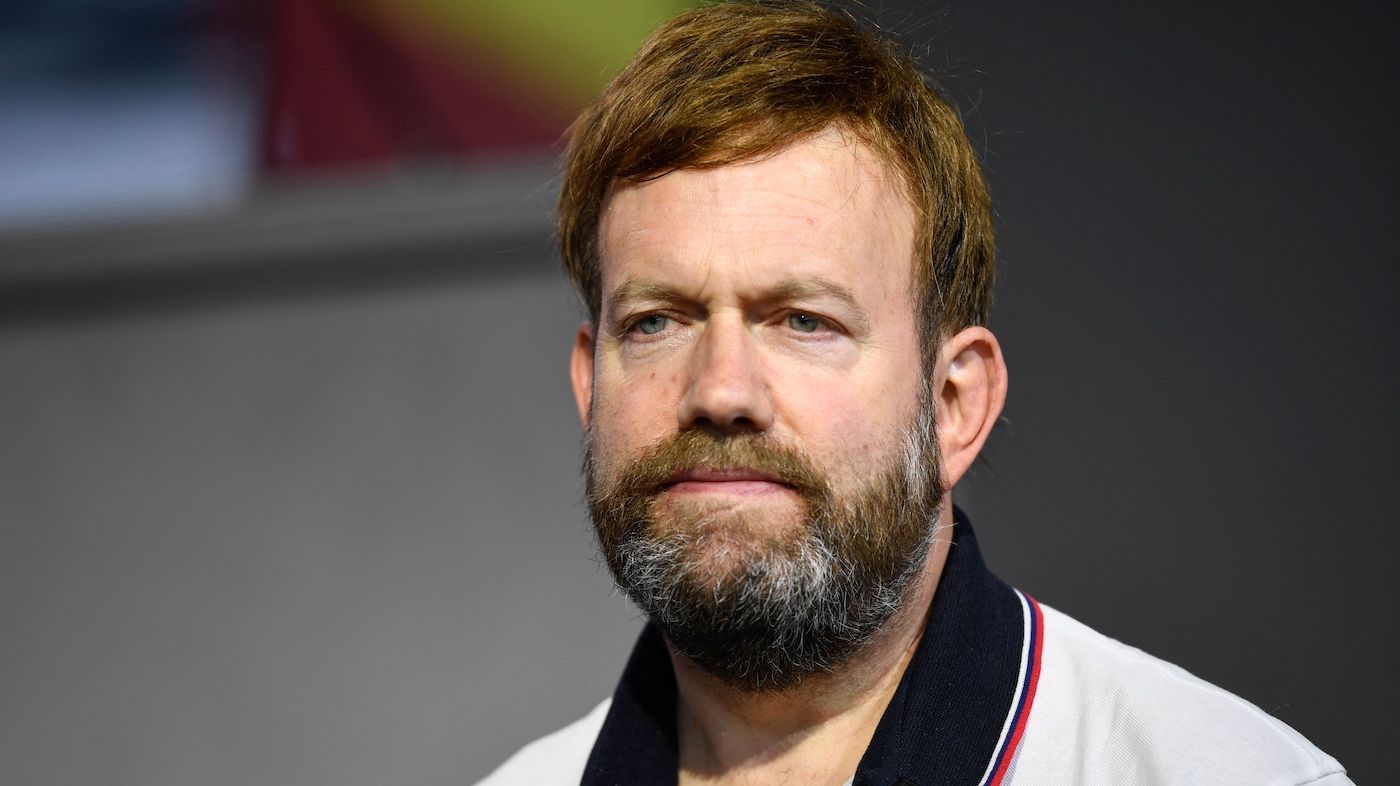
Some conservatives, particularly in the House, have cheered the move, echoing their support for Trump's earlier attempts to slash foreign aid. But the backlash from Republican appropriators signals a deepening rift over executive overreach, a theme that could resonate in the midterm campaigns. As pollster Frank Luntz has warned, Trump's aggressive tactics may energize his base but risk alienating swing voters concerned about institutional norms.
The standoff also intersects with broader legal battles over presidential authority. In a separate arena, special counsel Jack Smith has defended his prosecutions of Trump, warning of a rule-of-law crisis—a parallel that underscores the high stakes of the funding fight. Meanwhile, the administration's use of emergency powers has drawn scrutiny, with small businesses challenging tariff justifications in court, signaling a pattern of legal pushback against executive actions.
As the fiscal year-end approaches, the clash over the rescission is likely to intensify, with the possibility of a government shutdown looming. The outcome will test whether Congress can assert its constitutional authority or whether the executive branch will continue to stretch its powers, a question that may ultimately be settled by the courts.