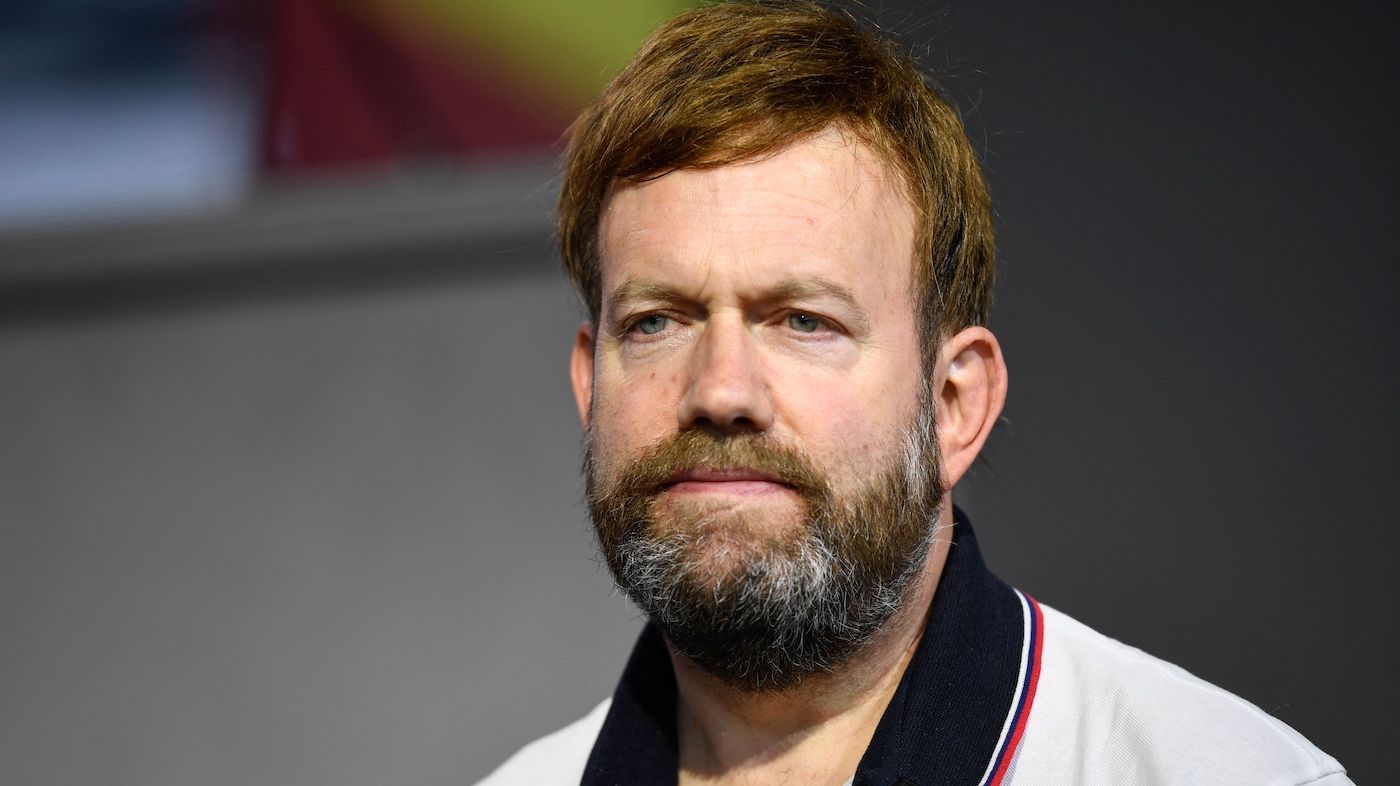
Republican pollster Frank Luntz on Monday described President Trump's midterm election strategy as "dangerous," warning that the party is navigating treacherous political terrain with just weeks before Election Day.
Speaking on CNN's "This Morning" with Audie Cornish, Luntz acknowledged the historical headwinds facing the president's party. "There's always been a historical advantage to the party out of power in the midterms, particularly in the first midterms, and we see that now," he said. "There's an energy challenge for GOP voters, and that's what the president is trying to address."
Trump has repeatedly urged Republicans to act as though he is on the ballot in November, a tactic designed to boost turnout among his most loyal supporters. Luntz noted that when Trump is actually running, his base shows up, citing the 2016 and 2024 elections. But in 2018 and even in 2022 under President Biden, that enthusiasm was missing. "That's what he's trying to do," Luntz explained.
However, the strategy carries significant risk. According to a Decision Desk HQ polling average, Trump's approval rating stood at just 38.3 percent on Tuesday morning, with disapproval at 59.8 percent. The president and his party are also saddled with an unpopular Iran conflict, persistent cost-of-living concerns, and criticism over immigration enforcement tactics.
"His numbers, his support is not as strong today as it has been in the past, so it's a very dangerous strategy," Luntz said. "But he needs his people to vote in a place like Texas."
Earlier this month, at the Republican National Committee's first midterm convention in Dallas, Trump told the crowd, "I'm asking you to pretend that I'm on the ballot." He added, "Just one more time, because if we lose, you're going to lose your border, you're going to lose your tax cuts. You're going to lose your safety and security. You're going to lose your wealth."
The White House has not yet responded to a request for comment from The Hill.
With the president's approval ratings underwater and the political landscape favoring Democrats, the effectiveness of Trump's appeal to his base could prove critical. Some analysts suggest that Trump's aggressive foreign policy rhetoric may not resonate with swing voters, while his trade policies and tariff battles are drawing legal challenges from small businesses, adding to the turmoil.
As the midterms approach, the GOP's ability to energize its base without alienating independents remains an open question. Luntz's warning underscores the delicate balance Trump must strike if Republicans are to retain control of Congress.