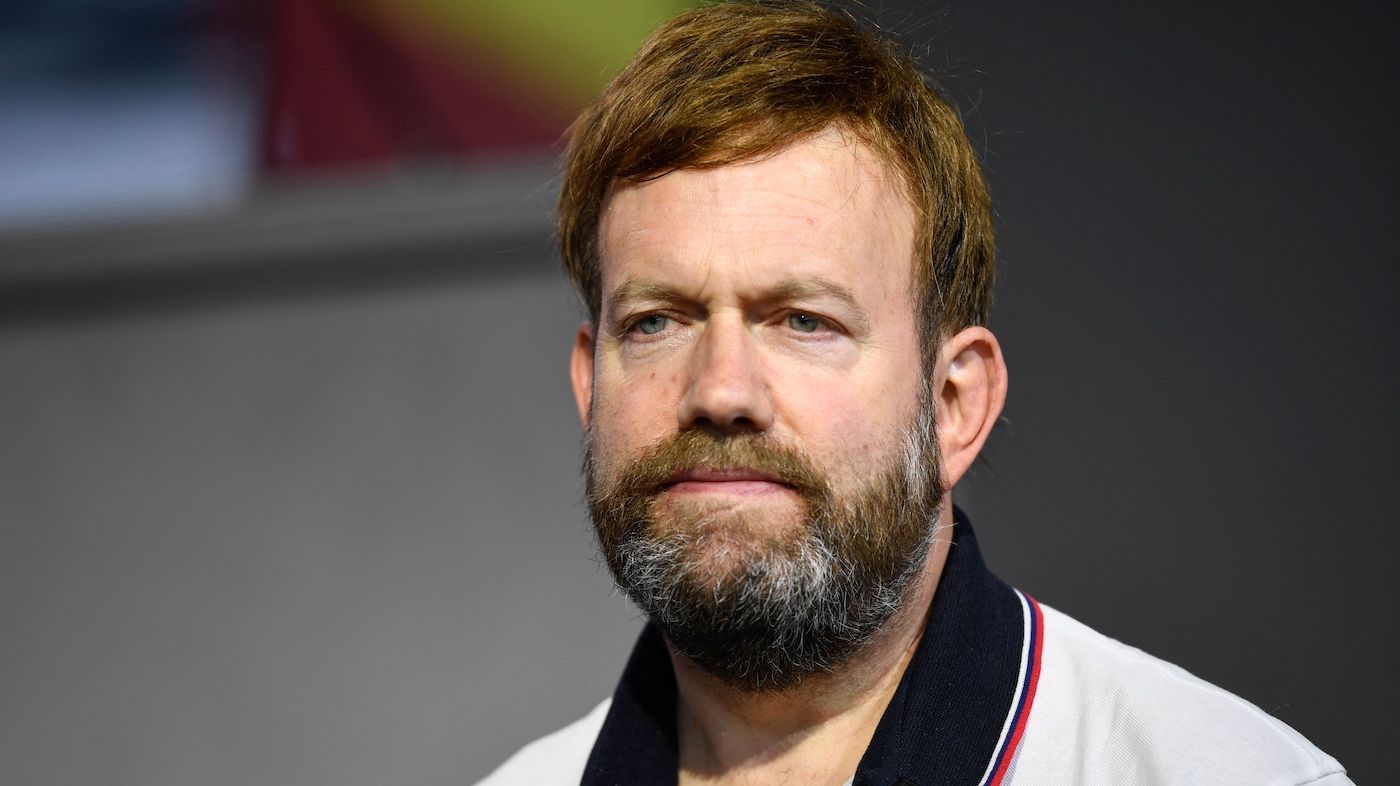
Former special counsel Jack Smith appeared before the Senate Judiciary Committee on Tuesday, facing pointed questions from lawmakers about his decision to bring federal charges against President Trump. It was Smith's second congressional appearance, and his prepared remarks, obtained by The Hill, underscored that the evidence tied to Trump's own conduct—not political pressure—drove the indictments in the Mar-a-Lago documents case and the January 6 investigation.
The hearing, which began mid-morning, is part of a broader Republican-led scrutiny of Smith's work. GOP senators have accused the former prosecutor of weaponizing the Justice Department, while Democrats have rallied to his defense, framing the prosecutions as a necessary check on executive overreach. Smith, who served as special counsel from 2022 to 2024, has maintained that his team followed the facts and the law.
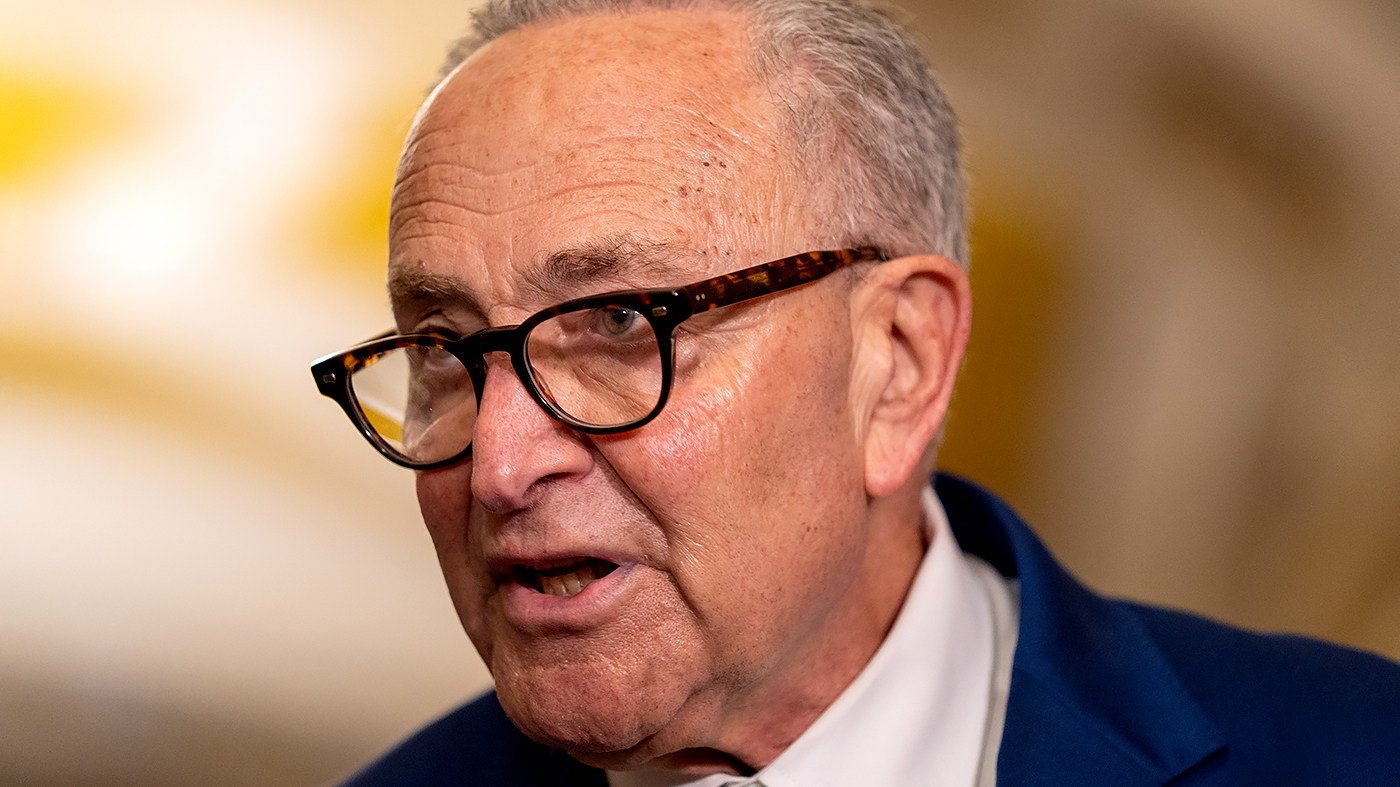
As the Senate session unfolded, the administration pivoted to a dual-track agenda: health policy and technology. The Make America Healthy Again (MAHA) summit convened in Washington, D.C., drawing Health and Human Services Secretary Robert F. Kennedy Jr., Vice President Vance, and former heavyweight boxing champion Mike Tyson as featured speakers. The event is a centerpiece of the administration's push to address chronic disease and reshape federal health guidelines.
Vance previewed the summit on social media, praising Kennedy's leadership at HHS and promising announcements on future health initiatives. "Since January 2025, thanks to the work of @SecKennedy and the team over at @HHSGov, we have been fulfilling that promise to the American people," Vance wrote on X. "Tune in tomorrow to hear more about the great work being done, and what is coming in the future to secure a stronger nation full of healthier Americans."
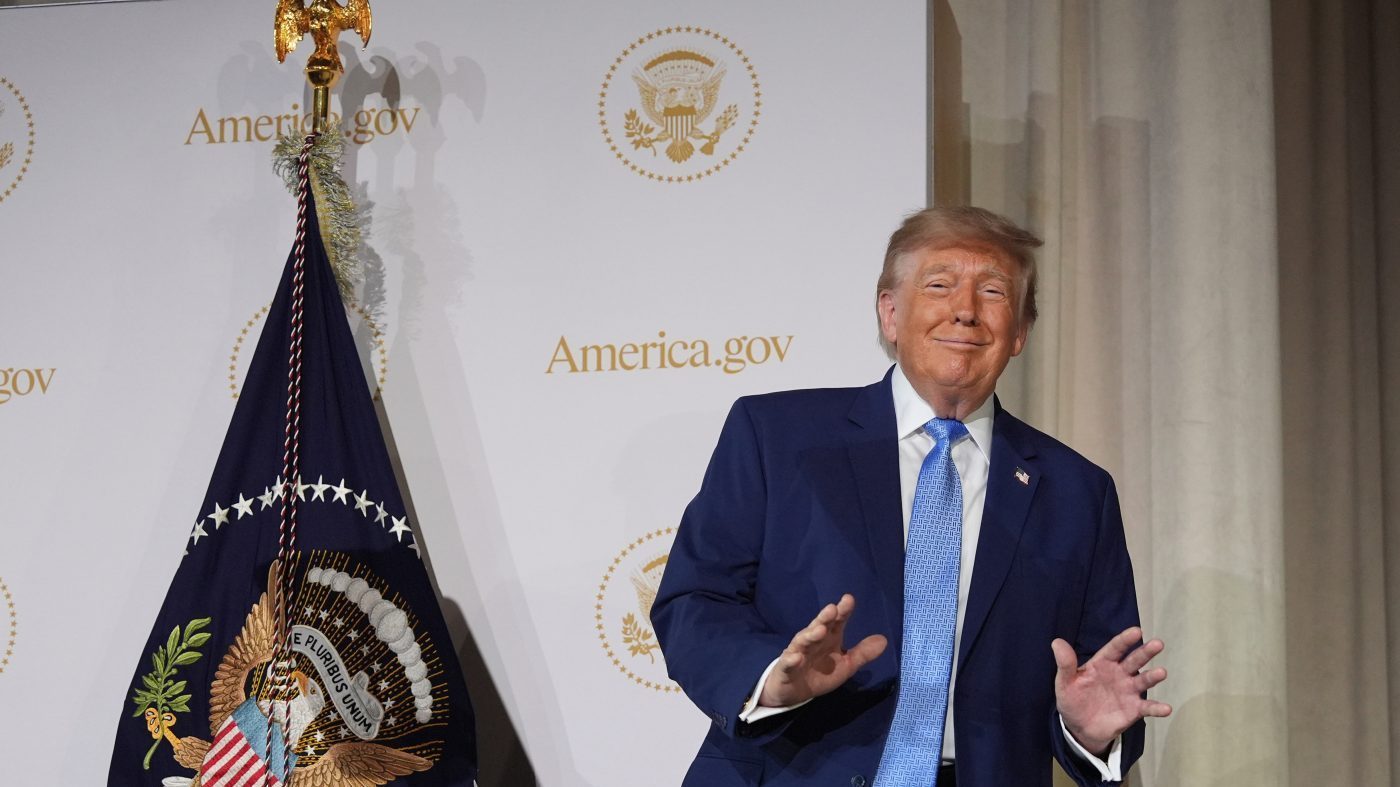
Meanwhile, President Trump used the morning to unveil America.gov, a new artificial intelligence platform designed to streamline access to federal services. The portal is part of Trump's broader deregulatory approach to AI, which has drawn criticism from lawmakers who fear unchecked development. Trump has embraced the concept of "Super Intelligence," a rebranded term for advanced AI, and has courted tech leaders like Anthropic CEO Dario Amodei, who dined at the White House on Sunday. Trump also discussed the technology with Chinese President Xi Jinping last week.
The juxtaposition of Smith's testimony and the administration's AI rollout highlights a day of competing narratives. On one hand, the Senate is examining the legal limits of presidential power; on the other, the White House is projecting a forward-looking agenda on innovation and health. For political observers, the dual focus underscores the administration's attempt to control the news cycle while facing ongoing legal and political battles.
Smith's testimony is expected to continue through the afternoon, with senators pressing him on the specifics of his investigative decisions. The former special counsel has defended his actions as legally sound, but critics argue that his prosecutions were politically motivated. The hearing could set the stage for further legislative action, including potential funding restrictions on special counsel investigations.
On the health front, the MAHA summit is part of a broader effort to reduce healthcare costs and improve outcomes, themes that resonate with voters ahead of the next election cycle. The administration has signaled that affordability will be a key talking point, with Kennedy expected to outline new proposals for drug pricing and preventive care.
As the day progresses, the intersection of these issues—legal accountability, technological ambition, and public health—will likely dominate political discourse. The Senate hearing and the administration's events offer a snapshot of a presidency navigating multiple fronts, from courtroom battles to policy rollouts.